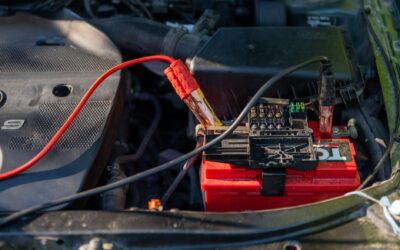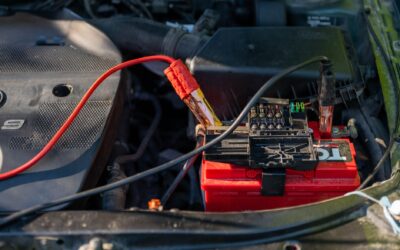
Yes, you can jump start a completely dead battery in most cases, but the success of the attempt depends on why the battery died and how long it has been dead. A battery that still holds some residual charge and hasn’t developed internal short circuits or frozen electrolyte usually responds well to a proper jump start. However, if the battery has been sitting dead for weeks, has visible damage, or is frozen, a jump start may not work, and attempting one could be dangerous.
What Makes a Battery Completely Dead?
A fully discharged battery has a voltage below 12.0 volts; at 11.8 volts or lower it is considered completely dead. At this point the lead sulfate crystals that form during normal discharge can harden into a permanent layer on the plates, a process called sulfation. Once sulfation becomes severe, the battery can no longer accept or hold a charge, and jump starting it will only power the vehicle temporarily.
Temperature also plays a role. In freezing weather, a completely dead battery can freeze because the electrolyte becomes more dilute. A frozen battery cannot be jump started safely and must be thawed and tested first. Internal physical damage, such as a shorted cell from vibration or age, also makes jump starting impossible.
How to Jump Start a Completely Dead Battery Safely
Before connecting jumper cables, check the battery for cracks, leaks, or swelling. If any damage is visible, do not attempt a jump start. Ensure the donor vehicle has a battery of similar voltage (typically 12V) and that both vehicles are turned off with the keys removed.
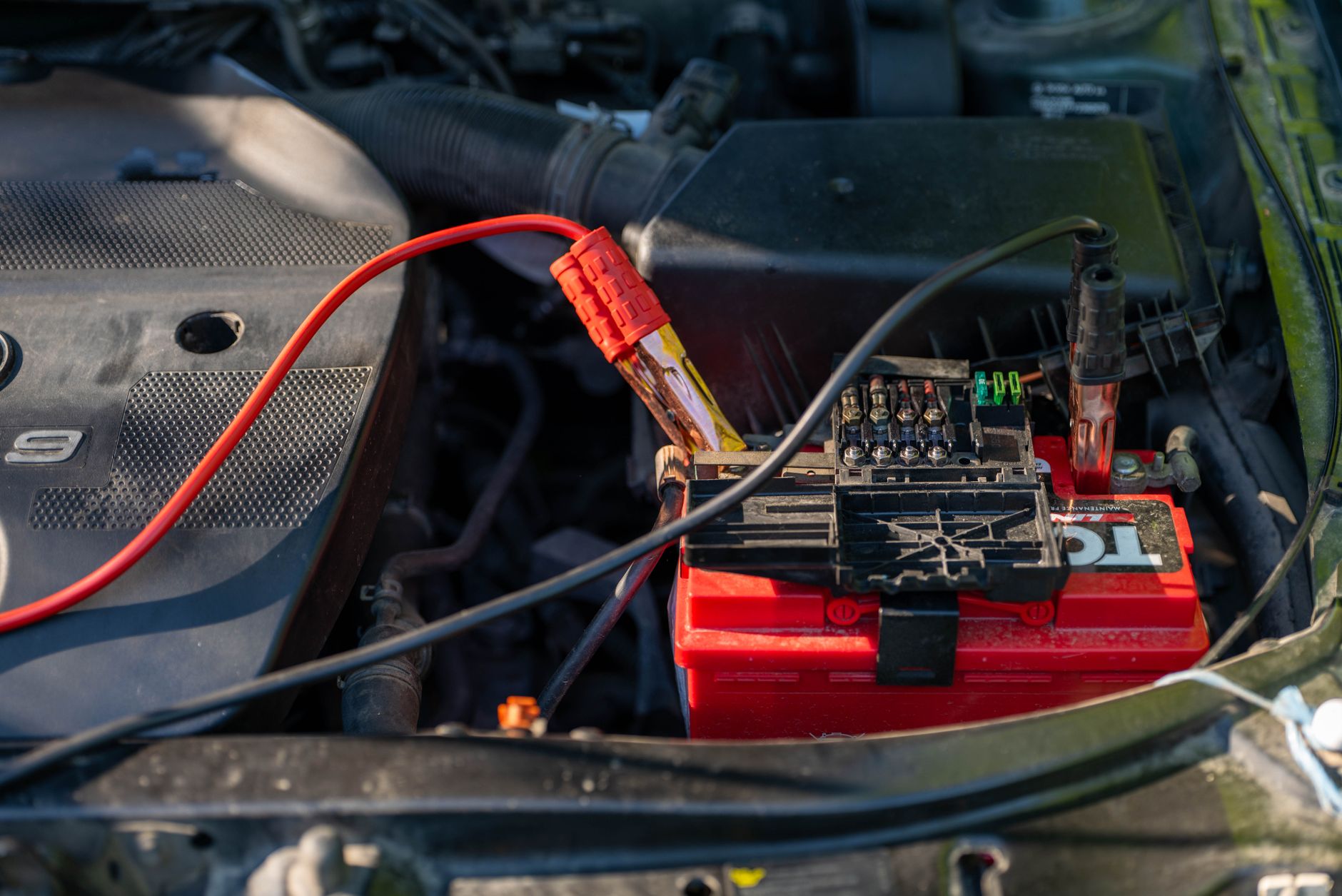
Connect the positive clamp (red) to the dead battery’s positive terminal first, then the other red clamp to the donor battery’s positive terminal. Connect the black clamp to the donor battery’s negative terminal, and the final black clamp to an unpainted metal surface on the dead vehicle (not the battery negative). Start the donor vehicle and let it run for a few minutes to allow some charge to transfer. Then try starting the dead vehicle.
If the vehicle doesn’t start after several minutes, the battery may be too deeply discharged or internally damaged. Some modern vehicles with smart charging systems require a longer idle period (up to 30 minutes) or a battery charger rather than cables. If still no response, the battery likely needs replacement.
Reasons a Jump Start Might Not Work
Sulfation
As mentioned, sulfation occurs when a lead-acid battery sits discharged for extended periods. The crystals become so thick that they block chemical reactions. A battery left dead for more than a few days often cannot be revived by jump starting alone; it may need a desulfation charger or replacement.
Frozen Electrolyte
In subfreezing temperatures, a dead battery can freeze because the electrolyte has less sulfuring acid and more water. Jump starting a frozen battery may cause it to rupture or explode. Always inspect the battery for ice or bulging before connecting cables.
Internal Short Circuit
Old or damaged batteries can develop internal shorts where the plates touch. These prevent the battery from holding voltage. A jump start will still provide the starter with power briefly, but the battery won’t sustain the charge and the car may stall immediately after disconnecting cables.
Parasitic Drain
If the battery dies repeatedly, a parasitic drain from a device left on or a faulty component may be the cause. Jump starting will get you going, but you must fix the underlying drain to prevent the battery from dying again. This is a common issue covered in our article on why a car battery keeps dying overnight.
Alternator Failure
If the alternator isn’t charging the battery while the engine runs, a jump start will only provide enough power to start once. The car will then run on battery alone until it dies again. Use a multimeter to test the alternator output before assuming the battery is at fault. Our guide on how to test an alternator with a multimeter walks you through the steps.
What to Do When a Jump Start Fails
- Attempt the jump start procedure correctly, allowing longer idle time for the donor vehicle.
- Remove and fully charge the battery with a smart charger if possible; some chargers have a recondition mode for sulfated batteries.
- Test the battery with a multimeter or load tester; if voltage stays below 12.4 volts after charging, replace it.
- Check for parasitic drains or alternator issues if the battery repeatedly dies after a jump start.
- If the battery is three or more years old, consider replacing it preemptively.
If you’ve followed the steps above and the battery still won’t hold a charge, it likely needs replacement. For diagnosing the root cause, a multimeter is an essential tool. Read our guide on testing your alternator with a multimeter to rule out charging system problems before buying a new battery.
Frequently Asked Questions
Can you jump start a battery that is completely dead with no lights?
Yes, even if no interior or dashboard lights come on, the battery may still accept a charge. The lights require a minimal voltage, but the starter may still draw enough current if the battery has some residual capacity. However, if the battery is below 10 volts, jump starting may not work.
How long should you let a dead battery charge when jump starting?
Let the donor vehicle run for at least 5 to 10 minutes before attempting to start the dead car. For a completely dead battery, you may need to wait up to 30 minutes. If the dead vehicle doesn’t start after that, the battery likely needs replacement.
Is it safe to jump start a battery that is frozen?
No. Jump starting a frozen battery can cause it to explode or crack. Check the battery case for ice, bulging, or cracks. If the battery feels cold and firm, do not attempt a jump start. Thaw it indoors and charge it slowly with a smart charger before testing.
Can a completely dead battery be recharged without jumping?
Yes, a battery can often be recharged using a dedicated battery charger. This is safer and more effective than jump starting for deeply discharged batteries, especially those with sulfation. Some chargers have a desulfation mode that can restore some capacity.
Why does my car die immediately after a jump start?
This usually indicates a bad alternator or a serious parasitic drain. The battery provides initial power, but the alternator must keep it charged. If the alternator isn’t working, the car runs on battery alone and stalls once the battery depletes. Test your alternator with a multimeter to confirm.
Related Guides
- Best Jump Starter for 6.7 Cummins
- How Many Amps To Jump Start a Car
- How Long To Drive After Jump Start
Bottom Line
Jump starting a completely dead battery is often possible, but success hinges on the battery’s condition and the reason it died. If the jump fails, the cause is usually sulfation, freezing, or a failed alternator. For a thorough diagnosis, learn how to test your alternator with a multimeter before replacing the battery.