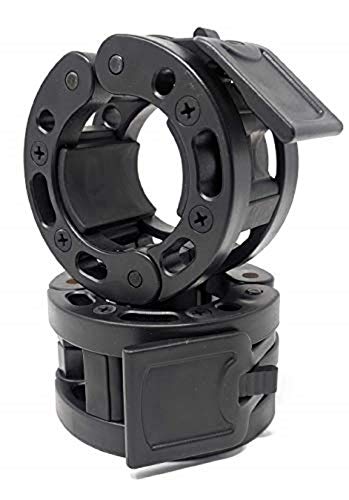
Picture this: you’ve just finished a heavy deadlift set, and you’re about to drop the barbell. With standard iron plates, that drop would send a jarring shock through the floor and a deafening clang through your entire house. If you’re training in a garage or a spare room, that’s a recipe for cracked concrete and annoyed neighbors. Bumper plates solve this problem by absorbing the impact, protecting your floor, your barbell, and your sanity. Whether you’re a beginner learning Olympic lifts or a seasoned lifter chasing new PRs, choosing the right bumper plates is essential for a safe and effective home gym.
But not all bumper plates are created equal. Some are made from recycled rubber that smells and wears quickly, while others feature precision-machined steel hubs that glide smoothly on the barbell. The best bumper plates offer a balance of durability, low bounce, and easy weight identification. In this guide, we’ll break down the top options from CAP and HULKFIT, covering everything from single plates to full sets, so you can equip your gym with confidence. If you’re also looking to build a complete home setup, check out our guide to the best weight plate sets for more comprehensive options.
Top Bumper Plates Compared


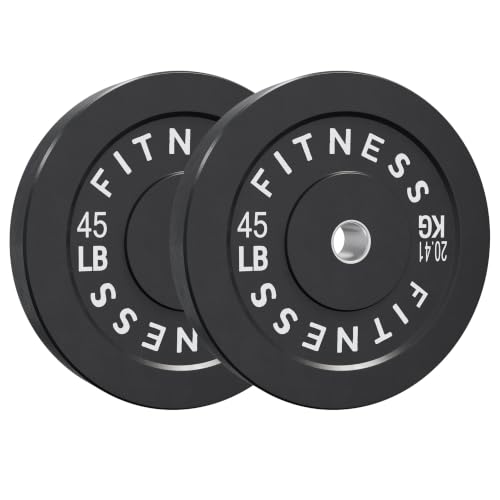


How to Choose the Best Bumper Plates
Before you hit the buy button, it’s important to understand what makes a bumper plate worth your investment. The right choice depends on your training style, your floor type, and your budget. Here are the key factors to evaluate.
Material and Durability
The material of a bumper plate determines how long it will last and how well it holds up to repeated drops. Virgin rubber is the gold standard because it’s dense, resilient, and doesn’t have the strong odor or brittleness of recycled rubber. Plates like the HULKFIT sets use 100% virgin rubber, which means they can withstand high-impact training without cracking or deforming.
CAP’s economy plates use a proprietary rubber blend that offers medium bounce and good durability for home use. While they might not be built for commercial gym abuse, they’re more than capable of handling regular garage workouts. If you plan to drop weights from overhead often, prioritize virgin rubber construction for longevity.
Hub Design and Barbell Fit
The center hole of a bumper plate needs to fit snugly on a standard 2-inch Olympic barbell sleeve. A loose fit can cause wobbling during lifts, which is both annoying and unsafe. Look for plates with a steel or stainless steel insert that’s precisely machined to maintain a secure grip.
The CAP economy plates feature a steel floating hub that allows for smooth loading and unloading. HULKFIT takes it a step further with a solid stainless steel ring that stays firmly in place, eliminating any wobble. If you’re doing Olympic lifts like cleans and snatches, a tight, stable fit is non-negotiable.
Bounce and Noise Control
No one wants a plate that bounces like a basketball after a drop, especially in a small home gym. Low-bounce plates are designed to absorb most of the impact and stay close to the floor, reducing the risk of injury and property damage. The HULKFIT plates are engineered for extreme drops with a low-bounce compound that minimizes rebound.
CAP’s medium-bounce blend offers a controlled rebound that’s suitable for most home training scenarios. If you live in an apartment or have neighbors close by, prioritize plates with lower bounce and quieter performance. Remember, the goal is to protect your floor and your ears, not to entertain the whole block.
Weight Range and Set Composition
Think about the exercises you’ll perform and the weights you’ll need. Beginners might start with a lighter set like the CAP 190lb set, while advanced lifters may require a full 260lb set to progress. Sets typically include pairs of 10, 15, 25, 35, and 45 lb plates, giving you flexibility for different lifts.
If you already have a barbell and just need to add weight gradually, individual plates like the CAP 45lb or HULKFIT 45lb pair are great options. Consider your current strength level and future goals. It’s often more cost-effective to buy a complete set upfront than to piecemeal plates later, but single plates allow for more customization.
Final Thoughts
Choosing the best bumper plates for your home gym comes down to your training needs, the quality of materials, and the fit on your barbell. For most lifters, the HULKFIT 2-Inch Olympic Rubber Weight Plates Sets offer unbeatable durability and low bounce, making them ideal for intense workouts. If you’re on a tighter budget or prefer single plates to build your set gradually, the CAP 45lb Economy Olympic Bumper Plate delivers reliable performance without breaking the bank. Whichever you choose, you’ll be investing in equipment that makes your training safer and more enjoyable.
Frequently Asked Questions
Are bumper plates worth it for home gyms?
Yes, bumper plates are definitely worth it if you plan to do Olympic lifts or drop weights from overhead. They protect your floor, your barbell, and your joints compared to iron plates. Plus, they’re quieter, which is a huge plus if you have neighbors or family at home.
What’s the difference between virgin rubber and recycled rubber bumper plates?
Virgin rubber is made from new materials, so it’s denser, more durable, and has less odor than recycled rubber. Recycled rubber is cheaper but can be less consistent and may break down faster with heavy use. For serious training, virgin rubber is worth the extra investment.
Can I use bumper plates with any barbell?
Bumper plates are designed for 2-inch Olympic barbells. If you have a standard 1-inch barbell, they won’t fit. Always check your barbell’s sleeve diameter before purchasing. Most home gym barbells are Olympic-sized, but it’s good to confirm.
How much weight should I start with as a beginner?
As a beginner, a set that includes 10, 15, 25, and 45 lb pairs gives you plenty of room to progress. Start with lighter weights to focus on form, then gradually add more as you get stronger. A 190lb or 260lb set is a solid foundation for most home gyms.