

If you’ve been scrolling through endless options for bringing red light therapy into your daily routine, you know the search can feel overwhelming. Maybe you want smoother skin, faster muscle recovery after workouts, or a simple way to unwind without booking a spa appointment. The good news: you don’t need a clinic or a luxury membership. Today’s at-home red light therapy devices are powerful, safe, and designed for real results. This guide cuts through the noise to help you choose the right panel or pad for your needs in 2026.
We’ve taken a close look at seven top-rated products from brands like Bestqool, hooga, and bonodave. Whether you’re targeting your face, knees, back, or full body, there’s a device here for you. For more background on how red light benefits skin, see our Best Red Light Therapy Device for Face in 2026 article.



Buying Guide
Wavelengths Matter: 660nm Red and 850nm Near-Infrared
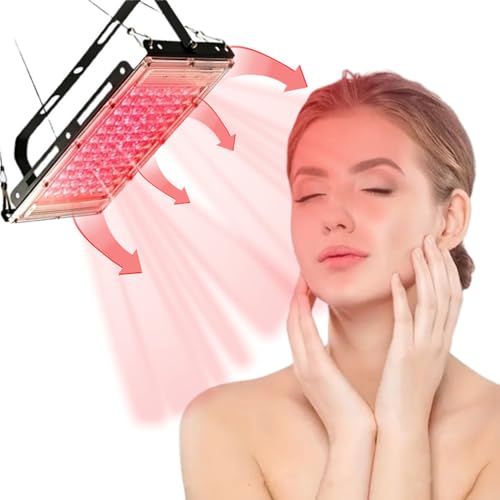
Most reputable at-home devices combine 660nm red light with 850nm near-infrared (NIR). Red light targets the skin surface, supporting collagen production and reducing fine lines. NIR penetrates deeper to reach muscles and joints, aiding recovery and relaxation. All products in our lineup offer both wavelengths, but some allow you to switch between them. For targeted facial care, a device with adjustable modes like the Red Light Therapy for Face and Body lets you choose full light or pulse modes for gentler treatment.
Coverage Area and Form Factor
Think about where you will use the device most. Large panels, like the Red Light Therapy for Body Face Infrared Light with 486 LEDs, cover the whole torso at once. Smaller pads, such as the bonodave wrap, are flexible and wrap around knees, shoulders, or hands. If you prefer hands-free use while working or relaxing, a panel with an adjustable stand or gooseneck is ideal. For travel or compact spaces, a portable pad or small panel works well.
Power and Irradiance: What’s Enough?
Irradiance (measured in mW/cm²) determines how much light energy reaches your tissues. Higher irradiance means shorter session times. The Hooga HG200 delivers over 90 mW/cm² at 6 inches, making it efficient for quick daily use. The BestQool BQ60 offers 95.6 mW/cm² at 3 inches. For deep muscle work, a higher-power panel may be worth the investment. If you’re new to therapy, a lower-power pad or panel with adjustable intensity levels (like the GMOWNW model) lets you start gently and increase gradually. For a broader look at light therapy devices, check our Best Red Light Therapy Device for Glowing Skin in 2026 guide.
Extra Features That Make a Difference
Timers, remote controls, and adjustable brightness add convenience. Most panels include a built-in timer (20 to 60 minutes) and auto shut-off for safety. A remote control is handy when the device is placed across the room. Pulse modes (like 10Hz or 40Hz) can provide a gentler treatment for sensitive skin. Cooling fans are common in larger panels to prevent overheating. If you plan to use the device while reading or watching TV, go for a silent or near-silent fan.
Final Thoughts
Choosing the best at-home red light therapy device comes down to your primary goal and lifestyle. If you want full-body coverage with high power and a generous treatment area, the Red Light Therapy for Body Face Infrared Light combines 486 LEDs, five brightness levels, and a flexible gooseneck for hands-free targeting. For targeted relief on joints or smaller areas, the bonodave Red Light Therapy Pad for Body Back Knee wraps comfortably around knees, shoulders, or feet, making it ideal for post-workout recovery or everyday aches. Both are backed by solid customer feedback and offer real value without breaking the bank.
Frequently Asked Questions
How often should I use a red light therapy device at home?
Most manufacturers recommend 5 to 6 sessions per week, each lasting 10 to 30 minutes. Consistency is more important than session length. Start with shorter sessions and gradually increase as your skin adjusts. For specific guidance, see the instruction manual of your chosen device.
Can I use red light therapy on my face every day?
Yes, daily use is safe for most people. The 660nm red light supports collagen production without damaging the skin. Just always wear the provided goggles to protect your eyes. For facial treatments, a panel with both 660nm and 850nm light is effective, but you may prefer a mode with reduced NIR to avoid heating.
What is the difference between red light and near-infrared light?
Red light (660nm) primarily affects the skin’s surface, improving texture, tone, and fine lines. Near-infrared (850nm) penetrates deeper into muscles and joints, promoting recovery and reducing inflammation. Most devices combine both for comprehensive benefits. If you are targeting deep tissue, choose a panel with strong NIR output.
Are these devices safe for people with sensitive skin?
Yes, red light therapy is non-invasive and generally well tolerated. Devices with pulse modes (like 10Hz or 40Hz) or adjustable brightness allow you to start with gentler settings. Always follow the usage guide and keep sessions short until your skin gets accustomed. For more about safe usage, read our Best LED Facial Wand for Glowing Skin in 2026 article.


