You have spent hours washing and waxing your car, only to notice stubborn swirl marks and dull patches under the sunlight. A cordless car polisher can transform your paintwork from lackluster to mirror-like without the hassle of tangled cords or limited outlets. In this guide, we evaluate the top models for 2026 to help you choose the right tool for your detailing projects, whether you are a weekend enthusiast or a seasoned professional. For more insight into paint protection, check out our review of the best ceramic spray coatings.





Buying Guide: What to Look for in a Cordless Car Polisher
Battery and Motor Performance
The heart of any cordless polisher is its battery and motor combination. Brushless motors offer longer runtime and greater durability than brushed alternatives, and they require no carbon brush replacements. Look for models with at least two batteries so you can keep working while one charges. Higher voltage batteries (20V or 21V) generally provide more consistent power under load. For a deeper look at protecting your paint, see our guide to the best ceramic coatings.
Speed Control and Versatility
Variable speed settings let you adjust the polishing action for different tasks. Low speeds (around 2000 RPM) are ideal for applying wax or sealants, while higher speeds (up to 6000 RPM) tackle paint correction and scratch removal. A polisher with 5 to 8 speed options gives you fine control. Some models also include a lock-on switch for continuous operation, reducing fatigue during long sessions.
Pad Size and Orbit Type
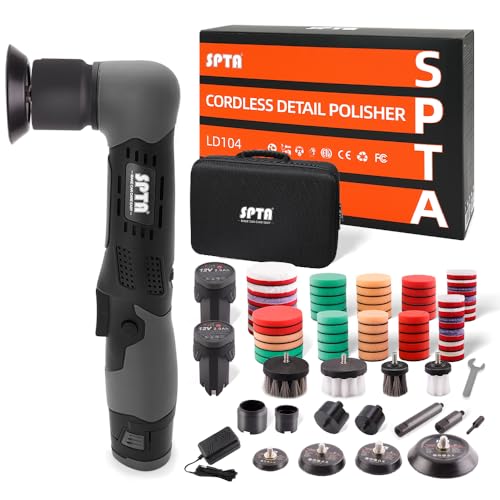
Dual-action (DA) polishers use a random orbital motion that is safer for beginners because it reduces the risk of burning through paint. Rotary polishers offer more cutting power but require experience. Pad size matters: 5 to 6 inch backing plates are standard for most cars, while mini polishers with smaller pads excel in tight areas like emblems and bumpers. For more on paint correction, read our top car scratch remover picks.
Ergonomics and Build Quality
A lightweight polisher (under 4 pounds) reduces arm fatigue during extended use. Look for rubberized grips and well-balanced designs. Models with a side handle offer better control for two-handed operation. Durable construction, such as high-impact ABS housings, ensures the tool withstands falls and daily wear. Also consider the included accessories: extra pads, bonnets, and carrying cases add value.
Final Thoughts
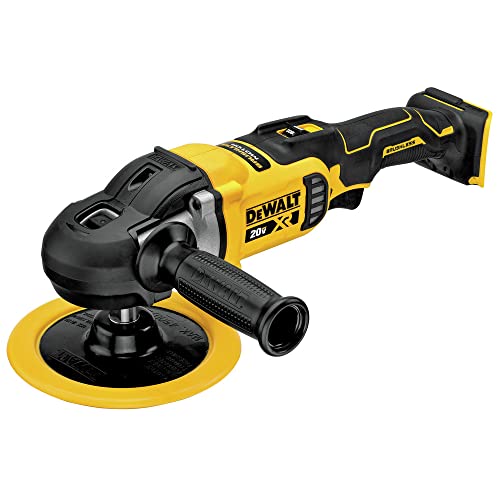
Choosing the right cordless car polisher depends on your skill level and the results you want. For beginners seeking an affordable, easy-to-use dual-action machine, the BATOCA S3 Cordless Car Polishers and Buffers delivers consistent performance with its 5mm orbit and two batteries. Professionals who need raw power and precision will appreciate the DEWALT 20V MAX* XR Cordless Polisher, Rotary, which offers variable speed from 800 to 2200 RPM and a brushless motor for extended runtime. Whichever model you choose, pairing it with a quality paint sealant or ceramic coating will help maintain that showroom finish longer. Explore our recommendations for car paint sealants to complete your detailing arsenal.
Frequently Asked Questions
What is the difference between a dual-action and a rotary polisher?
A dual-action (DA) polisher oscillates and rotates randomly, making it safer for paint and ideal for beginners. A rotary polisher spins in one direction at high speed, offering more cutting power for heavy correction but requiring more skill to avoid paint damage. For most car owners, a DA polisher is the better choice for 2026.
How long does a cordless car polisher battery last?
Battery life varies by model and usage. Typical 2.0Ah batteries provide 20 to 40 minutes of continuous operation at medium speed. Higher-capacity batteries (3.0Ah or more) can last up to an hour. Most kits include two batteries so you can swap and keep working. Always fully charge batteries before first use for optimal performance.
Can I use a cordless polisher for wet sanding?
Yes, but you need a polisher with a variable speed that can go low enough (around 1000 to 2000 RPM) and a backing plate designed for sanding discs. Many cordless polishers are not fully sealed against water, so use caution and avoid soaking the tool. For wet sanding, a dedicated sander or a rotary polisher with a water-resistant design is safer.
Are cordless car polishers powerful enough for professional use?
Modern brushless cordless polishers can match the performance of many corded models. Top-tier options from brands like DEWALT offer high torque and consistent speed under load. For full-time detailers, having multiple batteries and a fast charger ensures you never run out of power mid-job. Check our comprehensive guide to the best cordless car polisher for more details.