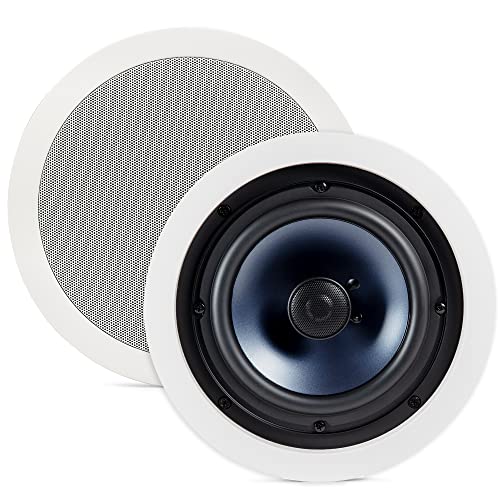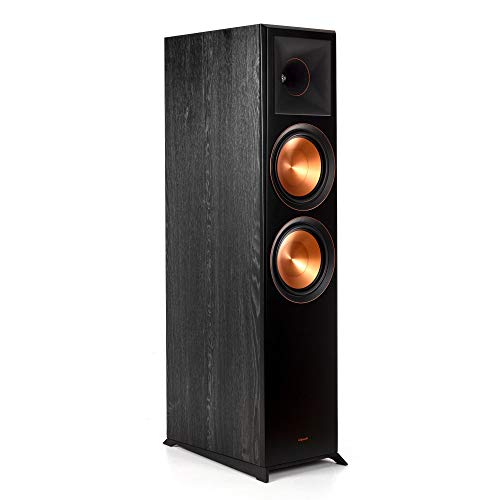
You finally have that spacious living room arranged just how you like it, but bulky floor-standing speakers clash with your minimalist aesthetic. In-wall speakers solve that dilemma by delivering room-filling sound while virtually disappearing into your walls. Whether you are building a dedicated home theater or upgrading your everyday listening setup, choosing the right in-wall speakers can feel overwhelming given the many options from top brands like Klipsch and Polk Audio. This guide covers six standout models, breaking down their key features, sound performance, and installation quirks so you can make a confident decision. If you are also tidying up your desk setup, check out our recommendations for the best webcams for first-time buyers to complement your streamlined entertainment area.

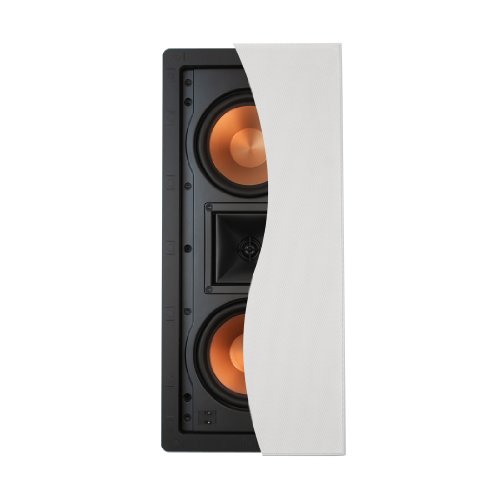


Buying Guide
Speaker Configuration and Driver Size
In-wall speakers come in two-way and three-way configurations. Two-way models pair a woofer with a tweeter, ideal for most rooms. Three-way designs add a dedicated mid-range driver for more detailed vocals and instrument separation. Driver size also matters: larger woofers (8-inch in the Klipsch R-5800-W II) deliver deeper bass, while 5.25-inch or 6.5-inch drivers fit tighter spaces. For a balanced home theater, consider mixing a three-way center channel with two-way surrounds.
Think about your room dimensions and whether you want a stereo pair or a full multi-channel system. If you are also upgrading your internet connection for streaming, our guide on best routers for First-Time buyers can help ensure smooth wireless audio.
Sound Dispersion and Tweeter Technology
Directional sound can be a problem with in-wall speakers because the driver is flush with the wall. Klipsch tackles this with its pivoting Tractrix Horn tweeter, which focuses high frequencies precisely where you sit. Polk uses swiveling silk dome tweeters that let you angle the sound toward the listening area. Horn-loaded designs, like those in Klipsch models, tend to be more efficient and produce less distortion at higher volumes. For a relaxed listening experience, a soft-dome tweeter from Polk may feel warmer.
Installation and Mounting Ease
Even if you are not a DIY expert, most in-wall speakers are designed for straightforward installation. Look for features like tool-free mounting flanges, pre-construction brackets, and rotating cam systems. Polk Audio’s Vanishing Series includes Perfect Fit templates and a patented rotating cam that secures the speaker without vibration. Klipsch models also include mounting hardware but may require cutting a precise hole. Always check if the speaker comes with a cutout template or if you need to buy one separately.
If you work from home and rely on a stable network, pairing your new speakers with a solid router makes a difference. See our picks for the best routers for First-Time buyers to keep your streaming lag-free.
Grille Design and Paintability
One of the biggest selling points of in-wall speakers is their stealthy appearance. Both Klipsch and Polk offer paintable grilles that let you match the speaker to your wall color. Polk’s Vanishing Series features a wafer-thin sheer grille that blends into the wall almost invisibly. Klipsch grilles are also paintable but have a slightly more pronounced frame. If you want the speaker to disappear completely, go with a model that comes with a magnetic flush grille.
Final Thoughts
After evaluating these six in-wall speakers, our top recommendation for most people is the Klipsch R-5800-W II In-Wall Speaker – White (Each) for its powerful horn-loaded sound and versatile pivoting tweeter, ideal for music lovers and home theater enthusiasts alike. If you prefer a more discreet look with smooth, natural audio, the Polk Audio 265-RT 3-way In-Wall Speaker offers exceptional vocal clarity and deeper bass thanks to its three-way design and Power Port technology. Whichever you choose, you are investing in sound that transforms your space without cluttering it.
Frequently Asked Questions
Can in-wall speakers produce good bass?
Yes, models with larger woofers like the Klipsch R-5800-W II (8-inch) or Polk Audio 265-RT (dual 6.5-inch) deliver impressive low-end response. Pairing them with a subwoofer can still enhance the deep bass for movies. The in-wall enclosure itself can reinforce bass frequencies when installed properly.
Are in-wall speakers difficult to install?
Most modern in-wall speakers, including those from Klipsch and Polk, include mounting templates and tool-free cam systems that simplify installation. If you have basic DIY skills and a drywall saw, you can install them in an afternoon. Always check for studs or obstructions inside the wall before cutting.
What is the best placement for in-wall speakers in a home theater?
For a standard 5.1 setup, place the left and right front speakers at ear level on each side of the screen, with the center channel above or below the TV. Surround speakers should go on side walls slightly behind the listening position. Use the pivoting tweeter features to aim sound directly at the seating area.
Do I need to buy a separate amplifier for in-wall speakers?
In-wall speakers are passive and require an external receiver or amplifier to power them. Most home theater receivers have enough channels to handle a full set of in-wall speakers. Make sure your receiver’s power rating matches the speaker’s recommended wattage. For a complete home theater upgrade, you might also be interested in our guide on best outdoor watches for durable wearables.