You’ve just settled into your favorite chair, ready to dive into a movie or an intense gaming session, only to be greeted by the thin, tinny sound from your laptop’s built-in speakers. It’s a common frustration, and the solution is simpler than you might think: a quality pair of USB computer speakers. This guide is designed for anyone who wants to upgrade their desktop or laptop audio without the complexity of traditional sound systems. We’ve evaluated some of the top models on the market to help you find the perfect set for your needs and budget.
Whether you’re a gamer seeking immersive sound effects, a professional needing clear conference calls, or a music lover who appreciates rich tones, the right USB speakers can transform your daily experience. We’ll break down the key features to consider, from sound quality and connectivity to design and extra features. If you’re also exploring other options for your laptop, you might find our guide to the best computer speakers for laptops helpful. Let’s dive in and find your ideal audio companion.


Buying Guide: What to Look for in USB Computer Speakers
Choosing the right USB computer speakers goes beyond just picking the first pair you see. To ensure you get the best audio experience for your setup, consider these key factors before making a purchase.
Sound Quality and Bass Performance
The most critical aspect of any speaker is, of course, how it sounds. Look for speakers with larger drivers, such as 2.25-inch full-range drivers, as they generally produce richer and more detailed audio. Pay attention to the frequency response and whether the speakers include passive radiators or bass ports, which enhance low-end frequencies for a fuller sound.
For a balanced experience, consider what you’ll be using the speakers for. If you enjoy bass-heavy music or action movies, a model with enhanced bass reproduction is a must. For clear dialogue in videos and conference calls, some speakers offer special audio processing to make voices stand out. Think about your primary use case and choose accordingly.
Connectivity and Power
USB speakers offer the convenience of a single cable for both power and audio. Most modern speakers use a USB-A connection, but many newer models are adopting USB-C for faster, more efficient power delivery. Some speakers also include a 3.5mm AUX input for use with devices that lack USB audio support.
Check the compatibility with your computer’s ports. If you have a newer laptop with only USB-C ports, you might need an adapter or a speaker that comes with one. Also, consider if you want the flexibility of Bluetooth connectivity, which allows you to stream music wirelessly from your phone or tablet, adding a layer of convenience beyond your computer. For those interested in more compact options, our guide to the best compact computer speakers might be a good resource.
Design and Desk Aesthetics
The design of your speakers can significantly impact your desk setup. Compact, space-saving designs are ideal for smaller desks, while larger speakers with elevated drivers can improve audio projection. Consider the color and material of the speakers to ensure they match your existing setup. Features like touch controls or a top-mounted volume knob can also enhance usability and convenience.
Some speakers come with thoughtful design elements like cable management to keep your desk clutter-free, and built-in LED lights that add a nice ambient glow. Think about what’s most important to you: a minimalist look, a gaming aesthetic, or something in between. Your choice should complement your space and personal style.
Frequently Asked Questions
Can I use USB computer speakers with a TV or gaming console?
Most USB computer speakers are designed primarily for computers and laptops, but some can work with TVs and gaming consoles that have USB ports for audio output. However, compatibility varies, and not all devices support USB audio output. Check your device’s specifications to see if it supports USB audio before connecting.
Do USB speakers need a separate power source?
No, that’s the main advantage of USB-powered speakers. They draw all the power they need from the USB port on your computer or laptop, so there’s no need for a separate wall outlet. This makes them incredibly portable and easy to set up, perfect for a clean and simple desk setup.
What is the difference between USB and 3.5mm speakers?
USB speakers use a digital connection, which can provide cleaner, less noisy audio compared to the analog 3.5mm connection. Additionally, USB speakers often include a built-in sound card, which can improve audio quality, especially on laptops with subpar audio hardware. However, 3.5mm speakers can be more universally compatible with devices that lack USB audio support.
Are USB speakers good for gaming?
Yes, USB speakers can be an excellent choice for gaming, offering a significant upgrade over built-in laptop speakers. Look for models with good stereo separation and clear sound effects to enhance your immersion. Some gaming-oriented speakers also feature RGB lighting to match your gaming setup, though for a more comprehensive look at all options, you might explore our recommendations for clear communication.
Final Thoughts
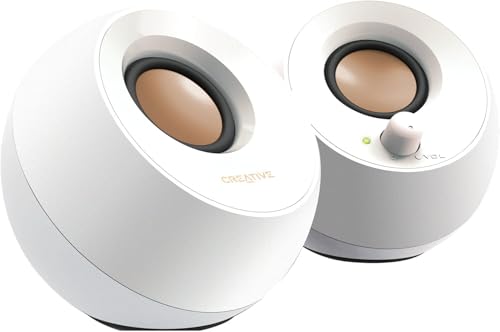
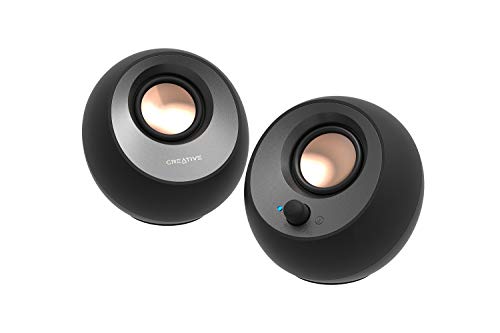
Choosing the right USB computer speakers ultimately comes down to your personal preferences and how you plan to use them. For a versatile, feature-packed option that excels in both work and play, the Creative Pebble V3, 2.0 USB-C Desktop Speakers offers Bluetooth connectivity and powerful, amplified sound. If you’re after a budget-friendly, straightforward pair that still delivers impressive audio for daily use, the Creative Pebble, 2.0 USB Desktop Stereo Speakers is a fantastic choice. Whichever you pick, you’ll be making a significant upgrade to your desktop audio experience.