

You settle in for movie night, but every time characters whisper, you strain to catch the words. A center channel speaker is the unsung hero of home audio—it anchors dialogue to the screen, so you never miss a line. Whether you are building your first system or upgrading a 15-year-old setup, these two models deliver clear, room-filling sound without breaking the bank. In this guide, we assess the Polk Audio T30 and Klipsch R-52C to see which center channel fits your living room.
Buying Guide: What to Look for in a Center Channel Speaker
Dialogue Clarity and Frequency Response
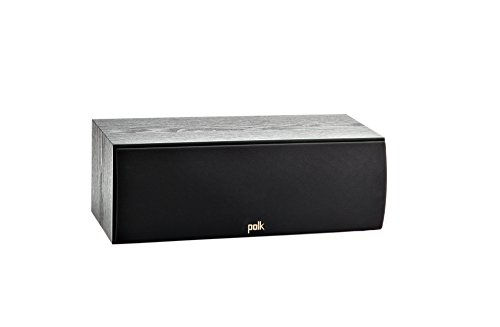
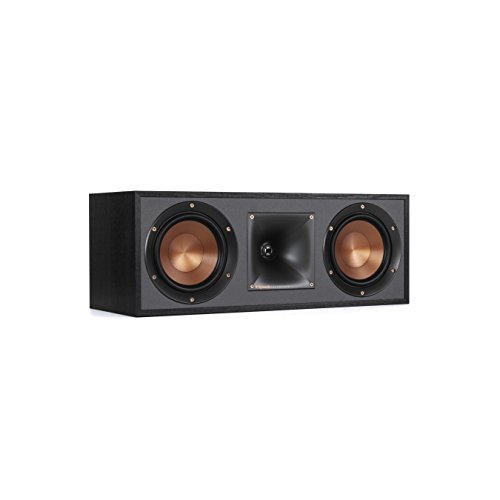
A center channel’s primary job is reproducing the human voice—so you need a speaker that keeps mids clean and avoids sibilance. Look for a tweeter that handles highs without harshness and woofers that deliver a rich midrange. The Polk T30 uses a silk dome tweeter for a smooth top end, while the Klipsch R-52C employs an aluminum tweeter with a Tractrix horn for added presence. Both are engineered to make dialogue sound natural and effortless.
Integration with Your Existing System
Your center speaker should match the timbre of your front left and right speakers for seamless pans. If you already own a Polk T‑Series or Klipsch Reference series, these models are designed to blend perfectly. Even if you are mixing brands, both have a neutral voicing that works with most setups. For more on building a cohesive system, check our guide to surround sound speakers.
Power Handling and Sensitivity
Higher sensitivity means you get more volume from less power—ideal for smaller receivers. The Klipsch R-52C shines here with 95 dB sensitivity, so it pairs well with modest AV receivers. The Polk T30 is rated at 100 watts and uses Dynamic Balance woofers to reduce distortion at higher volumes. Both handle dynamic movie soundtracks without strain, but choose the Klipsch if you plan to drive the system with a lower‑powered amp.
Design and Fit
Center channels often sit inside a cabinet or on a shelf, so size and aesthetics matter. The Polk T30 is a compact box with a classic black grille that hides easily. The Klipsch R-52C features its iconic copper‑spun woofers—a design that looks striking in open setups. Measure your space before buying; both are about 6 inches deep, but the Klipsch is slightly wider. If you plan to wall‑mount, the Polk’s rear port needs breathing room, while the Klipsch can be placed closer to walls.
Final Thoughts
After evaluating both options, we believe the Polk Audio T30 Home Theater Center Channel is ideal for listeners who prioritize warm, natural vocals and a seamless upgrade path from entry‑level gear, while the Klipsch R-52C Powerful Detailed Center Channel wins for those who crave dynamic, high‑efficiency sound with a distinctive look. Whichever you choose, you will transform your movie and TV experience with dialogue you can actually understand.
Frequently Asked Questions
Do I need a center channel speaker if I have a soundbar?
Most soundbars already integrate a center channel, but if you want a true home theater experience with separate speakers, a dedicated center channel substantially improves vocal clarity. It allows you to place dialogue exactly where it belongs—behind the screen.
Can I use a center channel speaker without surround speakers?
Absolutely. Even a 3.0 setup (left, center, right) with no surrounds or subwoofer delivers far clearer dialogue than a stereo pair alone. You can add surrounds and a sub later. For more on building gradually, see our wireless home theater speaker recommendations.
How do I match a center channel with my existing speakers?
For best results, choose a center speaker from the same brand and series as your fronts—this ensures identical tonal balance. If mixing brands, look for a center with similar sensitivity and impedance. Both Polk and Klipsch offer timbre‑matched families that make upgrades simple.
What size center channel is best for my room?
In 2026, most living rooms benefit from a center with two 5.25‑inch woofers—enough output for medium to large spaces. Smaller rooms can get away with a single 4‑inch driver, but the speakers we reviewed fit well in typical 12×15 foot rooms. Always check placement clearance before buying.


