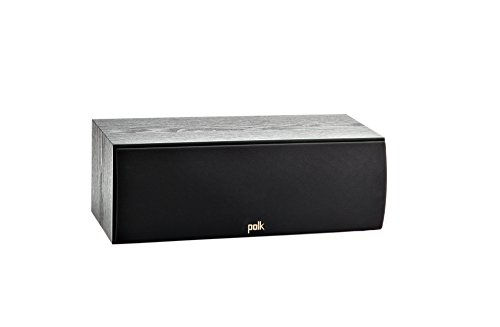
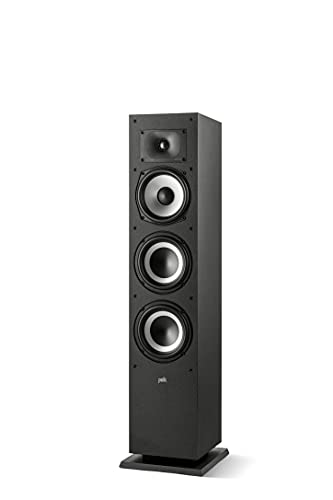
Imagine the rumble of an explosion shaking your living room or the whisper of dialogue floating precisely across the room. That level of immersion starts with the right speakers. If you are building or upgrading a home theater, floorstanding speakers (also called tower speakers) deliver the full frequency range with authority and presence. They eliminate the need for separate stands and often include multiple drivers for detailed highs, clear mids, and deep bass. In this guide, we evaluate the best floorstanding speakers for home theater available now. Whether you crave Dolby Atmos height effects or high-efficiency sound that fills a large space, our selections cover a range of brands and configurations. For a broader look at home audio, visit our Speakers category page.




Buying Guide: What to Look for in Floorstanding Speakers for Home Theater
Sound Quality and Dolby Atmos Support
The heart of any home theater is clear, enveloping sound. Floorstanding speakers with dedicated tweeters and multiple woofers reproduce movie scores and effects with detail. For a truly three-dimensional experience, look for models that support Dolby Atmos. Some towers, like the Klipsch Reference R-26FA, include integrated upward-firing drivers that bounce sound off the ceiling for overhead effects. If you prefer a modular approach, you can add height modules to standard towers. For more on creating an immersive audio environment, read our article on wireless surround sound speakers.
Power Handling and Efficiency
Floorstanding speakers need enough power to fill your room without distortion. Sensitivity ratings (measured in dB) indicate how efficiently a speaker converts power into volume. Higher sensitivity (e.g., 96dB) means you can drive the speakers to high levels with a modest receiver. Also consider continuous power handling: speakers rated for 100 watts or more pair well with most AV receivers. For larger spaces, dual-woofer designs provide the headroom needed for explosive action scenes. Our blog offers tips on matching speakers to receivers.
Build Quality and Design
Sturdy cabinets reduce unwanted vibrations that muddy the sound. Look for MDF construction with internal bracing, magnetic grilles, and quality binding posts. The finish should resist scratches and blend with your decor. Many floorstanding models include rubber feet that work on carpet or hardwood. For a stylish yet affordable option, Polk Audio speakers often feature clean lines and durable enclosures. If you are shopping during seasonal sales, check our Black Friday deals for discounts on premium towers.
Connectivity and Expandability
Most floorstanding speakers connect via standard speaker wire, but dual binding posts allow bi-wiring or bi-amping for potential improvements in clarity. Some systems come as complete bundles with a center channel, surrounds, and a subwoofer, making setup simpler. If you plan to build a 5.1 or 5.2 setup over time, ensure the speakers are timbre-matched within the same brand family. The Klipsch Reference 5.2 Home Theater System with Onkyo receiver is an all-in-one solution that simplifies expansion.
Final Thoughts
Choosing the best floorstanding speakers for home theater depends on your room size, desired features, and whether you prefer a gradual upgrade or a complete package. For immersive Dolby Atmos effects without extra speakers, the Klipsch Reference R-26FA Floorstanding Speaker delivers convincing overhead sound and robust bass. If you are on a tighter budget but still want excellent clarity and deep lows, the Polk Audio Monitor XT60 Home Theater Tower Speaker offers outstanding value with passive radiators that enhance low frequencies. Both options will transform your movie nights into a cinematic experience.
Frequently Asked Questions
What size floorstanding speakers do I need for my home theater?
Room size and listening distance matter. For medium rooms (200 to 400 square feet), towers with dual 6.5-inch woofers are ideal. Larger rooms may require dual 8-inch drivers or more power. In 2026, many compact floorstanding models still deliver impressive bass thanks to passive radiators or front-firing ports.
Are floorstanding speakers better than bookshelf speakers for home theater?
Floorstanding speakers typically produce deeper bass and higher volume levels without a subwoofer, making them excellent for movie soundtracks. Bookshelf speakers require stands and often a separate sub for full-range sound. For a clean setup with fewer components, floorstanding speakers are the better choice, especially for Dolby Atmos integration.
Do I need a subwoofer if I have floorstanding speakers?
Many floorstanding speakers can produce satisfying bass down to about 35 to 40 Hz, but a dedicated subwoofer extends lower (20 to 25 Hz) for that chest-thumping impact. For a complete home theater experience, adding a subwoofer is recommended. The Klipsch Reference system bundles include powered subwoofers for this reason.
Can I use floorstanding speakers for music as well as movies?
Absolutely. High-quality floorstanding speakers are equally adept at stereo music playback. Their wide frequency range and high sensitivity make them suitable for both critical listening and casual background audio. Many audiophiles use tower speakers as their primary speakers for two-channel setups.
For more home theater tips, browse our blog for setup guides and product comparisons.