

Picture this: you are in the middle of a ranked match, and your ping spikes. Your screen freezes for a split second, and you lose the fight. For competitive gamers, every millisecond matters. That is why upgrading to a WiFi 7 router can be a game changer. In this guide, we compare two top contenders for the best wifi 7 routers for gaming: the ASUS TUF Gaming BE6500 and the TP-Link Archer GE400. Both deliver blazing speeds and low latency, but they cater to slightly different needs. If you are also looking for a solid home network upgrade, check out our best WiFi 7 routers for home for more options.

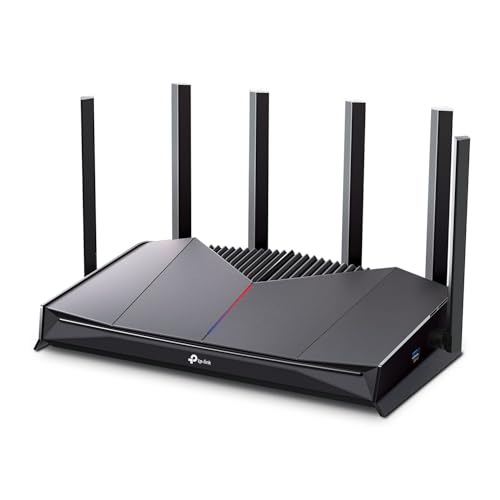
Buying Guide: What to Look for in a Gaming WiFi 7 Router
Choosing the right router for gaming involves more than just raw speed. Here are the key factors we evaluated when selecting these two models.
Multi-Link Operation (MLO) and Band Aggregation
WiFi 7 introduces Multi-Link Operation, which lets your device connect to multiple bands simultaneously. This reduces congestion and improves reliability. The ASUS TUF Gaming BE6500 supports MLO, linking up to dual bands at once for stable connections. The TP-Link Archer GE400 also uses 6‑stream technology to maximize throughput. For a deeper dive into WiFi 7 technology, read our best Wi-Fi 7 routers.
Dedicated Gaming Ports and Traffic Prioritization
A true gaming router should give your console or PC priority. The ASUS model includes a dedicated Gaming Port and one‑tap mobile game packet prioritization. The TP-Link Archer GE400 features a dedicated multi‑gig gaming port and Quality of Service (QoS) to keep your game traffic ahead of streaming or downloads. Both are verified to reduce lag during intense sessions.
Wired Connectivity: Multi‑Gigabit Ports
For the lowest latency, a wired connection is still king. The ASUS TUF Gaming BE6500 offers four 2.5 GbE ports (one WAN, three LAN), ensuring your gaming PC and NAS get top priority. The TP-Link Archer GE400 includes one 2.5 Gbps WAN/LAN port, one 2.5 Gbps LAN, and three 1 Gbps LAN ports. If you have a multi‑gig internet plan, these ports will maximize your speed. See our top wireless routers for home for more wired options.
Security and Durability
Gaming routers are always online, so security matters. ASUS includes its subscription‑free network security system with real‑time threat protection. TP-Link commits to the CISA Secure‑by‑Design pledge and offers HomeShield for network security. Both models are built to last: ASUS undergoes durability validation, while TP-Link uses robust components. For a broader selection of reliable routers, visit our routers category page.
Final Thoughts
Both the ASUS TUF Gaming BE6500 WiFi 7 Router – Dual-Band and the TP-Link Dual-Band BE6500 WiFi 7 Gaming Router 6.5 are excellent choices for competitive gamers. The ASUS stands out with its four 2.5 GbE ports and robust security suite, making it ideal for wired setups and network‑conscious users. The TP-Link Archer GE400 offers a dedicated gaming port, game acceleration via WTFast, and EasyMesh expandability, perfect for those who want seamless whole‑home coverage. Whichever you choose, you will get the low latency and high throughput needed to dominate your games in 2026.
Related Guides
- Best WiFi Router For Gigabit Internet
- Top Routers with Parental Controls for 2026
- Top Routers Under $200 for 2026
Frequently Asked Questions
Do WiFi 7 routers work with older devices?
Yes, WiFi 7 routers are backward compatible with WiFi 6, WiFi 5, and older standards. Your existing phones, laptops, and smart home gadgets will connect normally, but you will only get the full speed benefits with WiFi 7‑enabled devices.
Is Multi‑Link Operation necessary for gaming?
MLO can reduce latency by allowing your device to use multiple bands at once. It is especially helpful in congested areas. Both the ASUS and TP‑Link routers support MLO or similar multi‑band aggregation to improve stability during gaming sessions.
Can I use these routers with a modem from my ISP?
Yes, both routers work with any standard modem that provides an Ethernet connection. Simply connect the modem to the router’s WAN port and follow the setup instructions. For more tips, check our best home WiFi routers.
What is the difference between dual‑band and tri‑band WiFi 7 routers?
Dual‑band routers use the 2.4 GHz and 5 GHz bands, while tri‑band adds a 6 GHz band for even less interference. The ASUS and TP‑Link models reviewed here are dual‑band, which still delivers excellent gaming performance. If you need the 6 GHz band, consider a tri‑band WiFi 7 router.


