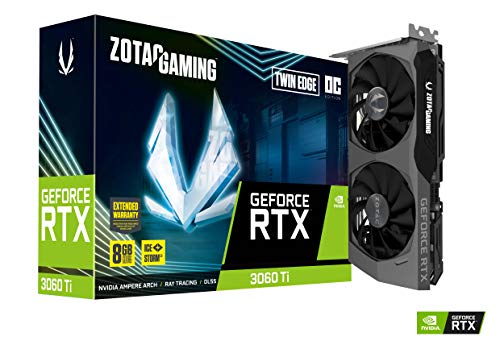
Building or upgrading a desktop PC often starts with the graphics card. Whether you need smooth 1080p gaming, a quiet office workstation, or a multi-monitor setup for trading, the right GPU makes all the difference. Our guide covers four standout options for 2026, from high-performance to budget-friendly picks. For a broader overview, check out our top graphics cards for PC roundup.



Buying Guide: How to Choose a Graphics Card for Your Desktop PC
Performance vs. Budget: Match the Card to Your Use Case
Your primary activity dictates the GPU you need. For modern gaming at 1080p, the ASUS Dual GeForce RTX 3050 6GB GDDR6 OC Edition delivers solid frame rates with ray tracing and DLSS support. If you mainly handle office tasks, web browsing, or light multimedia, a budget card like the SOYO GeForce GT 740 4GB DDR3 or QTHREE GeForce GT 730 4GB is more than adequate. These entry-level GPUs keep costs low while providing a dedicated video output for improved multitasking.
Form Factor and Compatibility: Low Profile vs. Full Height
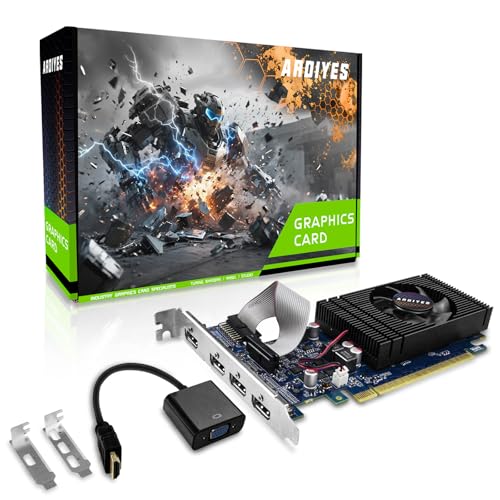
Not all desktop cases accommodate full-size cards. The ARDIYES GT 740 4GB GDDR5 Low Profile GPU and the SOYO GT 740 are designed for small form factor (SFF) and slim PCs, with included half-height brackets. The ASUS RTX 3050 requires a standard PCIe slot and a 2-slot width, so measure your case before purchase. For legacy systems, the QTHREE GT 730 uses a PCI Express X8 slot and draws power solely from the motherboard, making it a plug-and-play upgrade for older machines. If you are building a Linux workstation, see our guide on graphics cards for Ubuntu for driver compatibility tips.
Connectivity and Multi-Monitor Support
Productivity setups often rely on multiple displays. The ARDIYES GT 740 stands out with four HDMI ports for a quad-monitor configuration, ideal for traders or digital signage. The QTHREE GT 730 offers two HDMI plus VGA and DisplayPort for up to four screens. The SOYO GT 740 includes HDMI, DVI, and VGA for legacy monitors. The ASUS RTX 3050 provides one HDMI 2.1 and three DisplayPort 1.4a outputs, supporting high refresh rates and 4K resolutions. Choose based on the ports your monitors require.
Power Efficiency and Cooling
For silent home theater PCs or energy-conscious builds, low power draw is key. The QTHREE GT 730 and SOYO GT 740 require no external power connector and run under 30W. Their passive or low-noise fans keep operation whisper-quiet. The ASUS RTX 3050 uses a more robust axial-tech fan with IP5X dust resistance, but still stays efficient for its class. If noise is a priority, the ARDIYES GT 740 features a silent cooling solution that is barely audible. For more options, browse our full collection of graphics cards.
Final Thoughts
Choosing the best graphics card for your desktop PC comes down to balancing performance, size, and connectivity. For gamers and creative professionals who need modern features, the ASUS Dual GeForce RTX 3050 6GB GDDR6 OC Edition delivers excellent value with ray tracing and high frame rates. If you are on a tight budget or upgrading a legacy office PC, the SOYO GeForce GT 740 4GB DDR3 Low Profile Graphics offers a reliable, low-power solution with flexible display options. Whichever you pick, you will enjoy a smoother, more capable desktop experience.
Frequently Asked Questions
Which graphics card is best for a desktop PC under $100 in 2026?
For under $100, the SOYO GeForce GT 740 4GB DDR3 and QTHREE GeForce GT 730 4GB are solid choices. They handle 1080p video playback, office multitasking, and light games like League of Legends. The ARDIYES GT 740 GDDR5 is also a strong contender if you need four HDMI ports.
Can I use a low-profile graphics card in a standard desktop case?
Yes, low-profile cards like the SOYO GT 740 and ARDIYES GT 740 come with both half-height and full-height brackets, so they fit standard ATX cases as well. Just ensure your case has a PCIe slot and enough clearance for the card’s width.
What is the difference between GDDR5 and DDR3 memory in graphics cards?
GDDR5 is faster and more efficient than DDR3, offering higher bandwidth for smoother performance in games and multimedia. The ARDIYES GT 740 uses GDDR5, while the SOYO GT 740 and QTHREE GT 730 use DDR3. For basic office tasks, the difference is minimal, but for light gaming, GDDR5 provides a noticeable advantage.
Do I need a separate power supply for these graphics cards?
All the budget cards reviewed here (SOYO, QTHREE, ARDIYES) draw power directly from the PCIe slot and require no external power connector. The ASUS RTX 3050 needs a 300W power supply and a 6-pin PCIe connector. Always check your PSU’s wattage and available cables before installing.