You have just captured the perfect shot: a fast-moving bird, a fleeting expression, or a stunning landscape. You press the shutter and wait. But if your SD card cannot write fast enough, you risk missing the next moment or even corrupting the file. For mirrorless camera users, the right memory card is not just storage; it is the backbone of your workflow. This guide covers the top SD cards for mirrorless cameras in 2026, focusing on read and write speeds, video class ratings, and capacity options from leading brands like SanDisk and PNY. Whether you shoot 4K video, burst sequences, or everyday stills, we have a recommendation for you.
If you are new to the world of memory cards, check out our comprehensive guide to SD cards for digital cameras for a broader overview of what to look for.


Buying Guide: What to Look for in an SD Card for Your Mirrorless Camera
Speed Class: UHS-I vs. UHS-II and Video Speed Ratings
Mirrorless cameras demand high write speeds to handle continuous burst shooting and high-bitrate 4K video. The SD card’s speed class tells you the minimum sustained write speed. For 4K UHD, look for U3 (UHS Speed Class 3) or V30 (Video Speed Class 30). UHS-II cards like the PNY EliteX-PRO60 offer even faster transfer rates (up to 280MB/s read), but require a compatible UHS-II slot. Most modern mirrorless cameras support UHS-I, which is sufficient for many users. If you shoot professional-grade video or high-resolution bursts, UHS-II can dramatically reduce buffer clearing times.
For a deeper dive into speed classes and compatibility, see our guide to SD cards for cameras.
Capacity: How Much Storage Do You Need?
Mirrorless cameras produce large files, especially when recording 4K video or shooting RAW stills. A 64GB card might hold around 1,000 RAW images, while 128GB or 256GB gives you more breathing room for long sessions. For wedding or event photographers, 256GB is often the sweet spot. If you shoot mostly JPEG or Full HD video, 32GB or 64GB can be enough. Always consider having two or more cards to avoid losing all your data if one fails.
Durability and Reliability
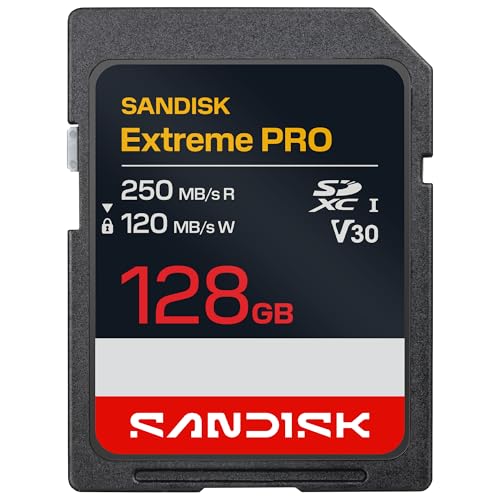
Memory cards travel with you in unpredictable conditions: rain, dust, drops, and temperature extremes. SanDisk Extreme PRO cards are built to withstand water, shock, and temperature changes. The PNY EliteX-PRO60 is rated as magnet-proof, shock-proof, temperature-proof, and waterproof. For wedding and outdoor photographers, durability is non-negotiable. Check out our recommendations for wedding photography to see which cards hold up under pressure.
Compatibility: Does Your Camera Support UHS-II?
Not all mirrorless cameras have UHS-II slots. Some budget or older models only support UHS-I. If you buy a UHS-II card for a UHS-I camera, it will work but at UHS-I speeds. Check your camera’s specifications before purchasing. The SanDisk Extreme PRO UHS-I cards (like the 128GB and 256GB versions) offer excellent speeds even without UHS-II. For professionals using cameras like the Sony A7 IV or Canon EOS R5, UHS-II can unlock faster offloads.
Final Thoughts
Choosing the right SD card for your mirrorless camera comes down to balancing speed, capacity, and budget. For most enthusiasts and professionals, the SanDisk 128GB Extreme PRO SD UHS-I Card delivers blazing read speeds and reliable 4K performance at a reasonable price. If you need more capacity for long video shoots or high-resolution bursts, the PNY 256GB EliteX-PRO60 U3 V60 UHS-II SDXC Flash offers UHS-II speed and ample space at a competitive price. Both are excellent choices that will keep your mirrorless camera running smoothly for years to come.
Frequently Asked Questions
What SD card speed do I need for 4K video on a mirrorless camera?
For smooth 4K UHD recording, look for a card rated U3 or V30. These guarantee a minimum write speed of 30MB/s, which is sufficient for most mirrorless cameras. If you shoot high-bitrate formats like 4:2:2 or 10-bit, consider V60 or V90 cards. In 2026, the SanDisk Extreme PRO series (U3/V30) remains a popular choice for 4K work.
Can I use a UHS-II card in a UHS-I camera?
Yes, UHS-II cards are backward compatible with UHS-I slots, but they will operate at UHS-I speeds. You will not get the faster transfer rates unless your camera has a UHS-II slot. For example, the PNY EliteX-PRO60 works in any SD slot, but its full speed is only realized in UHS-II enabled devices.
How many photos can a 128GB SD card hold in a mirrorless camera?
It depends on file size. A 24-megapixel RAW file is roughly 30 to 40MB, so a 128GB card holds about 3,000 to 4,000 RAW images. For JPEGs, that number can be much higher. If you shoot video, a 128GB card can store approximately 2 to 3 hours of 4K video at standard bitrates. Always format the card in your camera for best performance.
What is the best brand of SD card for mirrorless cameras?
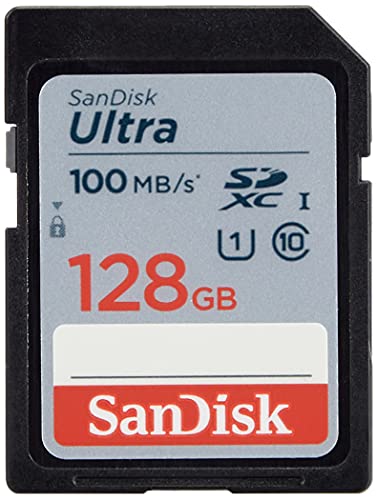
SanDisk and PNY are two of the most trusted brands among photographers. SanDisk offers a wide range from budget Ultra to professional Extreme PRO. PNY’s EliteX-PRO60 provides UHS-II speeds at a competitive price. Both are reliable and widely available. For professional use, we recommend SanDisk Extreme PRO or PNY EliteX-PRO60. For more brand comparisons, visit our Cards category page.