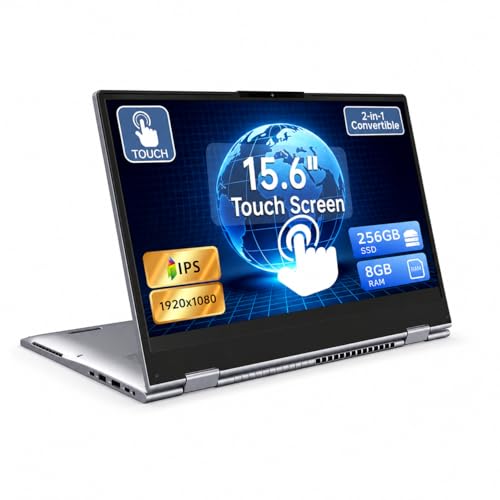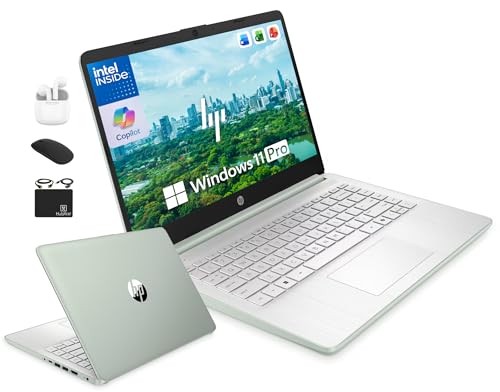
You have a killer beat in your head, but your current laptop struggles to keep up. Latency issues, sluggish plugin loading, and frustrating crashes can kill your creative flow. This guide is for producers, beat makers, and live performers who want a reliable machine that handles Ableton Live without hiccups. We have evaluated the top accessories and gear to help you build the perfect setup. If you are just starting out, check out our recommendations for beat making laptops to see what fits your budget.



Buying Guide
Processor Power for Real-Time Audio
Ableton Live relies heavily on a fast processor for real-time audio processing. You need a laptop with a modern multi-core CPU to handle multiple tracks, effects, and virtual instruments without latency. Look for Intel Core i7 or i9, or AMD Ryzen 7 or 9, especially if you use heavy synths or sample libraries. A powerful CPU ensures smooth playback and recording, even during complex sessions.
For a deeper look at processing needs, our guide on laptops for FL Studio covers similar requirements that apply to Ableton Live as well.
RAM and Storage for Large Projects
Ableton Live projects can quickly consume RAM, especially when using large sample libraries or multiple instances of plugins. We recommend at least 16GB of RAM, with 32GB being ideal for professional work. Fast storage is equally important: a solid-state drive (SSD) with at least 512GB ensures quick load times and smooth access to your samples and project files. Avoid traditional hard drives, as they can bottleneck your workflow.
Portability and Build Quality
As a music producer, you might work in different studios, coffee shops, or on stage. A lightweight laptop with a durable build is essential for portability. Look for models with solid aluminum chassis that can withstand travel. Also, consider battery life: you want a laptop that lasts through long sessions without needing a power outlet. A good balance of power and portability lets you create anywhere.
If you also record vocals or podcasts, our best laptops for podcasting guide offers insights on audio-focused laptops that work well for Ableton Live too.
Connectivity and Expandability
Your laptop needs enough ports for audio interfaces, MIDI controllers, and external drives. Look for USB-A and USB-C ports, Thunderbolt support for low-latency audio, and a headphone jack. Expandability via RAM slots or additional storage is a plus, though many modern laptops have soldered components. Consider a laptop with at least two USB ports and a dedicated audio output for best results.
Final Thoughts
Choosing the right laptop for Ableton Live is about balancing processing power, RAM, and portability to match your workflow. For a hands-on control upgrade, the Akai Professional APC Mini MK2 USB MIDI Pad offers seamless integration with Ableton, while the Ableton Live Keyboard Shortcut Sticker helps you memorize shortcuts for faster editing. Both products enhance your efficiency and creativity, making them valuable additions to any producer’s setup.
Frequently Asked Questions
What are the minimum laptop specs for Ableton Live in 2026?
For smooth performance, you need at least a quad-core processor (Intel Core i5 or AMD Ryzen 5), 8GB of RAM (16GB recommended), and a solid-state drive. An audio interface helps reduce latency, but integrated audio can work for basic projects. Check Ableton’s official site for the latest system requirements.
Can I use a MacBook for Ableton Live?
Yes, MacBooks are popular for music production due to their reliable performance and low latency. The M1, M2, and M3 chips handle Ableton Live very well, especially with native Apple Silicon support. For coding and development needs, you might also find our best laptops for coding guide useful, as many specs overlap.
Do I need a dedicated graphics card for Ableton Live?
No, a dedicated graphics card is not necessary for audio production. Integrated graphics are sufficient for running Ableton Live and its interface. However, if you also do video editing or use visual plugins, a dedicated GPU can help.
How much RAM do I need for large Ableton Live projects?
For large projects with many tracks, virtual instruments, and effects, 32GB of RAM is recommended. This prevents slowdowns and allows you to work with sample libraries like Kontakt without issues. For programming-related tasks, our best laptops for programming guide also emphasizes RAM for multitasking.