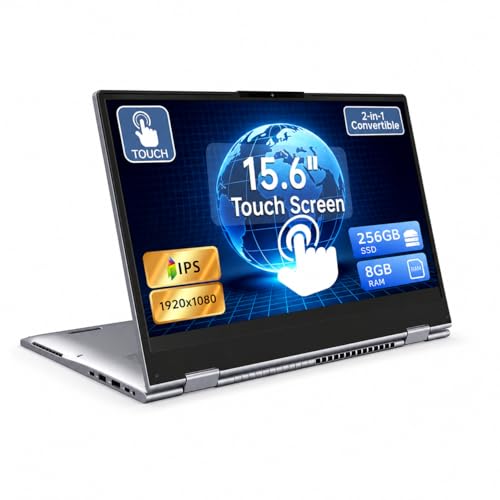
Imagine spinning up a virtual machine to test a new operating system, run a legacy application, or isolate a suspicious file, only to have your laptop grind to a halt. This scenario is all too common with underpowered hardware. In this guide, we’ll explore what makes a laptop suitable for virtual machines, focusing on the key specifications that matter most. Whether you’re a developer, a sysadmin, or a tech enthusiast, we’ve got you covered.
Running virtual machines (VMs) demands more than just a fast processor; it requires a balanced combination of RAM, storage, and CPU cores. We’ll break down these requirements and review a top contender that simplifies VM work without tying you to a desk. If you’re also interested in other demanding tasks, check out our guide on top laptops for deep learning for similar performance insights.


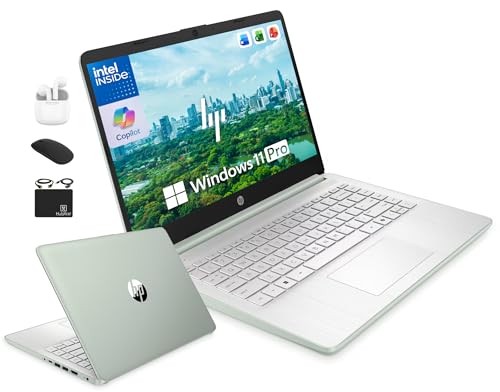
Buying Guide: What to Look for in a Laptop for Virtual Machines
Choosing the right laptop for virtual machines goes beyond just picking the most expensive model. You need to consider how VMs use your hardware. Here are the three most critical factors to evaluate before making a purchase.
Processor (CPU) Cores and Speed
The CPU is the heart of any virtual machine setup. Each VM needs its own set of logical processors to run smoothly, so a multi-core processor is non-negotiable. Look for laptops with at least a quad-core CPU, but for serious multitasking, consider six or eight cores.
Higher clock speeds also reduce latency when switching between VMs and your host system. A laptop with a modern Intel Core i7 or AMD Ryzen 7 will handle most virtualization tasks with ease. If you’re also into gaming or content creation, these CPUs double well for those tasks, as seen in laptops for game development.
RAM: The More, The Better
Virtual machines are memory hogs. Each VM requires a portion of your system RAM to run its operating system and applications. For a single VM, 8GB of RAM is the bare minimum, but for a smooth experience, 16GB is recommended.
If you plan to run multiple VMs simultaneously, which is common in testing environments, then 32GB or more is ideal. Always check if the laptop’s RAM is upgradeable, as this can extend its life. For data-intensive tasks, you might also want to look at laptops for data analysts which often come with higher RAM configurations.
Storage: SSD Speed and Capacity
Virtual machines create large files that can quickly fill up a hard drive. An SSD (Solid State Drive) is essential because it dramatically speeds up boot times and file access. Look for at least 512GB of SSD storage, but 1TB is safer if you store many VM images.
NVMe SSDs are even faster than SATA SSDs, reducing the time it takes to snapshot or clone VMs. If you’re on a budget, a hybrid drive with a small SSD cache can work, but a full SSD is worth the investment. For mobile professionals, consider a lightweight model with SSD, similar to those in laptops for Android development.
Final Thoughts
In summary, the Numark Mixstream Pro+ DJ Controller stands out for its unique standalone design, making it ideal for DJs who need portability without sacrificing performance. However, for pure VM workloads, a traditional laptop with a powerful CPU and ample RAM is more suitable. If you’re torn between two use cases, consider the Numark Mixstream Pro+ DJ Controller for its versatility, but for serious virtualization, you might want to explore dedicated options like those in our Pro Tools laptop guide. Ultimately, the best choice depends on your specific needs, whether that’s music production or running complex virtual environments.
Frequently Asked Questions
What are the minimum requirements for a laptop to run virtual machines?
For basic VMs, you’ll need at least 8GB of RAM, a quad-core CPU, and 256GB of storage. However, for a smoother experience, especially with multiple VMs, aim for 16GB RAM, a 6-core processor, and an SSD. These specs ensure your host system remains responsive.
Can I run virtual machines on a budget laptop?
Yes, you can run lightweight VMs on budget laptops, but performance will be limited. Look for a laptop with an AMD Ryzen 5 or Intel Core i5, 8GB of RAM (upgradeable), and an SSD. You might need to adjust VM settings to allocate fewer resources, but it’s possible for light use.
Is more RAM or a better CPU more important for VMs?
Both are crucial, but RAM often becomes the bottleneck first. If you run out of RAM, your system will use the hard drive for virtual memory, slowing everything down. Start with at least 16GB, then focus on a CPU with more cores for better multitasking.
Do I need a dedicated graphics card for virtual machines?
Not typically. VMs rely on the CPU for most tasks, and integrated graphics are sufficient for standard operating systems and applications. However, if you’re using GPU passthrough for graphics-intensive VMs (like for gaming), a dedicated GPU can help, but it’s not a must for general use.