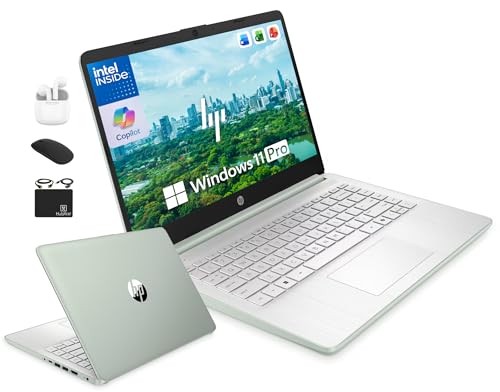
You sit down in a lecture hall, notebook open, but the professor moves faster than your pen. A touch screen laptop lets you annotate slides, sketch diagrams, and switch between apps with a swipe. For students in 2026, the right device can transform how you learn. This guide covers six top-rated touch screen laptops for school, from budget-friendly Chromebooks to versatile 2-in-1s. Whether you need a durable machine for note-taking or a powerful laptop for creative projects, we have you covered.
We evaluated each model based on display quality, performance, portability, and value. Our picks come from brands like Lenovo, Samsung, and HP, all verified for reliability in academic settings. If you are exploring other options, check out our laptops category for more student-friendly devices.


Buying Guide: What to Look for in a Touch Screen Laptop for School
Display Quality and Touch Responsiveness
A crisp, bright display makes a difference when you are reading textbooks or watching lecture recordings. Look for Full HD (1920×1080) resolution or higher, with IPS technology for wide viewing angles. Touch responsiveness should be smooth and accurate, especially if you plan to use a stylus for note-taking. For more on display specs, see our guide to best 4K touch screen laptops.
Anti-glare coatings reduce eye strain during long study sessions. Some models, like the Lenovo Chromebook 14″ Touchscreen Laptop, offer 300 nits brightness and 100% sRGB color accuracy, making them ideal for both indoor and outdoor use.
Performance for Multitasking
Schoolwork often involves running multiple apps simultaneously: a browser with tabs, a word processor, and a video call. Look for at least 4GB of RAM (8GB preferred) and a modern processor. Chromebooks with MediaTek Kompanio processors handle web-based tasks efficiently, while Windows laptops with AMD Ryzen or Intel N-series offer more power for heavier software like Adobe Creative Cloud.
For students in STEM fields, consider a laptop with dedicated graphics or a fast SSD. The HP 15.6 inch Laptop with AMD Ryzen 5 and 512GB SSD is a strong choice for engineering or data science majors.
Battery Life and Portability
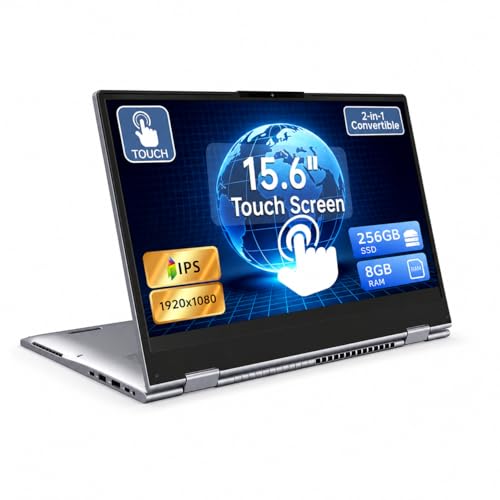
A school day can last eight hours or more. Aim for a laptop that offers at least 8-10 hours of real-world battery life. Thin and light designs (under 3 pounds) are easier to carry between classes. Convertible 2-in-1 laptops like the Exilapsire 15.6″ Yoga offer flexibility, but often weigh a bit more. If you prioritize portability, a Chromebook like the Lenovo Flagship Chromebook (2.86 lb) is ideal.
Fast charging is a bonus: some HP models can reach 50% charge in about 45 minutes. For larger displays, check our best 17 inch touch screen laptops for options that balance screen size with battery life.
Storage and Expandability
Cloud storage is common, but local storage matters for offline work and large files. Look for at least 64GB eMMC or 128GB SSD. Many Chromebooks support microSD expansion, while Windows laptops often have M.2 slots for upgrades. The Samsung 12.2″ FHD 2-in-1 Chromebook comes with a bonus docking station and extra storage, making it a great value for students who need space for projects.
Ports matter too: USB-C for charging and data, HDMI for external displays, and a headphone jack. A laptop with USB-C Power Delivery can charge your phone as well. For gaming-capable school laptops, see our best gaming laptops for school guide.
Final Thoughts
After evaluating six touch screen laptops for school, we recommend the Exilapsire 15.6″ Yoga 2-in-1 Touchscreen Laptop for its versatile 360-degree hinge, responsive display, and ample RAM, making it perfect for students who want a laptop-tablet hybrid. For a budget-friendly Chromebook that excels in portability and battery life, the Lenovo Flagship Chromebook is a solid choice, especially if you rely on Google Workspace and need a lightweight companion for classes. Both models represent different use cases, but each delivers reliable performance for schoolwork.
Frequently Asked Questions
Are touch screen laptops good for note-taking in school?
Yes, touch screen laptops with stylus support allow you to write directly on the screen, annotate PDFs, and draw diagrams. Models like the Samsung 12.2″ FHD 2-in-1 Chromebook come with a stylus pen, making them excellent for digital note-taking in 2026.
What is the difference between a Chromebook and a Windows laptop for school?
Chromebooks run Chrome OS, which is lightweight, secure, and optimized for web-based tasks. Windows laptops offer broader software compatibility, including full desktop apps like Microsoft Office and Adobe. If your school uses Google Classroom and web apps, a Chromebook is sufficient. For specialized software, choose a Windows laptop like the HP 15.6 inch model.
How much RAM do I need for a school laptop?
For basic tasks like browsing, writing, and video streaming, 4GB RAM is adequate. If you multitask heavily or use demanding applications, 8GB RAM is recommended. The Exilapsire 15.6″ Yoga and HP 15.6 inch Laptop both offer 8GB RAM for smooth performance.
Can I use a touch screen laptop for online classes?
Absolutely. Most touch screen laptops have integrated webcams and microphones for video conferencing. The Lenovo Chromebook 14″ Touchscreen Laptop includes a privacy shutter for the webcam, which is a useful security feature. For more tips, browse our blog for remote learning advice.