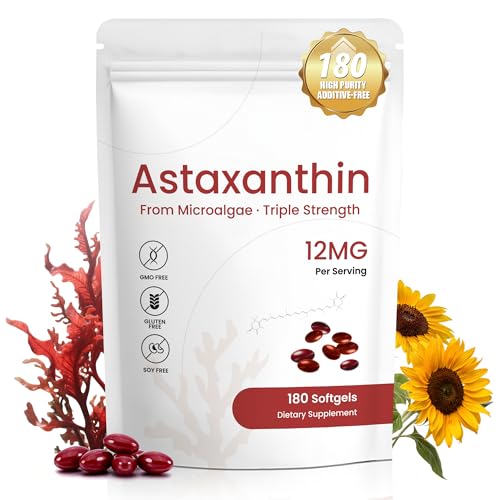
The astaxanthin supplement price you see on a bottle depends on several key factors that have nothing to do with the brand’s marketing budget. A low price tag may signal a synthetic ingredient or a weak dosage, while a high price often reflects a premium natural source like Haematococcus pluvialis algae. Understanding what you are paying for is the first step to choosing a supplement that fits both your budget and your health goals.
Natural vs. Synthetic Astaxanthin
The single biggest driver of astaxanthin supplement price is whether the astaxanthin comes from a natural or synthetic source. Natural astaxanthin is extracted from microalgae, which is expensive to cultivate and process. Synthetic astaxanthin is derived from petrochemicals and costs a fraction to produce.
Most research showing benefits uses natural astaxanthin, and your body may absorb it better. If a price seems too low, the supplement is almost certainly synthetic. Look for labels that specify “natural astaxanthin from Haematococcus pluvialis” to confirm the source.
Dosage and Serving Size
Astaxanthin supplement price scales with the amount of active ingredient per capsule. A 4 mg capsule costs less to produce than a 12 mg capsule, but you may need a higher dose to see results. Many studies use 6 mg to 12 mg per day for general antioxidant support.
Compare the price per milligram, not just the bottle price. A 60 count bottle of 4 mg capsules may appear cheap, but if you need 12 mg daily you will use three capsules per day, making the effective cost per serving much higher. Check the serving size on the label before comparing prices.
Purity and Third-Party Testing
Higher purity astaxanthin extracts are more expensive to produce. Some brands test each batch for contaminants like heavy metals, pesticides, and microbes. Third-party certifications, such as those from USP or NSF, add cost but give you confidence in what you are consuming.
If a supplement is very cheap, it may skip these quality controls. You can check the brand’s website or the bottle for a certificate of analysis. This transparency is a good sign of quality and partly justifies a higher astaxanthin supplement price.
Form: Softgels, Capsules, or Liquid
The delivery form also influences the astaxanthin supplement price. Softgels are the most common and reasonably priced. Liquid drops or powders tend to cost more because they require specialized packaging and often include additional fats or oils to improve absorption.
Softgels are convenient and stable, but if you prefer a liquid form you may pay a premium. For most people, a high quality softgel offers the best balance of cost and effectiveness.
Brand Reputation and Marketing
Not all price differences reflect ingredient quality. A well known brand may charge more for the same raw material simply because of its reputation, packaging, and advertising. Smaller or lesser known brands can offer equal quality at a lower price.
Read the ingredient list and third party certifications rather than relying on brand name alone. A premium price does not always mean a superior product. Compare the source, dosage, and testing credentials across several options before deciding.
How to Evaluate Astaxanthin Supplement Price
Use this checklist to compare supplements without getting confused by marketing or price alone.
- Check the source: natural (Haematococcus pluvialis) or synthetic.
- Calculate the price per milligram of active astaxanthin per daily serving.
- Look for third party testing or a certificate of analysis.
- Consider the dosage you actually need: 6 mg vs. 12 mg may change the cost.
- Choose a form (softgel, liquid) that fits your routine and budget.
To dive deeper into choosing the right dosage for your goals, see our detailed comparison of astaxanthin 6mg vs 12mg. That guide explains which dose is better for specific benefits and how it relates to overall value.
Frequently Asked Questions
Why is some astaxanthin so much cheaper than others?
Cheaper astaxanthin is almost always synthetic, derived from petrochemicals. Natural astaxanthin from microalgae costs more to produce and is better absorbed by the body, which explains the price gap.
Does a higher price mean better absorption?
Not always. Absorption depends on the extraction method and whether the supplement includes a fat source for better uptake. Check for “delivery system” details or phospholipid complexes, not just the price.
Should I take astaxanthin with food to get more value?
Yes. Astaxanthin is fat soluble, so taking it with a meal containing fat improves absorption. This can make a lower dose more effective, potentially reducing your cost per serving. Learn more in our article on whether astaxanthin should be taken with fat.
Is it worth buying a bulk bottle to save money?
A bulk bottle can lower the price per capsule, but only if you will use it before the expiration date. Astaxanthin degrades over time, especially if exposed to heat and light. A smaller bottle of fresh product may be a better value.
Related Guides
Closing
The astaxanthin supplement price is a reflection of source, dosage, purity, and brand factors. Focus on the ingredient quality and your personal dosage needs rather than the bottle price alone. For a deeper understanding of timing and effectiveness, check our guide on when to take astaxanthin to get the most from your supplement.