You’ve watched behind-the-scenes clips of indie filmmakers capturing stunning footage with nothing but a phone, and you’re ready to try it yourself. But then you start shooting and realize your footage looks shaky, the highlights blow out, and the audio sounds like a tin can. The truth is, while modern smartphones are incredibly capable, they need the right support gear and knowledge to produce truly professional results.
This guide is for anyone who wants to elevate their mobile videography, whether you’re a vlogger, a content creator, or a business owner. We’ll walk you through the essential accessories and learning resources that transform a simple phone into a powerful filmmaking tool. If you’re also thinking about which phone to start with, check out our top picks for teens for some affordable options that still record great video.




Buying Guide
When you’re building a smartphone videography kit, you don’t just grab the first accessory you see. You need to think about what will actually make a difference in your specific shooting style. Here are the key factors we considered when evaluating the products for this guide, along with tips to help you choose wisely.
Stability and Grip
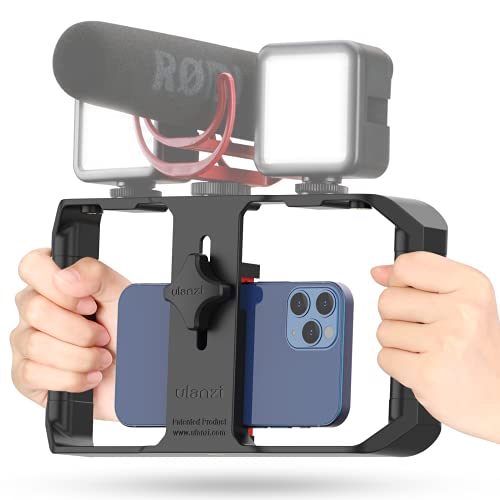
Shaky footage is the fastest way to look amateur. A dedicated video rig, like the ULANZI U Rig Pro Smartphone Video Rig, provides a solid grip and multiple mounting points, which helps you hold the phone steady for longer takes. Look for a rig with a secure phone clamp that won’t scratch your device and has a tripod mount at the bottom for static shots.
For run-and-gun shooting, a compact and lightweight cage is essential. It should feel natural in your hands and allow you to reach all the phone’s buttons and ports without obstruction. A good rig also gives you a place to attach a microphone and light, which are crucial for professional audio and controlled lighting.
Audio Quality and Mounting
Viewers might forgive a slightly soft image, but they won’t forgive bad audio. The built-in microphone on a phone is not designed for serious videography. You’ll need an external microphone, and that requires a reliable mounting solution. Products like the RØDE Magnetic Mount Smartphone Accessory Mount offer cold shoe slots to attach a shotgun mic or a wireless lavalier system securely.
Consider how the mount attaches to your phone. Magnetic mounts are incredibly fast to set up, but you need to ensure the magnet is strong enough to hold your heaviest microphone. A clamp-style mount with a locking mechanism provides extra security, especially if you’re moving around a lot during a shoot. Always check the weight capacity and the width range to ensure compatibility with your phone and gear.
Lens Control and Light Management
To get that cinematic look with a shallow depth of field or to shoot in bright daylight without blowing out your highlights, you need control over light. A variable ND filter, like the 52MM Clip-on Variable ND2-32(1-5 Stops), is a game-changer. It acts like sunglasses for your lens, allowing you to use a slower shutter speed or a wider aperture in bright conditions.
When choosing a filter, look for one with multi-coated optical glass to prevent lens flare and maintain sharpness. The clip-on design is convenient for phones, but make sure it’s compatible with your phone’s camera module and doesn’t cause vignetting. If you plan to shoot in various lighting conditions, a variable ND filter offers the most flexibility for its size.
Final Thoughts
As you build your smartphone videography kit, remember that the best investments are those that solve your specific problems. For a solid foundation, we highly recommend the ULANZI U Rig Pro Smartphone Video Rig for its versatility and secure grip, and for those looking to master the technical side, the THE COMPLETE SMARTPHONE VIDEO CREATOR guide is an invaluable resource that covers everything from shooting to monetization. Start with these, and you’ll be amazed at the quality you can achieve.
Frequently Asked Questions
What is the most important accessory for smartphone videography?
For most people, it’s a stable mount or rig. A good tripod or handheld rig eliminates shaky footage, which is the most common sign of amateur video. It also allows you to compose your shots more carefully and use slower shutter speeds for that smooth, cinematic motion blur. Look into the smartphone options for teens if you’re on a budget but still want a good camera.
Do I really need an external microphone for phone video?
Yes, absolutely. The built-in microphones on phones are designed to pick up your voice, but they also capture a lot of ambient noise and often sound distant. An external microphone, even a compact shotgun mic, dramatically improves audio clarity and makes your videos sound more professional. This is a critical step for any serious content creator.
What does an ND filter do for video on a phone?
An ND (neutral density) filter works like sunglasses for your lens. In bright sunlight, it reduces the amount of light entering the camera, allowing you to use a wider aperture (for a blurred background) or a slower shutter speed (for motion blur) without overexposing the image. This is essential for achieving a cinematic look and is a key tool for any videographer. For more tips on capturing great video, you might find our guide on the best smartphones for kids helpful if you’re buying a first phone for family projects.
Can I really make money with smartphone videography?
Yes, you can. Many successful YouTubers, social media influencers, and even independent filmmakers have built entire careers using only their smartphones. The key is to master the fundamentals of storytelling, composition, and lighting. There are many online courses and guides, like the Blackmagic Camera App – The Complete Guide, that can help you learn the skills needed to monetize your content.