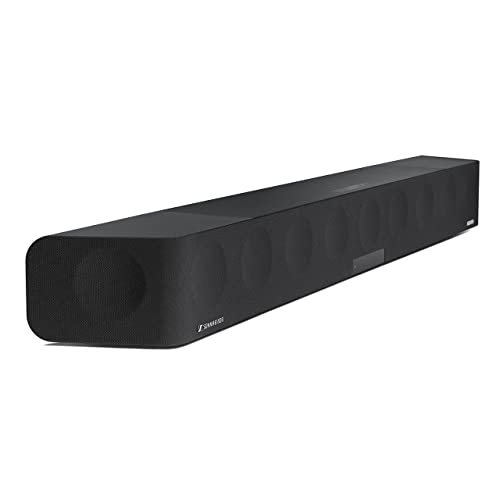
You have spent hours selecting the perfect television, only to find its built-in speakers fall flat during movie nights or gaming sessions. A passive soundbar offers a streamlined path to cinema-grade audio, but choosing the right one requires understanding how it integrates with your existing receiver and space. In this guide, we evaluate the top passive soundbars on the market, focusing on models that excel in build quality, channel configuration, and driver performance. Whether you are outfitting a dedicated home theater or an outdoor entertainment area, our curated list helps you find the ideal match.
If you are exploring broader audio upgrades, check out our roundup of the best soundbars for a more general perspective. However, for those specifically seeking passive designs that rely on an external amplifier, read on.


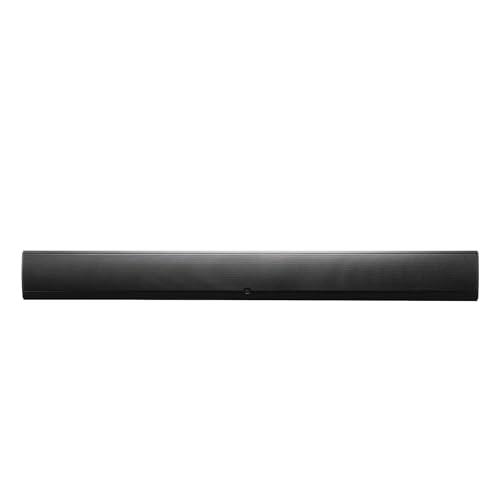


Buying Guide: What to Look for in a Passive Soundbar
Design and Build Quality
Passive soundbars need to blend seamlessly with your living space. Consider the dimensions and mounting options: ultra-slim models like the Martin Logan Motion SLM X3 Ultra-Slim measure under two inches deep, making them easy to place under a TV or mount on a wall. For outdoor use, weather-resistant designs such as the SunBriteTV All-Weather Passive Soundbar feature rust-proof aluminum cabinets that withstand rain and extreme temperatures.
Channel Configuration
Most passive soundbars offer two or three channels. A 3-channel design (left, center, right) provides dedicated center channel dialogue clarity, ideal for movies and TV shows. The Definitive Technology Mythos 3C-75 and Mythos 3C-65 are excellent examples with adjustable width extensions to match your TV size. For simpler setups or outdoor applications, a 2-channel bar like the SunBriteTV unit still delivers solid stereo imaging.
Compatibility with Your AV Receiver
Passive soundbars require an external amplifier or AV receiver to power them. Ensure your receiver has enough channels and power output to drive the soundbar’s impedance and sensitivity. The Atlantic Technology 3.1 HSB Speaker Base is a unique product that functions as a passive soundbar base but includes a built-in H-PAS subwoofer, still needing a receiver for the speaker channels. Always verify the soundbar’s power handling and match it to your amplifier’s capabilities.
Driver Array and Sound Performance
The number and type of drivers directly affect sound quality. Look for multiple woofers and tweeters for a wide soundstage. The Atlantic Technology base uses six 4-inch woofers and three soft dome tweeters, reaching sub-35 Hz bass. The MartinLogan employs Folded Motion Transducers for crisp highs. For outdoor use, the SunBriteTV incorporates titanium woofers and tweeters to project sound clearly across open spaces.
For more in-depth buying advice, visit our Soundbars category page.
Final Thoughts
Choosing the right passive soundbar ultimately comes down to your specific audio setup and environment. If you need a compact solution that integrates a powerful subwoofer while remaining receiver-dependent, the Atlantic Technology 3.1 HSB Speaker Base offers exceptional value with its H-PAS technology. For outdoor or all-weather installations, the SunBriteTV All-Weather Passive Soundbar provides robust construction and clear sound that can handle the elements. Both models deliver the clarity and immersion that passive designs are known for, letting you build a system that grows with your needs.
Related Guides
- Top Soundbars of 2026 for Immersive Audio
- Best Soundbar for Apartment Living in 2026
- Best Affordable Soundbars with Dolby Atmos in 2026
Frequently Asked Questions
What is a passive soundbar and how does it differ from an active soundbar?
A passive soundbar does not contain a built-in amplifier; it requires an external AV receiver or amplifier to drive the speakers. This offers more flexibility for advanced audio setups and often results in higher sound quality because you can pair it with a high-end amplifier. Active soundbars (powered) have the amplifier built in and are simpler to set up, but they limit upgrade options.
Can I use a passive soundbar with my current TV?
Yes, but you need an AV receiver or amplifier between the TV and the soundbar. Connect the TV’s audio output (HDMI ARC, optical, or RCA) to the receiver, then connect the receiver’s speaker outputs to the passive soundbar. Many modern receivers have dedicated soundbar modes or allow you to bi-amp the soundbar for better performance.
Are passive soundbars good for outdoor use?
Some passive soundbars are specifically built for outdoor conditions. The SunBriteTV All-Weather model is IP66-rated and can operate in temperatures from -4°F to 140°F. Its rust-proof aluminum cabinet and titanium drivers ensure longevity in rain, snow, and humidity. For outdoor use, always check the weather resistance rating and ensure your amplifier is also placed in a dry location.
How many channels do I need for a passive soundbar?
For most home theater setups, a 3-channel passive soundbar (left, center, right) is recommended because the dedicated center channel improves dialogue clarity. If you have limited space or are using the soundbar outdoors, a 2-channel model can still provide good stereo sound. The choice also depends on whether your AV receiver can process a center channel output to the soundbar.