

You have finally cleared the wall space, measured the viewing distance, and decided that a 75-inch television is the centerpiece your living room deserves. Whether you are hosting game day parties, binge-watching the latest series, or immersing yourself in cinematic masterpieces, a screen of this size transforms every moment. But with so many models flooding the market in 2026, choosing the right one can feel overwhelming. That is where we come in. We have evaluated the top contenders across different technologies and price points to help you make a confident decision. From Mini-LED brilliance to QLED color accuracy, this guide covers seven carefully selected models that represent the best value for your home theater.
Our team has spent hours researching and comparing specifications, reading verified user feedback, and analyzing performance metrics for each TV. We focus on what truly matters: picture quality, smart features, gaming capabilities, and overall reliability. For more context on the broader TV landscape, check out our guide to the best 75 inch TVs for additional insights.




Buying Guide: What to Look for in a 75-Inch TV
Display Technology: Mini-LED vs. QLED vs. Crystal UHD
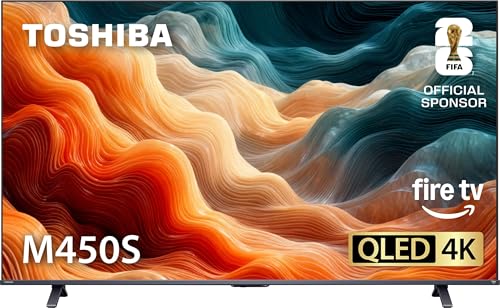
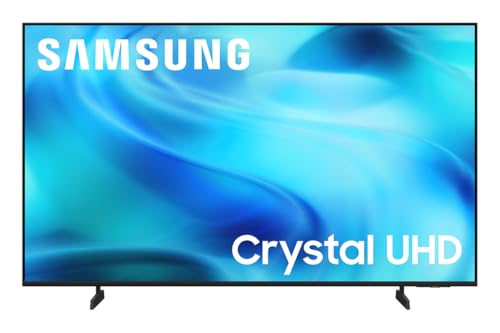
The display technology determines how vibrant and accurate the picture looks. Mini-LED panels, like those in the Samsung 75-Inch Class M70H Series, Mini LED, 4K and the Hisense 75″ E7 Cinema Series Hi-QLED Mini-LED 4K, use thousands of tiny backlight zones to deliver deeper blacks and brighter highlights. QLED technology, found in the Hisense 75″ Class E6SR Series Hi-QLED 4K UHD and the TOSHIBA 75″ Class M450 Series QLED 4K UHD, uses quantum dots for rich, lifelike colors. Samsung’s Crystal UHD, as seen in the Samsung 75-Inch Class U8000H Series Crystal UHD, offers solid 4K performance at a more accessible price point.
For the best contrast and HDR performance, Mini-LED is the top choice. If you prioritize color volume and brightness, QLED is excellent. Crystal UHD provides a great balance for everyday viewing. Consider your room’s lighting and content preferences when deciding.
Refresh Rate and Gaming Features
Gamers and sports fans should pay close attention to refresh rate and motion handling. Native 144Hz panels, such as those in the Hisense 75″ E7 Cinema Series and the Hisense 75″ U6 Pro Series Mini‑LED ULED 4K UHD HDR, provide buttery-smooth motion for fast-paced games and high-speed action. Variable Refresh Rate (VRR) and Auto Low Latency Mode (ALLM) are also crucial for reducing screen tearing and input lag. The TOSHIBA M450 supports both VRR and ALLM, making it a solid choice for console gaming.
Even if you are not a hardcore gamer, a higher refresh rate improves the clarity of sports and live events. Motion enhancement technologies like MEMC (Motion Estimation, Motion Compensation) further reduce blur, which is especially useful for fast camera pans.
Smart Platform and Voice Control
The operating system determines how easily you access streaming services and control your TV. Samsung models use Tizen with Samsung TV Plus, offering thousands of free channels. Hisense and Toshiba models integrate Fire TV, which provides Alexa voice control and a vast app library. The INSIGNIA 75″ Class F50 Series LED 4K UHD also runs Fire TV, giving you access to over a million streaming titles. If you are already invested in the Alexa ecosystem, Fire TV is a natural fit. For more on smart TV platforms, see our TVs category page for comparisons.
Consider whether you prefer a dedicated voice remote, built-in smart assistant, or compatibility with Google Assistant. Most modern TVs support multiple ecosystems, but the integration depth varies.
Audio Quality and Connectivity
While a large screen is impressive, built-in speakers often lack punch. Look for TVs with Dolby Atmos support, like the Hisense 75″ E7 Cinema Series, or those with a built-in subwoofer, like the Hisense 75″ U6 Pro Series. DTS Virtual:X in the Hisense E6SR and TOSHIBA M450 creates a wider soundstage without external speakers. For connectivity, ensure you have enough HDMI 2.1 ports for next-gen consoles and eARC for high-quality audio pass-through.
If you plan to use a soundbar, check that the TV supports HDMI eARC for lossless audio. Also, consider Wi-Fi 6 support for smoother streaming of 4K content.
Final Thoughts
After evaluating all seven models, we believe the Samsung 75-Inch Class M70H Series, Mini LED, 4K stands out for those who want premium Mini-LED contrast and a vast library of free content through Samsung TV Plus. For gamers and cinephiles seeking the highest refresh rate and immersive HDR, the Hisense 75″ E7 Cinema Series Hi-QLED Mini-LED 4K delivers exceptional value with native 144Hz and Dolby Vision IQ. Whichever you choose, a 75-inch screen will elevate your home entertainment to a new level in 2026.
Frequently Asked Questions
What is the best 75-inch TV for gaming in 2026?
For gaming, the Hisense 75″ E7 Cinema Series is a top contender with its native 144Hz refresh rate, VRR, and ALLM support. The Hisense 75″ U6 Pro Series also offers 144Hz and a built-in subwoofer for immersive gameplay. Both models deliver smooth motion and low input lag.
Are 75-inch TVs worth it for a living room?
Absolutely. A 75-inch TV creates a cinematic experience that smaller screens cannot match. It is ideal for rooms with a viewing distance of 8 to 12 feet. Models like the Samsung 75-Inch Class M70H Series and Hisense 75″ Class E6SR Series offer excellent picture quality that transforms your living room into a home theater.
Which 75-inch TV has the best picture quality for movies?
For movie lovers, the Samsung 75-Inch Class M70H Series with Mini-LED and the Hisense 75″ E7 Cinema Series with Dolby Vision IQ and HDR10+ Adaptive deliver stunning HDR performance. Both provide deep blacks, bright highlights, and accurate colors that make films look their best.
Do I need a soundbar with a 75-inch TV?
While many 75-inch TVs have decent built-in audio, a soundbar significantly improves the experience. Models like the Hisense 75″ U6 Pro Series include a built-in subwoofer for deeper bass, but for true surround sound, pairing with a Dolby Atmos soundbar is recommended. For tips on audio upgrades, visit our Automotive section (though unrelated, it offers general accessory advice).


