

You’ve outgrown your smartphone camera. You want sharper images, smoother video, and the creative control that only a mirrorless system can offer. But with so many models flooding the market in 2026, finding the right one feels overwhelming. That’s where we come in. Our team has evaluated dozens of mirrorless cameras across different price points and use cases, narrowing down the top contenders from Canon, Sony, and Nikon. Whether you’re a vlogger, a travel photographer, or a first-time interchangeable lens user, this guide will help you pick your perfect match. For a deeper look into entry-level options, check out our guide to the best entry-level mirrorless cameras.


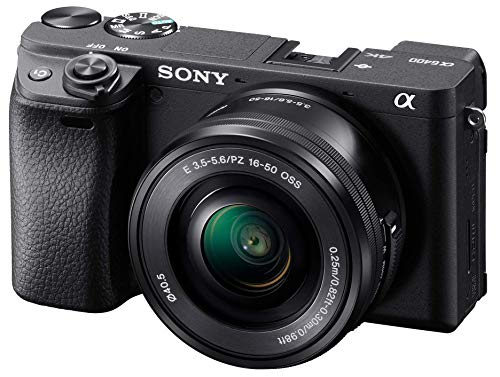


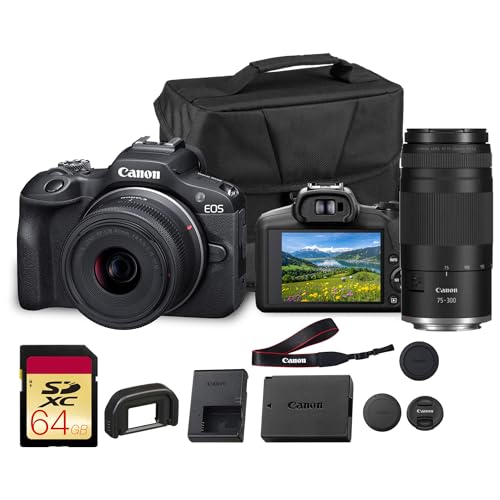
Buying Guide: What to Look for in a Mirrorless Camera
Sensor Size and Resolution
The sensor is the heart of any mirrorless camera. Full-frame sensors (like the one in the Sony Alpha 7 IV Full-frame Mirrorless) offer superior low-light performance and shallower depth of field, while APS-C sensors (found in most Canon and Nikon models) provide an excellent balance of image quality and portability. Resolution matters too: 24 megapixels is the sweet spot for most photographers, but the Sony Alpha 7 IV’s 33MP sensor gives you extra cropping flexibility.
Autofocus Performance
Modern mirrorless cameras excel at autofocus, but not all systems are equal. Look for cameras with phase-detection points covering a large portion of the sensor and robust subject tracking. Canon’s Dual Pixel CMOS AF II and Sony’s Real-Time Eye AF are among the best. The Canon EOS R50 Mirrorless Camera with 18-45mm Lens even uses deep learning to detect animals and vehicles, making it a fantastic choice for action shots.
Video Capabilities
If you plan to shoot video, pay attention to recording formats and frame rates. 4K at 60fps is becoming standard, but oversampled 4K (like the 6K oversampling on the Canon EOS R10) produces noticeably sharper footage. Many cameras also offer 10-bit color for richer grading, and features like vertical video support are a boon for social media creators. The Nikon Z50 II includes a built-in flash and product review mode, making it a versatile tool for hybrid shooters.
Lens Ecosystem and Bundles
Your camera is only as good as the glass in front of it. Canon’s RF mount has grown rapidly, with everything from compact kit lenses to fast primes. Sony’s E-mount boasts the largest selection of native lenses. Bundles like the Nikon Z50 II with Two Lenses give you a versatile zoom range out of the box. For beginners, a kit with a standard zoom (18-45mm or 16-50mm) plus a telephoto zoom (like 55-210mm or 75-300mm) offers incredible value. Learn more about beginner-friendly options in our best mirrorless cameras for beginners.
Final Thoughts
Choosing the best mirrorless camera ultimately comes down to your personal needs and budget. For vloggers and beginners who prioritize ease of use and outstanding autofocus, the Canon EOS R50 Mirrorless Camera with 18-45mm Lens delivers excellent image quality in a lightweight package. If you’re a more advanced shooter seeking full-frame performance and professional-grade video, the Sony Alpha 7 IV Full-frame Mirrorless is a powerhouse that will serve you for years to come. Whichever you choose, you’ll be thrilled with the jump in quality over a smartphone.
Frequently Asked Questions
What is the best mirrorless camera for beginners in 2026?
The Canon EOS R50 and the Nikon Z50 II are excellent entry-level options. Both offer intuitive controls, good autofocus, and 4K video. The Canon’s Creative Assist mode makes it especially beginner-friendly.
How does a mirrorless camera differ from a DSLR?
Mirrorless cameras are more compact because they don’t have a mirror box. They offer real-time exposure previews in the electronic viewfinder and often have faster burst rates and better video features. Many professionals now prefer mirrorless over DSLRs.
Can I use my old DSLR lenses on a mirrorless camera?
Yes, with an adapter. Canon’s EF to RF adapter works well, and Sony offers LA-EA adapters for A-mount lenses. Autofocus performance may vary, but for stills and video, adapters are a great way to save money while transitioning.
What is the best mirrorless camera for video recording?
The Sony Alpha 7 IV stands out with 4K 60p 10-bit 4:2:2 and S-Cinetone color science. The Canon EOS R10 offers oversampled 4K up to 60fps and high frame rate HD for slow motion. Both are strong choices for video work.




