

You’ve decided to step up from your smartphone and buy your first real camera. The options can feel overwhelming, but mirrorless cameras offer the perfect blend of portability, image quality, and ease of use for beginners. In this guide, we’ve evaluated the top entry level mirrorless cameras of 2026 to help you find the model that fits your creative goals and skill level.
Whether you’re capturing family moments, starting a vlog, or exploring landscape photography, we’ve got you covered. We’ve assessed each camera’s autofocus, image quality, video capabilities, and overall value to make your decision easier. Let’s dive into our top picks.



Buying Guide: What to Look for in an Entry Level Mirrorless Camera
Before you commit to a camera, it’s important to understand a few key factors that will affect your experience. Here are the essentials to consider when choosing your first mirrorless camera.
Image Quality and Sensor Size
The sensor is the heart of any camera. Most entry level mirrorless cameras use an APS-C sensor, which is larger than a smartphone’s sensor and delivers better low-light performance, more detail, and beautiful background blur. Look for a camera with at least 20 megapixels to ensure sharp, high-resolution images.
A larger sensor also gives you more creative control over depth of field, allowing you to achieve that professional-looking bokeh effect in portraits. For most beginners, an APS-C sensor is the sweet spot between quality and affordability.
Autofocus Performance
Autofocus is crucial for capturing sharp images, especially when photographing moving subjects like kids or pets. Modern mirrorless cameras offer advanced features like eye detection and subject tracking, which automatically lock onto faces or animals. These features make it easier than ever to get in-focus shots without fiddling with manual settings.
When comparing cameras, check the number of autofocus points and whether the system supports real-time tracking. A camera with reliable autofocus will save you from countless missed shots and frustration.
Video Capabilities
If you plan to shoot video, consider the camera’s video resolution, frame rates, and stabilization. 4K recording is now standard on most entry level models, but some offer higher frame rates for smooth slow-motion. Built-in image stabilization helps reduce shakiness when shooting handheld, which is a lifesaver for vloggers.
Also, check if the camera has a flip-out screen, which makes framing yourself easier when recording solo. Some cameras even offer dedicated video modes that optimize settings for cinematic results.
Lens Selection and Expandability
One of the biggest advantages of mirrorless cameras is the ability to change lenses. A kit lens, like an 18-45mm zoom, is perfect for everyday shooting, but you’ll eventually want to expand your kit with a prime lens or telephoto. Check the brand’s lens lineup and compatibility with third-party options.
For beginners, a camera with a solid selection of affordable lenses is a smart choice. This allows you to grow your skills without breaking the bank. Consider what type of photography you’re most interested in and ensure the system has lenses that support that passion.
If you’re also into organizing your gear, you might appreciate our guide on makeup organizers that can double as camera bags. And for outdoor shoots, check out our car jump starter recommendations to keep your vehicle ready for any adventure.
Final Thoughts
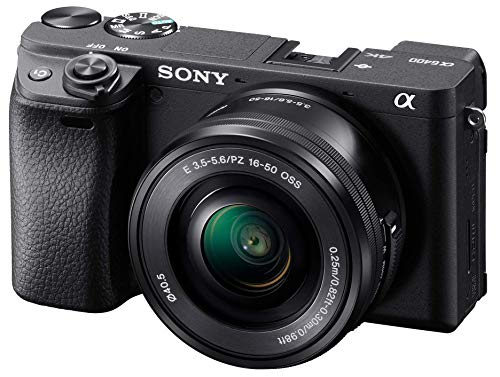
Choosing the right entry level mirrorless camera comes down to your specific needs and budget. For a versatile all-rounder with excellent autofocus and a dual-lens kit, the Nikon Z50 II with Two Lenses is a fantastic choice. If you prioritize portability and a proven autofocus system, the Sony Alpha a6400 Mirrorless Camera is a compact powerhouse. Both cameras will serve you well as you embark on your photography journey.
Frequently Asked Questions
What is the best entry level mirrorless camera for beginners in 2026?
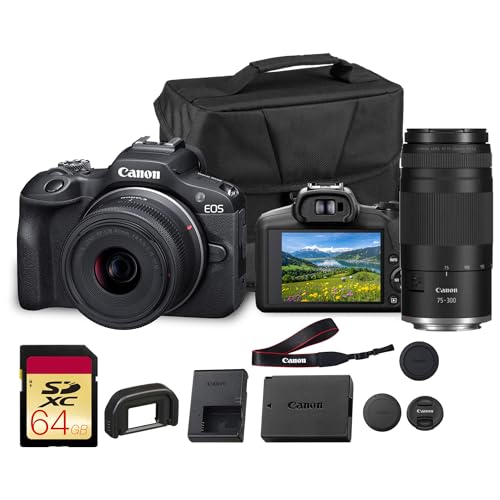
For most beginners, the Canon EOS R100 offers a great balance of ease of use and image quality, while the Nikon Z50 II provides more advanced features like a variety of color presets. Ultimately, the best choice depends on your budget and whether you prefer a simple or more feature-rich camera.
Are entry level mirrorless cameras good for video?
Yes, most entry level mirrorless cameras record 4K video and offer features like autofocus tracking and flip screens, making them excellent for vlogging and casual video projects. Models like the Sony a6400 are particularly praised for their video performance.
How much should I spend on my first mirrorless camera?
Entry level mirrorless cameras typically range from a few hundred to over a thousand dollars. The key is to focus on features that matter to you, such as autofocus, lens selection, and video quality, rather than the price tag alone.
Can I use my old DSLR lenses on a mirrorless camera?
Many mirrorless cameras come with an adapter that allows you to use existing DSLR lenses, but autofocus and image stabilization may be limited. It’s often more practical to invest in native mirrorless lenses for the best performance.




