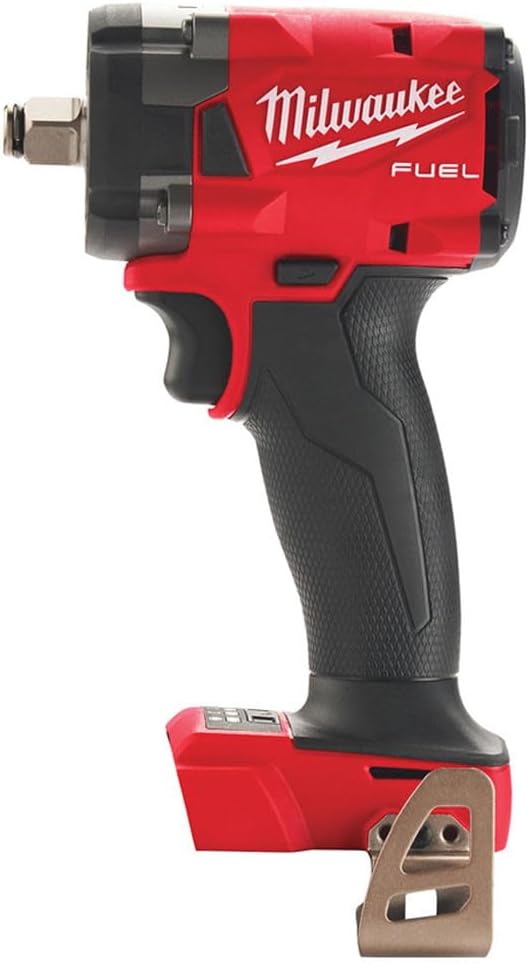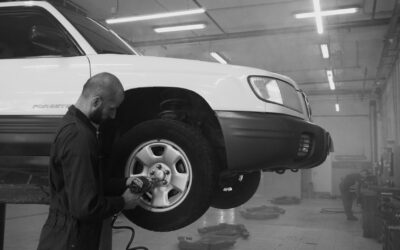
An impact wrench for automotive work is a high-torque tool designed to loosen or tighten fasteners like lug nuts, suspension bolts, and engine components with minimal effort. Its combination of rotational force and concussive blows makes it far more effective than a standard ratchet or breaker bar, especially on rusted or overtightened bolts. Understanding the key factors that affect performance will help you select the right tool for your specific tasks.


Pros
- Exceptional torque for the price, easily handles stubborn nuts.
- Large 4.0Ah batteries provide long runtime and charge quickly.
- Comprehensive accessory set saves money on separate purchases.
- Lightweight and ergonomic design reduces user fatigue.
- Reverse auto-stop feature adds safety during use.
Cons
- Some units may arrive with defects or appear used based on customer feedback.
- Instruction manual is poorly translated and can be confusing.
- Build quality feels slightly less premium than higher-end brands.
The PAOWAFOL impact wrench set is a powerful, cordless solution for DIY enthusiasts and home mechanics who need to tackle tough fasteners. With a maximum torque of 516 ft-lbs (700 N.m) and a brushless motor, it is designed to handle lug nuts, bolts, and other heavy-duty tasks on cars, motorcycles, and around the house.
Standout features include four adjustable speed modes and a reverse automatic stop function that prevents nuts from flying off once loosened. The included two 4.0Ah batteries provide ample runtime for multiple tire rotations or extended projects, and the fast charger refills them in about three hours. Real-world performance is strong, with many users reporting it easily removes rusted or overtightened nuts.
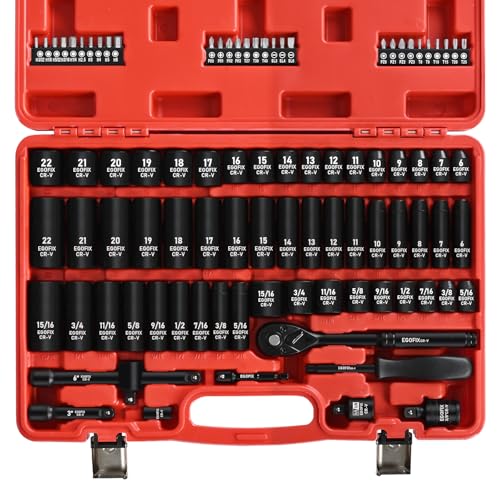
The build quality is solid for its price point, featuring an alloy aluminum housing and a comfortable grip. The kit is exceptionally complete, including 22 drill bits, four impact sockets (14/17/19/21mm), a ratchet wrench, and various other accessories, all stored in a durable suitcase. The LED light is a practical addition for low-light conditions.
However, some customers have reported receiving units that appear used or have motor issues, suggesting quality control may be inconsistent. The instruction manual is poorly translated and can be confusing, though the tool is intuitive to operate once you ignore the manual. These are common trade-offs at this price level.
Overall, the PAOWAFOL impact wrench set offers outstanding value for budget-conscious buyers who need a reliable tool for occasional to moderate use. It is especially recommended for DIY car maintenance, home repair, and as a gift for men who work on their own vehicles. If you can accept minor quirks in documentation, this set is a smart purchase.

Pros
- Compact yet powerful with 600Nm torque.
- Brushless motor for durability and less maintenance.
- Fast charging 4.0Ah battery with indicator.
- Versatile for automotive, construction, and home repairs.
- Includes essential sockets and portable case.
Cons
- No user reviews yet, so long-term reliability is unproven.
- Only one battery included; heavy users may want a spare.
- Torque rating may be lower than professional-grade tools.
The AOBEN cordless impact wrench is a budget-friendly 1/2-inch tool designed for DIYers and home mechanics. It delivers up to 600Nm of torque, suitable for removing lug nuts and light construction fasteners.
Its brushless motor and compact body make it more efficient and easier to handle than many competitors. The included 4.0Ah battery provides ample runtime for most tasks, and the fast charger minimizes downtime.
The tool feels solid with a rubberized grip, and the built-in LED illuminates work areas. The kit comes in a blow-molded case with six sockets, though the sockets may not be the highest quality.
As a new brand with no customer reviews, there is some uncertainty about durability. Additionally, the torque is on the lower end compared to professional impact wrenches, and only one battery is included.
For the price, the AOBEN impact wrench offers good value for occasional use. If you need a reliable tool for light to medium tasks and are willing to take a chance on a lesser-known brand, it's worth considering.

Torque and Power Requirements
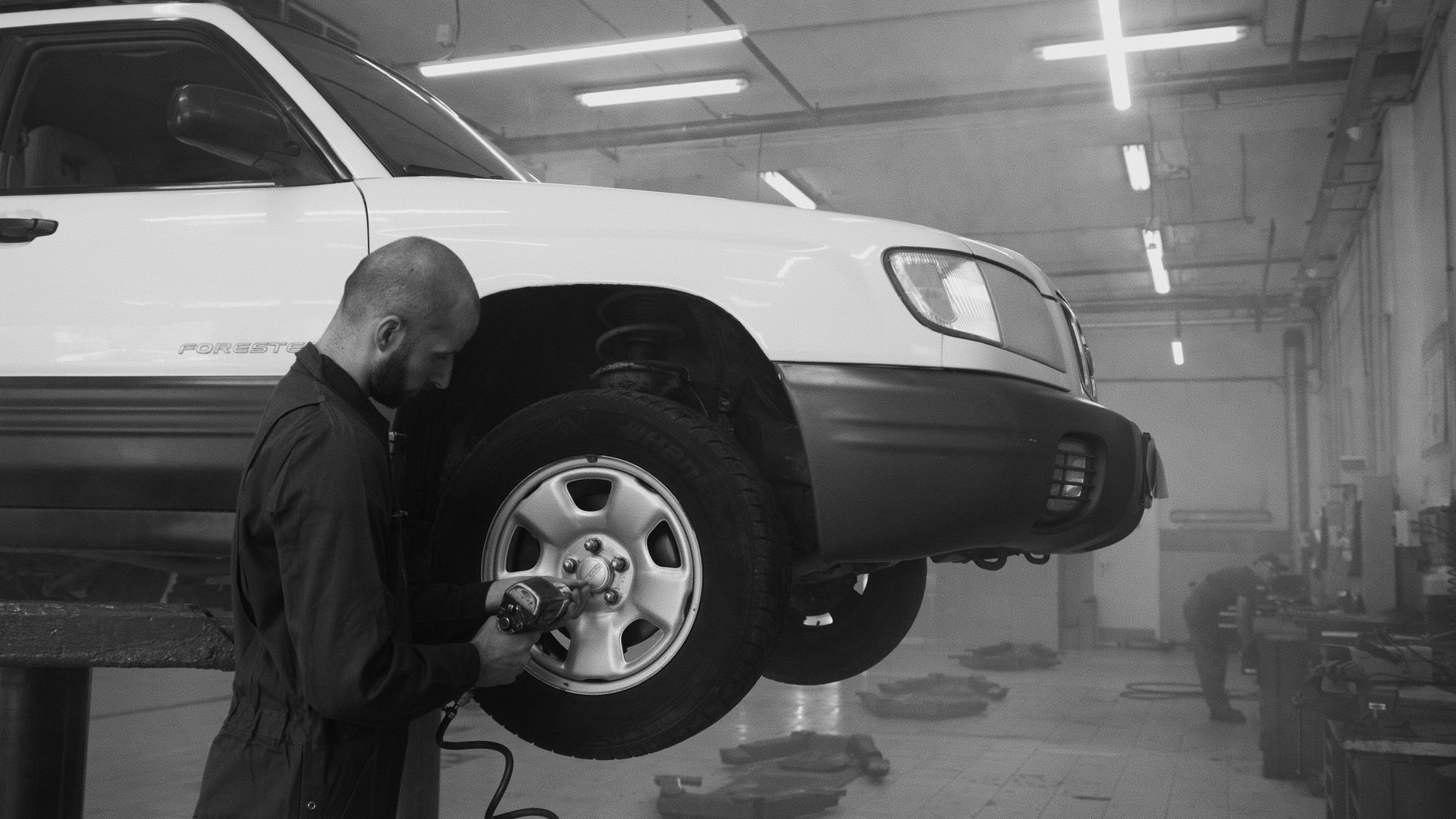
Torque is the most critical specification for an impact wrench. For most automotive work, you need a tool that delivers between 300 and 600 foot-pounds of nut-busting torque. Lug nuts on passenger vehicles typically require 80 to 100 foot-pounds, but suspension and drivetrain bolts often need much more. A wrench with insufficient torque will struggle with stubborn fasteners, while excessive torque can damage threads or components.
Torque ratings vary by power source and design. Cordless models have improved dramatically in recent years, but pneumatic wrenches still offer the highest peak torque for heavy-duty jobs. Always check the manufacturer’s torque specifications for your vehicle to avoid overtightening.
Drive Size: Choosing the Right Fit
The drive size determines which sockets the wrench accepts. A 1/2-inch drive is the most common for automotive work, providing a good balance of torque and socket availability. For lighter tasks like interior trim or small engine work, a 3/8-inch drive is sufficient and offers better access in tight spaces.
1/4-inch drive wrenches are rarely used in automotive settings except for precision work. If you plan to work on a variety of vehicles, a 1/2-inch drive is the safest starting point. Many professional mechanics keep both a 1/2-inch and a 3/8-inch model for flexibility.
Power Source: Cordless, Pneumatic, or Electric
Cordless impact wrenches have become the go-to choice for most automotive work due to their portability and convenience. Modern lithium-ion batteries deliver torque comparable to pneumatic tools, and you can take them anywhere. Look for a wrench with a brushless motor for longer runtime and durability.
Pneumatic (air) wrenches remain popular in professional shops because they offer consistent power without battery concerns. They require an air compressor, which adds cost and limits mobility. Electric corded wrenches offer unlimited runtime but are less common due to the cord’s inconvenience.
Weight and Ergonomics
Automotive work often involves extended periods of holding the tool overhead or in awkward positions. A heavy impact wrench can lead to fatigue and reduced control. Look for a model that balances power with weight, typically between 4 and 7 pounds for cordless models.
Features like a rubberized grip, compact head, and balanced design make a significant difference. If you work on tight engine bays, consider a compact or mid-torque wrench rather than a full-size high-torque model.
Anvil Type: How Sockets Stay Attached
The anvil is the part that holds the socket. Common types include the pin detent, hog ring, and friction ring. Pin detent anvils use a spring-loaded pin to lock the socket in place, offering the most secure retention but requiring a tool to remove the socket. Hog ring anvils use a snap ring that holds sockets firmly but allows quick changes.
For automotive work, hog ring anvils are popular because they balance security and speed. Friction ring anvils are less common but work well for low-torque applications. The anvil type also affects socket compatibility, so check before buying.
Additional Features That Matter
Variable speed triggers allow you to control torque output, which is useful for delicate jobs. Many modern wrenches also offer multiple speed modes and a reverse mode for driving fasteners. Built-in LED lights help illuminate dark work areas, while a belt hook or tool bag adds convenience.
Consider the availability of replacement batteries and chargers if you go cordless. Some brands offer voltage compatibility across their tool line, which can save money if you already own other tools.
How to Choose the Right Impact Wrench for Automotive Work
- Determine the torque range you need based on the vehicles you work on.
- Select a drive size: 1/2-inch for general use, 3/8-inch for tighter spaces.
- Decide between cordless, pneumatic, or electric based on your workspace and mobility needs.
- Check the weight and ergonomics, especially if you work overhead or for long periods.
- Choose an anvil type that matches your preference for socket changes.
- Look for variable speed and other features that improve control and convenience.
Once you have the right impact wrench, you may also want to consider other essential automotive tools. For example, a reliable tire inflator is a great companion for quick tire pressure checks after rotating tires. Check out our guide on the best tire inflator for pickup truck to keep your vehicle in top shape.
Frequently Asked Questions
What size impact wrench is best for automotive work?
A 1/2-inch drive impact wrench is the most versatile for automotive work. It handles everything from lug nuts to suspension bolts. For tight spaces, a 3/8-inch drive is a good secondary option.
How much torque do I need for an impact wrench on a car?
For most passenger vehicles, 300 to 450 foot-pounds of nut-busting torque is sufficient. For heavy-duty trucks or stubborn rusted bolts, look for a wrench with at least 500 foot-pounds.
Can I use an impact wrench to remove lug nuts?
Yes, impact wrenches are designed for lug nuts. Use a torque stick or a torque wrench to tighten them to the manufacturer’s specification to avoid over-tightening.
What is the difference between an impact wrench and an impact driver?
An impact wrench is built for high torque on large fasteners, typically using a square drive for sockets. An impact driver uses a hex collet for bits and is designed for driving screws and smaller bolts.
Related Guides
Final Thoughts
Choosing the right impact wrench for automotive work comes down to matching torque, drive size, and power source to your specific tasks. Once you have the right tool, maintaining your vehicle becomes faster and safer. For more automotive tool recommendations, explore our automotive category for reviews and guides.