What Is a Cordless Ratchet for Mechanics?
A cordless ratchet for mechanics is a battery-powered tool that combines the convenience of a standard ratchet with electric torque. It allows you to quickly fasten or loosen bolts in tight engine bays, undercarriages, and other confined spaces where a full-sized impact wrench won’t fit. Mechanics choose cordless ratchets because they reduce hand fatigue, speed up repetitive tasks, and provide consistent power without the need for an air compressor.

Pros
- Compact and lightweight for easy maneuvering in tight spaces.
- Variable speed trigger provides excellent control for different applications.
- Recessed switch design enhances safety and prevents accidental starts.
- LED light and fuel gauge improve usability in low-light conditions.
Cons
- Battery and charger not included, requiring separate purchase.
- Limited torque at 35 ft-lbs may not suit heavy-duty fastening tasks.
- Plastic components may feel less durable than all-metal alternatives.
The Milwaukee 2457-20 M12 Cordless 3/8" Sub-Compact Ratchet is a purpose-built tool for mechanics and DIYers who need to access tight spaces like engine bays. With a 35 ft-lbs torque rating and 250 RPM speed, it strikes a balance between power and precision for most automotive and maintenance tasks.
Its standout feature is the low-profile head design, which allows the ratchet to fit where standard tools cannot. The recessed forward/reverse switch prevents accidental actuation, a thoughtful touch for professionals focused on critical work. The onboard fuel gauge and integrated LED light further enhance usability in dim conditions.
Build quality is typical Milwaukee: a mix of alloy steel and durable plastic keeps weight at 16 ounces while maintaining strength. The Redlink Intelligence system ensures the tool communicates with M12 batteries to prevent overheating, extending both tool and battery life. However, the plastic housing may not feel as premium as full-metal competitors.
One drawback is that the battery and charger are sold separately, adding to the initial cost. Also, the 35 ft-lbs torque is sufficient for light to medium fastening but may struggle with stubborn bolts. Users should pair it with a high-capacity M12 battery for best performance.
Overall, the Milwaukee 2457-20 is an excellent investment for anyone who frequently works in confined spaces. Its compact design, safety features, and smart electronics make it a reliable addition to any toolbox. For the price, it delivers exceptional value and convenience.

Pros
- Excellent value for money compared to premium brands like Milwaukee or Snap-On.
- Sufficient torque for most automotive tasks without over-tightening bolts.
- Long battery life from two included 2000mAh batteries.
- Comfortable grip and lightweight design reduces fatigue.
- LED light and battery indicator enhance usability in low-light conditions.
Cons
- Torque limited to 40 ft-lbs may not be enough for heavy-duty lug nuts or rusted bolts.
- Battery charger is basic and charges slowly compared to rapid chargers.
- Sockets included are metric only; SAE sockets not provided.
The AOBEN Cordless Electric Ratchet Wrench Set is a 12V tool designed for DIY mechanics and home garage enthusiasts. It combines a compact 3/8-inch drive with 40 ft-lbs of torque and 280 rpm, making it perfect for assembly and disassembly tasks in tight spaces.
This ratchet set includes two 2000mAh lithium-ion batteries, which provide ample runtime for most jobs. Users report it handles brake caliper removal, suspension work, and engine bay fasteners with ease. The variable-speed trigger allows for precise control, and the built-in LED light helps illuminate dark work areas.
The tool features a metal head and polished finish, with a backward switch to prevent accidental operation. The air-cooled motor and heat-sinking keep temperatures stable during extended use. The included carry case and socket set add convenience, though the case is basic.
A potential limitation is the 40 ft-lb torque, which may struggle with heavily rusted bolts or large fasteners. The charger is slow, and the set only includes metric sockets, so users with SAE fasteners may need additional adapters. However, for the price, these are minor trade-offs.
Overall, the AOBEN cordless ratchet offers exceptional value for its price. It is a reliable tool for light to medium-duty tasks and has earned high praise from thousands of users. For anyone looking to save money over premium brands, this is a solid choice.

Pros
- Excellent power-to-size ratio, outperforms many pneumatic ratchets in tight spaces
- Lightweight and portable, easy to carry in a tool belt
- Durable build quality with reinforced metal housing
- LED light and fuel gauge add convenience on the job
- Great value for the price compared to competitors
Cons
- Battery and charger are included but battery is sold separately for replacements
- May not have enough torque for heavy-duty lug nuts or seized bolts
- Some users may prefer a longer battery runtime for extended use
The Milwaukee 2457-21 M12 Cordless 3/8-inch Ratchet Kit is a sub-compact power tool designed for auto mechanics, maintenance professionals, and DIY enthusiasts who need reliable performance in confined spaces. With a 12-volt motor delivering up to 35 ft-lbs of torque and 250 RPM, it offers the speed and power of a pneumatic ratchet without the hassle of air hoses.
Standout features include a reinforced steel housing and metal trigger for durability, an integrated LED light for dark work areas, and an on-board fuel gauge to monitor battery charge. Users consistently praise its time-saving ability, especially for repetitive tasks like removing underbody panels or working in engine bays. The compact size (10-3/4 inches) and lightweight design (1.9 lbs) make it easy to carry and maneuver.
Real-world performance is strong: it handles most automotive fasteners with ease, and the variable-speed trigger offers excellent control. The included M12 REDLITHIUM battery and 30-minute charger provide quick turnaround, though some users note that the battery is sold separately for replacements. The tool feels solid and well-built, living up to Milwaukee's reputation for quality.
Potential drawbacks include limited torque for heavy-duty applications like removing large lug nuts, and the battery life may be a concern for prolonged use without a spare pack. However, for its intended use in tight spaces and light to medium fastening tasks, it excels.
Overall, the Milwaukee 2457-21 is a top choice for anyone seeking a compact, durable cordless ratchet that saves time and effort. Its combination of power, portability, and build quality makes it a valuable addition to any toolbox, especially for automotive and repair work.

Pros
- Excellent value for the price, offering a comprehensive kit that rivals more expensive brands.
- Solid torque for most automotive and household tasks, as confirmed by thousands of positive reviews.
- Comes with a wide variety of sockets and extensions, eliminating the need to buy additional tools.
- Comfortable grip and lightweight design reduce fatigue during extended use.
- LED battery indicator helps you monitor charge level, so you can plan recharges.
Cons
- Maximum torque may not be sufficient for heavy-duty or rusted bolts found in professional shops.
- Battery life could be limiting for all-day use on demanding projects, though two batteries help.
- Charger is basic and may take a few hours to fully recharge a depleted battery.
The AOBEN Cordless Ratchet Wrench Kit is a 3/8 inch electric ratchet designed for DIY enthusiasts, home mechanics, and light professional use. With a compact head and ergonomic grip, it excels in tight spaces like engine bays, under dashboards, or around furniture assembly. It offers a powerful 40 ft-lbs of torque and a 280 RPM no-load speed, making it a capable replacement for manual ratchets in many tasks.
In real-world use, the ratchet delivers consistent performance. Users report that it easily handles brake jobs, suspension work, and general fastening. The variable speed trigger allows controlled operation, and the forward/reverse switch with lock prevents accidental starts. The two included 2000mAh batteries provide enough runtime for most jobs, and the LED work light is a thoughtful addition for dark environments.
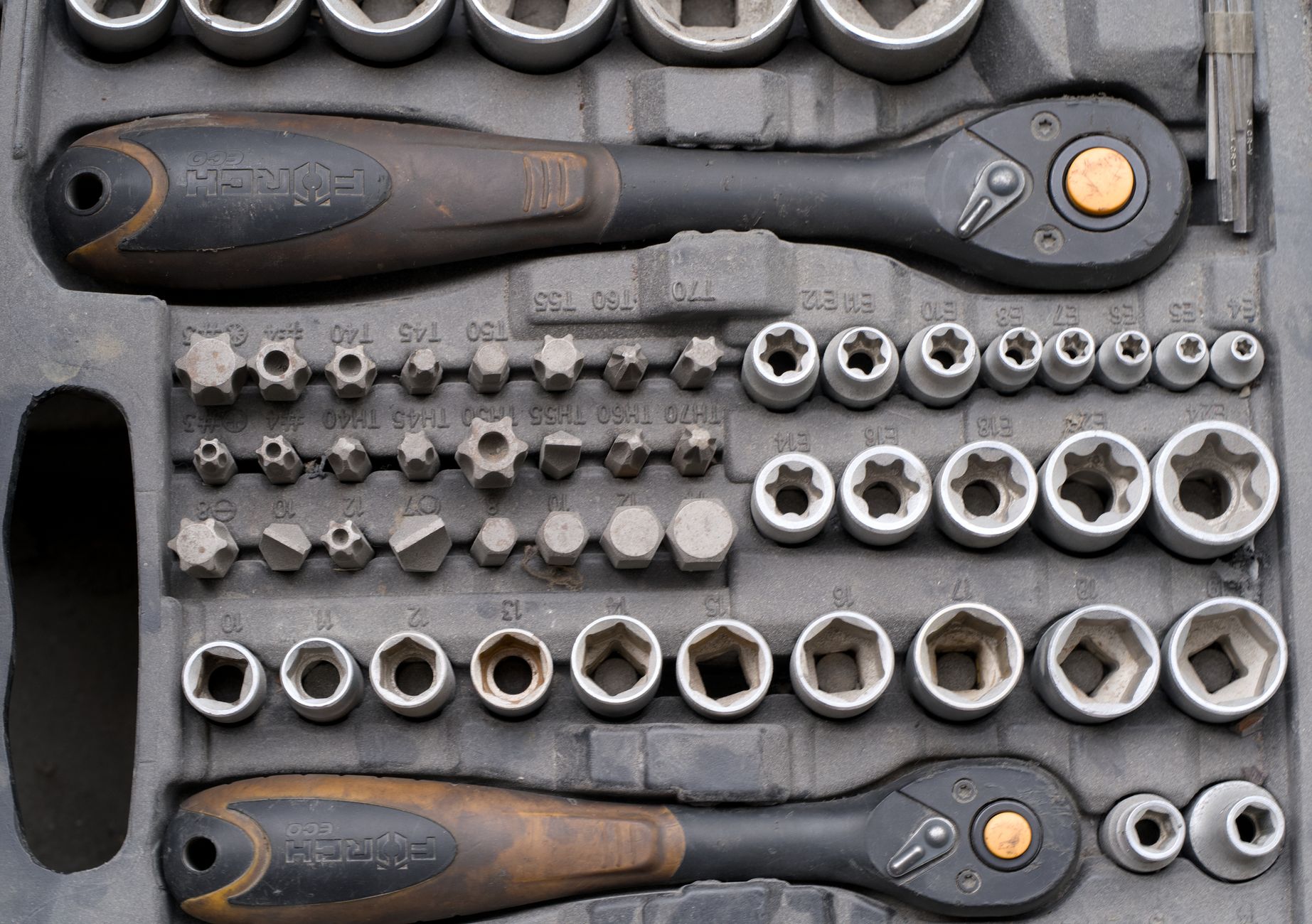
Build quality is solid for its price point. The metal head and polished finish feel durable, though the plastic housing on the handle is typical for this class of tool. The kit includes an impressive 83 sockets and three extension bars, covering SAE, metric, Torx, and hex sizes. The hard carrying case keeps everything organized and portable.
Potential drawbacks include limited torque for heavy-duty applications, such as breaking loose extremely rusted bolts. The charger is basic and not particularly fast. Some users may prefer a smaller head profile for ultra-tight spaces, but overall the design is well-optimized for accessibility.
Overall, the AOBEN Cordless Ratchet Wrench Kit is a fantastic value. It provides reliable performance, a comprehensive accessory set, and features that enhance usability. For hobbyists and professionals on a budget, it is a smart investment that competes well with more expensive brands. Highly recommended for anyone who wants to save time and effort on fastening tasks.

Why Mechanics Prefer Cordless Ratchets
Manual ratchets work well for occasional use, but professional mechanics often face hundreds of fasteners daily. A cordless ratchet automates the twisting motion, cutting time per bolt by several seconds. Over a full shift, those seconds add up to significant time savings. The tool also delivers a steady torque output, so you don’t have to worry about stripping threads or under-tightening.
Another advantage is portability. Without a hose or cord, you can move freely around a vehicle, reach awkward angles, and work in driveways or parking lots without needing an electrical outlet. This makes cordless ratchets invaluable for mobile mechanics and weekend DIYers alike.
Key Features to Consider in a Cordless Ratchet for Mechanics
Torque and Speed
Torque determines how much twisting force the ratchet can apply. For most automotive work, a range of 30 to 60 foot-pounds is sufficient for small to medium bolts. Speed, measured in no-load RPM, affects how fast you can run a nut down the threads. Higher speeds (e.g., 250+ RPM) are ideal for fasteners that don’t require high torque, like plastic trim or interior panels.
Battery System and Compatibility
Most cordless ratchets use the same battery platform as other tools from the same brand. If you already own a set of power tools, stick with that brand to share batteries and chargers. Battery voltage typically ranges from 12V to 20V. Higher voltage generally means more power, but also more weight. For a ratchet, a 12V or 18V battery often provides a good balance of performance and portability.
Ergonomics and Build
Since you’ll be using the ratchet in tight spaces, a compact head and a comfortable grip matter. Look for a tool with a slim profile, a rubberized handle, and a well-balanced design. Weight is also a factor; a heavy ratchet can cause fatigue during extended use. Many models now feature brushless motors, which are more efficient and durable than brushed types.
How to Choose the Right Cordless Ratchet for Mechanics
- Assess the typical tasks you perform: engine work, suspension, interior, or general maintenance. This determines the torque and speed you need.
- Check the battery platform you already use. Stick with the same brand to avoid buying new chargers and batteries.
- Test the ergonomics in person if possible. A ratchet that feels awkward in your hand will slow you down.
- Read user reviews from other mechanics, focusing on durability, battery life, and real-world torque.
- Consider the tool’s head size and angle. A compact head with a 180-degree swivel head allows access to the most confined spaces.
Once you have a shortlist, compare the specific models side by side. For detailed comparisons and real user experiences, check our automotive category page for reviews of the latest cordless ratchets.
Frequently Asked Questions
Can a cordless ratchet replace a manual ratchet?
No, a cordless ratchet is a complement, not a replacement. It excels at repetitive fastening and loosening, but you still need a manual ratchet for final tightening, breaking stubborn bolts, or working in extremely tight spots where the tool’s head is too large.
How long does a cordless ratchet battery last?
Battery life depends on the amp-hour rating and the load. A typical 3Ah battery lasts about 30 to 60 minutes of continuous use under moderate load. For intermittent use, you can expect a full day of light work. Always carry a spare battery for extended jobs.
Are cordless ratchets powerful enough for lug nuts?
Most cordless ratchets do not have enough torque to remove or install lug nuts. For that task, you need an impact wrench, which delivers higher torque in a hammering action. Use a ratchet only for smaller fasteners like those on brackets, covers, or engine components.
What is the difference between a cordless ratchet and an impact wrench?
A cordless ratchet provides a constant twisting motion, while an impact wrench delivers short, high-torque bursts via a hammer mechanism. Ratchets are quieter, lighter, and better for precise work. Impact wrenches are for heavy-duty tasks like lug nuts or suspension bolts.
Related Guides
Final Thoughts
A cordless ratchet for mechanics is a valuable addition to any toolbox, saving time and reducing fatigue on repetitive fastening jobs. Focus on torque, battery compatibility, and ergonomics when choosing one. For in-depth reviews of specific models, visit our automotive section for the latest comparisons.