

You’re standing on a misty trail at dawn, the golden light filtering through the trees, and a deer steps into the clearing. Your phone is in your pocket, but your hands are shaking, not from the cold, but from the fear that you’ll miss this moment. If you’re serious about capturing nature’s fleeting beauty, a dedicated mirrorless camera is the tool you need. This guide is for hikers, birdwatchers, and landscape lovers who want a camera that can keep up with their adventures without weighing them down.
We’ve evaluated the top mirrorless cameras for nature photography in 2026, focusing on key features like autofocus speed, weather resistance, and image quality. Whether you’re a beginner or a seasoned pro, our curated list will help you find the perfect companion for your outdoor explorations. If you’re also curious about compact options for travel, check out our guide to compact cameras for gigs for more portable choices.




Buying Guide: What to Look for in a Nature Mirrorless Camera
Autofocus Performance for Moving Subjects
Nature photography often means capturing animals in motion, whether it’s a bird taking flight or a fox darting through the underbrush. A fast and accurate autofocus system is crucial. Look for cameras with advanced phase-detection points and subject tracking. The Sony Alpha a7 III, for instance, boasts 693 phase-detection points that cover 93% of the frame, ensuring your subject stays sharp even when it’s on the move.
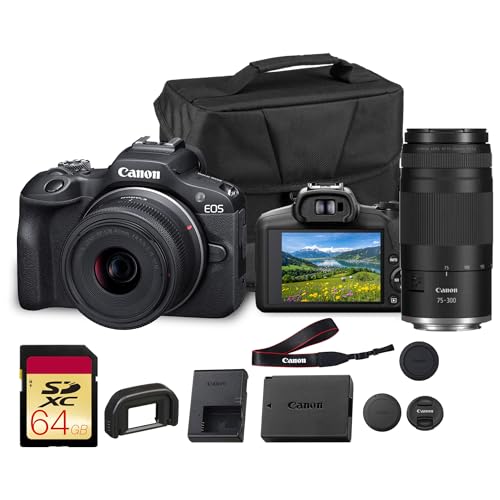
Eye detection for animals is a game-changer, allowing you to lock focus on a bird’s eye with precision. Canon’s Dual Pixel CMOS AF, found in the EOS R100 and R6 Mark II, is renowned for its reliability. For more on stabilization, you might also enjoy our best vlogging camera with stabilization article, which highlights the importance of steady shots.
Weather Sealing and Build Quality
Nature doesn’t pause for a rain shower or a dusty trail. Your camera needs to withstand the elements. Weather-sealed bodies protect against moisture and dust, allowing you to shoot confidently in challenging conditions. The Canon EOS R6 Mark II is built with this in mind, featuring robust sealing that keeps your gear safe when the weather turns.
While many entry-level models like the Canon EOS R100 may lack extensive sealing, they are still compact and lightweight, making them easy to pack and carry. For more rugged adventures, consider investing in a weather-proof camera. If you’re looking for a camera that can handle action, our best action camera for beginners guide offers alternative rugged options.
Lens Selection and Versatility
The lens you choose is just as important as the camera body. For nature photography, a versatile zoom range is essential. The Canon EOS RP kit includes an RF 24-105mm lens, perfect for everything from wide-angle landscapes to close-up details. Meanwhile, the Canon EOS R100 bundle offers both an 18-45mm and a 75-300mm lens, giving you the flexibility to shoot both sweeping vistas and distant wildlife.
Consider the type of nature photography you enjoy most. If you’re into macro shots of flowers and insects, look for lenses with high magnification. If wildlife is your passion, a telephoto lens with a long reach is a must. The Sony a7 III’s 28-70mm lens is a good start, but you may want to expand your kit with additional lenses over time.
Image Quality and Low-Light Performance
Nature photography often happens during the golden hours of sunrise and sunset, when light is soft but dim. A camera with a full-frame sensor, like the Sony Alpha a7 III or Canon EOS R6 Mark II, excels in low-light conditions, producing clean images with minimal noise. These sensors also offer a wide dynamic range, allowing you to capture detail in both shadows and highlights.
For those on a budget, the APS-C sensor in the Canon EOS R100 still delivers impressive results, especially in good light. However, if you often shoot in challenging lighting, investing in a full-frame model will pay off. For more insights into camera sensors, you might find our cameras category page helpful as a starting point.
Final Thoughts
Choosing the best mirrorless camera for nature photography ultimately depends on your specific needs and budget. For the serious enthusiast who wants a rugged, high-performance body with excellent autofocus and weather sealing, we highly recommend the Canon EOS R6 Mark II Mirrorless Camera (Body Only). If you’re looking for a versatile, all-in-one kit that won’t break the bank, the Canon EOS RP Mirrorless Camera RF24-105mm Lens is a fantastic choice. Both cameras will serve you well on your next outdoor adventure, capturing the beauty of nature with stunning clarity.
Frequently Asked Questions
What is the best mirrorless camera for nature photography in 2026?
In 2026, the Canon EOS R6 Mark II stands out for its exceptional autofocus and weather sealing, making it ideal for wildlife and landscape photography. For a more budget-friendly option, the Canon EOS RP offers excellent image quality and a versatile lens kit.
Do I need a full-frame camera for nature photography?
Not necessarily. While full-frame sensors like those in the Sony a7 III and Canon R6 Mark II provide superior low-light performance and dynamic range, APS-C cameras like the Canon EOS R100 are more affordable and still produce high-quality images. Consider your shooting conditions and budget when deciding.
Can I use my existing Canon lenses on a mirrorless camera?
Yes, with an adapter. Canon’s RF mount is compatible with EF and EF-S lenses via an adapter, allowing you to use your existing glass. This is particularly useful when transitioning from a DSLR to a mirrorless system, saving you money on new lenses.
What is the best lens for wildlife photography on a mirrorless camera?
A telephoto lens with a focal length of 300mm or more is ideal for wildlife, allowing you to capture distant subjects without disturbing them. The Canon RF 75-300mm lens included in the EOS R100 bundle is a great starting point for beginners.


