

You brush twice a day, floss regularly, and visit your dentist. Yet your gums still bleed or feel tender. The culprit might be brushing too hard. Many people apply excessive pressure without realizing it, which can damage enamel and irritate gums. That is where a pressure sensor electric toothbrush changes everything. It alerts you when you press too firmly, helping you clean effectively without causing harm. In this guide, we review the best electric toothbrush with pressure sensor for 2026, covering top picks from Philips Sonicare, Oral-B, and Aquasonic. Whether you have sensitive gums or just want a smarter brushing routine, these models offer the protection and performance you need. For more oral care insights, check out our Beauty category for related product guides.



Buying Guide: What to Look for in an Electric Toothbrush with Pressure Sensor
Pressure Sensor Type and Feedback
The pressure sensor is the star feature, but not all sensors work the same way. Some models use a visual indicator, like a red light or ring that changes color when you brush too hard. Others provide haptic feedback, causing the handle to pulse or vibrate. A few combine both for clearer cues. Consider which feedback style you prefer. Visual alerts are helpful if you can see the toothbrush handle in a mirror. Haptic feedback works well for those who brush with their eyes closed or while multitasking. The Oral-B iO series, for example, uses a smart pressure sensor that slows down the brush speed and shows a red light, giving you immediate, intuitive guidance.
For individuals with sensitive gums or a history of gum recession, a pressure sensor is especially valuable. It trains you to maintain a lighter touch over time. If you have used a manual toothbrush aggressively for years, switching to a model with strong pressure feedback can help break that habit. This feature alone can reduce gum irritation and prevent long-term enamel wear. For more tips on sensitive care, see our guide on best electric shaver for sensitive skin men, which shares similar principles of gentle grooming.
Brushing Technology and Cleaning Modes
Pressure sensors are most effective when paired with advanced cleaning technology. Sonic toothbrushes, like those from Philips Sonicare, use high-frequency vibrations to drive fluid between teeth and along the gumline. Oscillating-rotating models, like Oral-B, combine spinning and pulsating motions to break up plaque. Both approaches are clinically proven to remove more plaque than manual brushing. Look for a toothbrush that offers multiple cleaning modes, such as Daily Clean, Sensitive, and Whitening. This allows you to customize the intensity and motion for your specific needs. A sensitive mode, for instance, reduces power for a gentler experience, while whitening mode may increase speed for stain removal.
Also consider the brush head design. Round brush heads, typical of Oral-B, can reach tight spaces and wrap around each tooth. Sonicare’s elongated heads cover larger surface areas. Both designs are effective, but your choice may depend on your mouth shape and personal comfort. Many models come with multiple brush heads, which saves money over time. For example, the Aquasonic Black Series includes eight DuPont brush heads, providing over two years of supply. This is a practical consideration for long-term value.
Battery Life and Charging Convenience
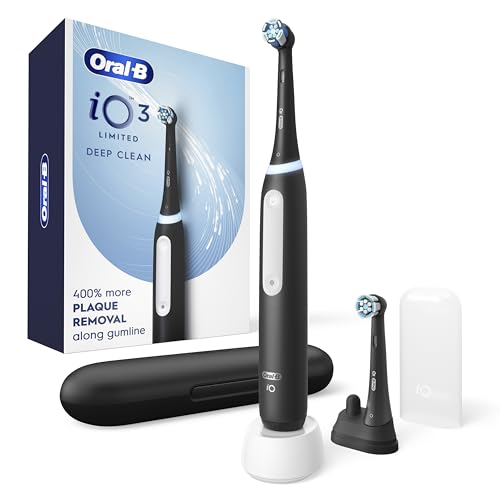
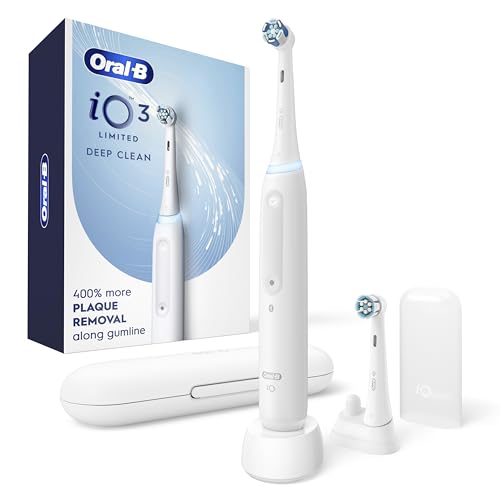
A reliable battery ensures your toothbrush is ready when you are. Most modern electric toothbrushes use lithium-ion batteries that last between one and four weeks on a full charge. Some models, like the Aquasonic Black Series, offer wireless charging for added convenience and a sleek countertop look. Others use a USB charger or a dedicated charging base. If you travel frequently, consider a toothbrush with a long battery life and a travel case. The Oral-B iO Series 3, for instance, includes a durable travel case and a long-lasting charge, making it ideal for trips. A smart timer and quadpacer are also useful features, ensuring you brush for the full two minutes and spend equal time on each quadrant of your mouth.
Battery life can vary based on usage and mode selection. Whitening or high-intensity modes may drain the battery faster. Look for models that provide at least two weeks of regular use. Some toothbrushes also have a brush head replacement reminder, which tracks usage and alerts you when it is time to swap heads. This helps maintain optimal cleaning performance. For more beauty and grooming recommendations, explore our best hair dryer gift set guide for complementary self-care products.
Final Thoughts
Choosing the best electric toothbrush with pressure sensor ultimately comes down to your personal brushing habits and oral health goals. If you want a gentle yet effective clean with intuitive pressure feedback, the Philips Sonicare 4100 Rechargeable Electric offers a reliable haptic pulse that reminds you to ease off without being intrusive, making it a fantastic choice for everyday use. For those who prefer a more interactive experience with visual cues and multiple cleaning modes, the Oral-B iO Series 2 Limited Simple Clean combines a smart pressure sensor with a smooth spinning motion that reaches every corner of your mouth, ideal for maintaining gum health. Both models represent the best in their class for 2026, ensuring you brush smarter, not harder.
Frequently Asked Questions
How does a pressure sensor on an electric toothbrush work?
A pressure sensor detects when you apply too much force while brushing. It then provides feedback, usually through a visual light change, a vibration pulse, or a reduction in brush speed. This alerts you to lighten your pressure, protecting your gums and enamel from damage. Most high-quality models in 2026 include this feature.
Is a pressure sensor necessary for everyone?
While not strictly necessary, a pressure sensor is highly recommended for anyone who tends to brush aggressively, has sensitive gums, or has experienced gum recession. It helps train you to use the correct amount of pressure, which can improve oral health over time. Even gentle brushers can benefit from the added awareness.
Can a pressure sensor toothbrush help with gum disease?
Yes, by preventing over-brushing, a pressure sensor reduces gum irritation and inflammation, which are factors in gum disease. Combined with effective plaque removal, it supports healthier gums. Many models, like those from Oral-B, are clinically shown to improve gum health in as little as one week when used correctly.
How often should I replace the brush head on a pressure sensor toothbrush?
Dentists recommend replacing your brush head every three months, or sooner if the bristles become frayed. Some electric toothbrushes have a brush head replacement reminder that tracks usage and alerts you when it is time. This ensures optimal cleaning performance and hygiene. For more details on maintaining your oral care routine, visit our Beauty category.


