

You have saved up for a new camera, but the choice between Fujifilm and Sony feels overwhelming. Both brands produce exceptional gear, yet each excels in different areas. This guide breaks down the key differences between Fujifilm vs Sony cameras in 2026, focusing on top models like the FUJIFILM X-T5 and the Sony Alpha 7R V. Whether you shoot portraits, landscapes, or video, we will help you pick the system that matches your workflow. For more context on camera selection, check out our guide on the best vlogging camera for the money.




Buying Guide
Image Quality and Sensor Size
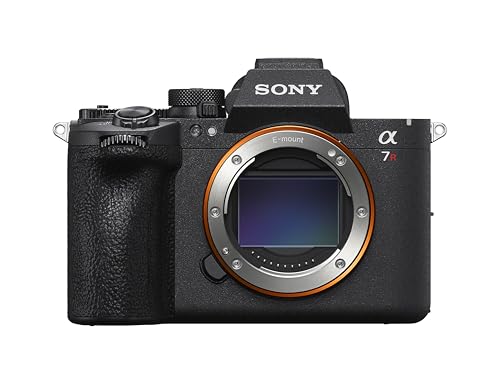
Sensor size and resolution directly affect your final image. Sony’s full-frame sensors, like the 61 MP Exmor R in the Alpha 7R V, deliver incredible detail and dynamic range. Fujifilm’s APS-C X-Trans sensors, such as the 40.2 MP HR BSI in the X-T5, offer a different character with film-like color science. For family photography, you may want a versatile camera that handles various lighting. Read our best vlogging camera for family recommendations for more ideas.
If you prioritize raw resolution and shallow depth of field, Sony’s full-frame lineup is hard to beat. If you prefer a smaller, lighter system with unique color profiles straight out of camera, Fujifilm’s APS-C sensors are a strong contender.
Autofocus and Subject Tracking
Autofocus performance can make or break your shooting experience. Sony’s Real-time Recognition AF, powered by a dedicated AI processing unit, tracks subjects like people, animals, and vehicles with high accuracy. The Alpha a7R VI takes this further with human pose estimation. Fujifilm’s X-T5 uses a 425-point intelligent hybrid AF system that is reliable but not as advanced for fast-moving subjects.
For action or wildlife, Sony’s AF system is a clear advantage. For more deliberate shooting like street or portrait, Fujifilm’s AF is more than adequate. If you shoot video with your smartphone, you might find Sony’s tracking more intuitive. See our best vlogging camera for android guide for related tips.
Video Capabilities
Video recording is a key differentiator between these brands. Sony’s full-frame cameras, like the Alpha 7R V and a7R VI, support 8K recording at 24p/25p and 4K at 60p, with advanced codecs and dynamic range. Fujifilm’s X-T5 records 4K at 30p with film simulations that give a cinematic look without heavy grading.
If you are a hybrid shooter who needs high-resolution video with robust codecs, Sony is the stronger choice. If you prefer a more organic, ready-to-share look with minimal editing, Fujifilm’s video output is very appealing. For security needs, check our best security camera for your door article.
Build, Design, and Portability
Camera size and ergonomics matter when you carry gear all day. Fujifilm’s X-T5 and X100VI are compact, retro-styled bodies with tactile dials and a hybrid viewfinder. Sony’s full-frame bodies, like the Alpha 7R V, are slightly larger but still portable. Fujifilm’s design encourages a slower, more intentional shooting process, while Sony’s layout feels more modern and feature-dense.
If you value a camera that looks and feels like a classic film camera, Fujifilm is the obvious pick. If you need a tool that packs the most technology into a relatively small package, Sony delivers. For a different perspective on design, see our shark SpeedStyle pro hair dryer review.
Final Thoughts
After reviewing both brands, the right choice depends on your priorities. For photographers who value resolution, autofocus speed, and video power, the Sony Alpha 7R V Full-Frame Mirrorless is a powerhouse that handles almost any creative task. If you prefer a lighter, more character-driven camera with beautiful out-of-camera colors and a classic feel, the FUJIFILM X-T5 Mirrorless Digital Camera offers a rewarding experience that will inspire you every time you pick it up.
Frequently Asked Questions
Which is better for beginners, Fujifilm or Sony?
Both brands offer beginner-friendly models. Fujifilm’s X-T5 has intuitive dials and film simulations that make it easy to get great results. Sony’s Alpha series provides extensive auto modes and a large lens ecosystem. Your choice may come down to which interface you prefer.
Do Fujifilm cameras have good autofocus in 2026?
Yes, Fujifilm’s latest cameras like the X-T5 have a 425-point hybrid AF system that is fast and accurate for most situations. For tracking fast-moving subjects, Sony’s AI-driven AF is more advanced, but Fujifilm’s autofocus is reliable for general use.
Can I use Sony lenses on a Fujifilm camera?
No, Sony and Fujifilm use different lens mounts (E-mount vs X-mount). You can use adapters for manual focus, but autofocus and electronic communication will not work natively. It is best to invest in lenses designed for your camera system.
Which brand offers better value for the money?
Fujifilm often provides more value per dollar in its APS-C lineup because you get a high-quality camera and lens kit for less than a full-frame Sony equivalent. Sony’s full-frame cameras cost more but deliver higher resolution and video performance. Your budget and needs will determine the best value.





