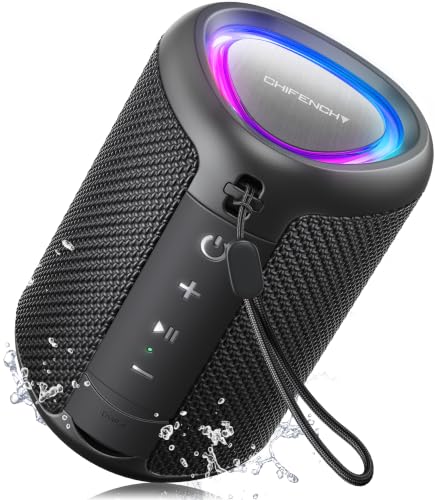
When you are deciding between Klipsch vs Bose for your home theater soundbar, you want clarity, bass, and immersive audio without compromise. Both brands have loyal followings, but they take different paths to deliver that experience. Bose focuses on sleek design and spatial audio innovation, while Klipsch leans on horn-loaded drivers and room correction technology. This guide will help you compare their top offerings for 2026 and find the soundbar that fits your space and listening habits.
Whether you are upgrading from TV speakers or building a new setup, understanding the strengths of each brand makes your choice easier. For more comparisons in the speaker world, check out our JBL vs Sony guide.




Buying Guide
Sound Quality and Immersion
The primary reason to invest in a soundbar is the audio experience. Klipsch soundbars like the Flexus CORE 300 use Dolby Atmos with dedicated elevation speakers and side-firing drivers to create a three-dimensional soundstage. Bose models such as the Lifestyle Ultra Soundbar rely on PhaseGuide technology and TrueSpatial audio to beam sound around the room without rear speakers.
Both approaches deliver immersive sound, but Klipsch tends to emphasize dynamic range and clarity, especially in the mid-range. Bose excels at creating a wide, enveloping sound field from a single unit. Your preference may depend on whether you prioritize pinpoint effects or a seamless bubble of audio.
Room Correction and Setup
Room acoustics can dramatically affect soundbar performance. Klipsch has a unique advantage with the Flexus CORE 300, which is the first soundbar to feature Dirac Live auto-room correction. This technology scans your room and adjusts the audio to compensate for reflections, furniture, and wall placement.
Bose uses CustomTune calibration on the Lifestyle Ultra Soundbar to optimize performance for your space. Both systems aim to deliver consistent sound regardless of room shape. For outdoor use, consider our best speaker for outdoor party recommendations.
Connectivity and Smart Features
Modern soundbars need to integrate with your streaming services and smart home. Bose soundbars support Wi-Fi, Bluetooth 5.3, Apple AirPlay 2, Google Cast, Spotify Connect, and built-in Amazon Alexa. Klipsch models offer Bluetooth and the Klipsch Connect Plus app for control and firmware updates.
If you rely heavily on voice assistants or multi-room audio, Bose provides broader compatibility out of the box. Klipsch focuses on core audio performance and app-based customization. For a different take on smart speakers, read our sonos era 100 vs sonos one comparison.
Design and Build Quality
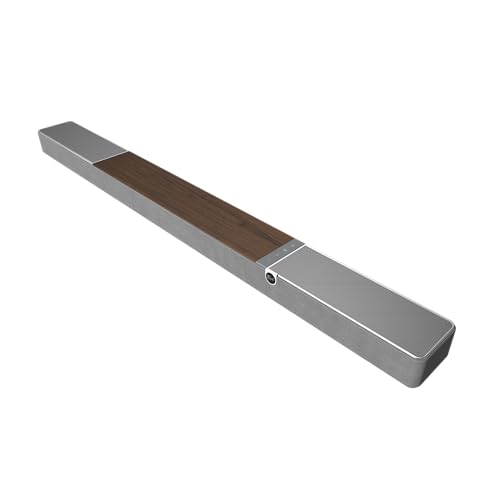
Your soundbar will sit beneath your TV, so aesthetics matter. Bose products feature glass tops, knit grilles, and touch controls for a premium look. Klipsch offers a more traditional speaker design with wood veneer options like walnut, appealing to those who want a classic audio component appearance.
Both brands build solid products, but Bose leans toward modern minimalism while Klipsch embraces a heritage-inspired style. Consider your room decor and whether you want the soundbar to blend in or stand out.
Final Thoughts
Choosing between Klipsch vs Bose ultimately comes down to your priorities: if you value cutting-edge room correction and dynamic, detailed sound, the Klipsch Flexus CORE 300 5.1.2 Channel Powered is a standout choice. If you prefer a sleek design with expansive spatial audio and broad smart home integration, the Bose New Lifestyle Ultra Soundbar delivers an elegant, immersive experience. Both will transform your movie nights and music listening for 2026.
Related Guides
- Top Soundbars of 2026 for Immersive Audio
- Best Soundbar for Apartment Living in 2026
- Top Computer Soundbars for Clear Audio
Frequently Asked Questions
Which brand offers better sound quality for movies, Klipsch or Bose?
Both brands excel, but Klipsch soundbars with Dolby Atmos and Dirac Live room correction tend to provide more precise sound placement and dynamic range. Bose models create a wider, more enveloping sound field that many find cinematic. Your preference may depend on whether you want pinpoint effects or a seamless audio bubble.
Do Klipsch soundbars require a subwoofer for good bass?
Many Klipsch soundbars like the Flexus CORE 200 and CORE 300 include built-in subwoofers that deliver best-in-class bass without an external unit. However, adding a separate subwoofer can enhance low-end performance for larger rooms or deeper bass enthusiasts.
Can I use voice assistants with Bose soundbars?
Yes, Bose soundbars like the Lifestyle Ultra include built-in Amazon Alexa for hands-free control. They also support Apple AirPlay 2 and Google Cast for voice control through your preferred ecosystem.
Are Klipsch soundbars compatible with other Klipsch speakers?
Yes, the Klipsch Flexus system allows you to add wireless subwoofers and rear speakers to expand your setup over time. The Klipsch Connect Plus app simplifies managing multiple devices.