🔥 TV Black Friday Deals 2026: picks worth watching →
You grab your electric toothbrush, ready for your morning routine, but the handle feels dead. No lights, no vibrations. The question flashes through your mind: “Why is my electric toothbrush not charging?” It is a frustrating moment, but often the fix is simpler than you think. This guide walks you through the most common reasons for charging failures and highlights top-rated replacement chargers and cables that can solve the problem quickly.
Whether you own a Philips Sonicare, an Oral-B, a Fairywill, or an Aquasonic, we have you covered. From faulty charging bases to worn-out cables, we will help you diagnose the issue and find the right replacement. For similar troubleshooting advice on other devices, check out our guide on why your massage gun might not be charging.




Buying Guide
When your electric toothbrush stops charging, the first step is to identify the root cause. Is the charger itself broken, or is the issue with the toothbrush handle? Most modern toothbrushes use inductive charging, meaning there are no exposed metal contacts. This design is convenient, but it also means the charger base or cable can fail without visible damage. Here are the key factors to consider when choosing a replacement.
Compatibility with Your Toothbrush Model
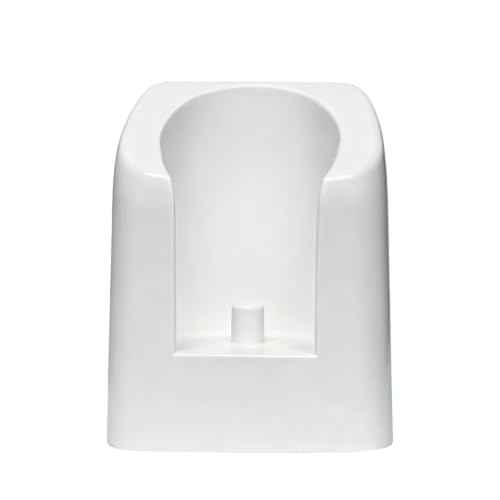
Compatibility is the most critical factor. A charger designed for a Philips Sonicare will not work with an Oral-B toothbrush, and vice versa. Even within the same brand, different series may require specific charger models. For example, the Philips 1000 to 7000 Series Wireless Electric charger is built for a wide range of Philips models, while the Toothbrush Charger for Braun Oral B Electric is tailored for Oral-B handles. Always verify your toothbrush model number before ordering a replacement. If you own a Fairywill or similar brand, a USB cable like the Charger Cord for Fairywill Sonic Electric might be the right solution.
Charging Method: Inductive Base vs. USB Cable
Toothbrushes charge in two primary ways: via a wireless inductive charging base or through a direct USB cable. Inductive bases, like the Wall Charger for Oral B Electric Toothbrush, are common for premium brands. They offer a clean, waterproof design. USB cables, on the other hand, are typical for budget-friendly or travel toothbrushes, such as the SCOVEE Electric Toothbrush Charger for Fairywill. If your toothbrush uses a USB port, a faulty cable is often the culprit. Replacing a cheap USB cord is a quick and inexpensive fix.
Waterproof Rating and Bathroom Safety
Bathrooms are humid environments, and chargers must withstand moisture. Look for a high IPX rating, such as IPX7 or IP67, which indicates the charger is protected against water immersion. The Philips 1000 to 7000 Series Wireless Electric charger boasts an IPX7 seal, meaning it can be safely used near a sink. Similarly, the Toothbrush Charger for Braun Oral B Electric has an IP67 waterproof design. A charger with a poor seal can fail prematurely due to corrosion. For more on product durability, see our analysis of why digital bathroom scales become inaccurate.
Battery Life and Charging Speed
If your toothbrush charges but the battery drains quickly, the issue may be the battery itself, not the charger. However, a weak charger can also cause slow charging. Some toothbrushes, like the Rtauys 2 Pack Electric Toothbrush for Adults, offer a 120-day battery life after a 3-hour charge. This is an excellent benchmark. If your current charger takes much longer, it might be underpowered. For travel, a compact charger or a USB cable is ideal. For home use, a dedicated inductive base is often more convenient.
For additional troubleshooting tips on personal care devices, explore our guides on Philips electric shaver charging issues and Braun electric shaver charging problems.
Final Thoughts
When your electric toothbrush stops charging, do not rush to buy a whole new brush. In many cases, a simple charger replacement is all you need. For Philips Sonicare owners, the Philips 1000 to 7000 Series Wireless Electric charger is a reliable, waterproof, and energy-efficient choice that works across many models. If you use an Oral-B toothbrush, the Toothbrush Charger for Braun Oral B Electric offers a budget-friendly and fully sealed solution that matches the original. Both options restore full charging capability and keep your oral care routine on track.
Frequently Asked Questions
How do I know if my toothbrush charger is broken?
Try a different outlet and check for any visible damage to the cable or base. If the toothbrush still does not charge, test the charger with a friend’s compatible toothbrush. If that brush charges, the issue is with your toothbrush handle. If it does not, the charger is likely faulty and needs replacement.
Can I use a different brand’s charger for my toothbrush?
Generally, no. Chargers are designed specifically for their brand’s inductive coil and voltage requirements. Using a Philips charger on an Oral-B toothbrush, for example, will not work and could damage the battery. Always use a charger that is explicitly compatible with your toothbrush model.
Why does my toothbrush charge slowly even with a new charger?
Slow charging can indicate an aging battery inside the toothbrush handle. Lithium-ion batteries degrade over time, typically after 2 to 3 years of regular use. If a new charger does not speed up charging, the toothbrush battery itself may need replacement, which often means buying a new toothbrush. For more on this, see our Black Friday electric toothbrush deals for upgrade options.
Is it safe to leave my electric toothbrush on the charger all the time?
Most modern toothbrushes and chargers use smart charging circuits that prevent overcharging. However, continuous charging can generate heat, which may shorten battery lifespan over time. It is best to charge your toothbrush only when the battery is low and remove it once fully charged. Many models, like the Philips 1000 to 7000 Series Wireless Electric charger, include auto-shutoff features for safety.