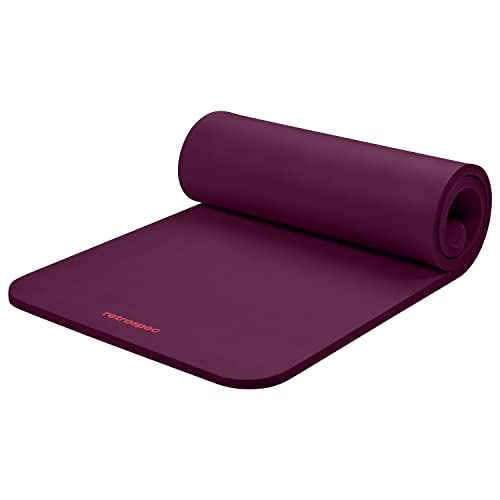
You are in downward dog, but your hamstrings feel tight. The floor seems miles away. You reach for a yoga block to bring the ground closer, and suddenly the pose becomes achievable. That is the power of a well-chosen yoga block. Whether you are a beginner working on flexibility or an advanced practitioner refining inversions, the right block provides the stability and support you need. In this guide, we have evaluated the best yoga blocks of 2026 to help you choose the perfect prop for your practice. For more sports and fitness equipment reviews, check out our Sports & Fitness category.

Buying Guide
Choosing the right yoga block is not just about picking a color. You need to consider density, material, size, and grip. Below are the key factors to keep in mind when shopping for the best yoga blocks.
Density and Firmness
Yoga blocks vary in density from soft foam to rigid cork. High-density EVA foam blocks, like the Wimwum High Density EVA Yoga Blocks 2 Pack, offer a firm surface that does not compress under heavy weight. This is ideal for inversions and deep stretches where you need unwavering support. Standard blocks may feel too soft for advanced poses. If you plan to use blocks for weight-bearing poses, aim for a density of 46 to 50 Shore C or higher.
Material and Durability
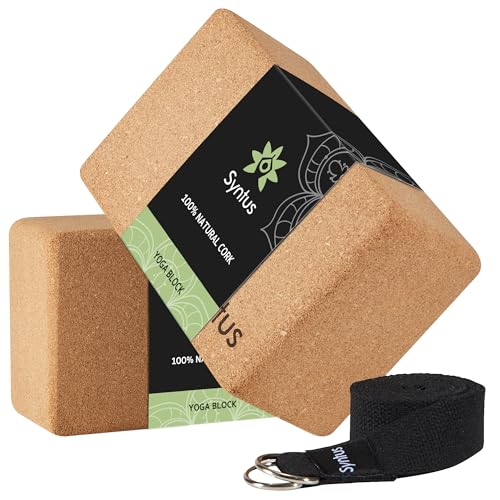
The most common materials are EVA foam, cork, and foam. EVA foam is lightweight, durable, and provides a good balance of grip and cushioning. Cork blocks are firmer and eco-friendly, but they can be heavier and more expensive. Foam blocks are budget-friendly but may wear out faster. For a long-lasting option, look for dense, scratch-resistant EVA foam. Consider pairing your blocks with other training gear, such as soccer training equipment, to build a complete home gym.
Size and Grip
Standard yoga blocks measure 9 x 6 x 3 inches. This size fits most hands and provides enough surface area for support. Beveled edges improve grip and make the blocks easier to hold, especially during sweaty sessions. A non-slip surface is crucial for safety, particularly in hot yoga classes. The Gaiam Yoga Block features a soft, non-slip surface with beveled edges for easy gripping.
Versatility
Good yoga blocks are not just for yoga. They can be used in Pilates, stretching, meditation, and even rehabilitation exercises. Some blocks come in sets of two, which is useful for symmetrical poses. If you are active in multiple sports, check out our guide on agility ladder training for another way to boost your fitness routine.
Final Thoughts
Finding the best yoga blocks comes down to your specific needs. For a pro-level, dense block that offers unbeatable stability during advanced poses, go with the Wimwum High Density EVA Yoga Blocks 2 Pack. If you prefer a softer, more forgiving block that is perfect for beginners and gentle stretches, the Gaiam Yoga Block is a reliable choice. Both are excellent tools to deepen your practice and protect your joints.
Related Guides
Frequently Asked Questions
What is the best density for a yoga block?
For most practitioners, a block with a density of 46 to 50 Shore C offers the ideal balance of firmness and comfort. This range provides solid support without being too hard on the joints.
Can I use yoga blocks for Pilates?
Yes, yoga blocks are excellent for Pilates. They can be used to support the spine, deepen stretches, and improve alignment during exercises. Many Pilates studios incorporate blocks for added versatility.
Are cork or foam yoga blocks better?
Cork blocks are firmer and more eco-friendly, but they are heavier and can be less comfortable for some poses. Foam blocks are lighter, easier to grip, and more affordable. Choose based on your priority: sustainability or portability.
How many yoga blocks should I buy?
Most yoga practitioners start with two blocks. This allows you to support both hands in poses like triangle or extended side angle. If you are practicing at home, a set of two is a great investment. For tips on building a home gym, see our best soccer backpack for carrying your gear.