Picture this: you and your friends are at the beach, the sun is warm, and you’re about to start a game of volleyball. But the ball you brought? It’s too hard, too light, or just doesn’t handle the wind. Finding the best outdoor volleyball means choosing one that can withstand sand, sun, and repeated spikes while still offering a soft touch. Whether you play on sand, grass, or a hard court, the right ball elevates your experience. In this guide, we’ve reviewed five top contenders from trusted brands like Mikasa, Wilson, and Molten to help you pick the perfect companion for your next match. For more on beach-specific options, check out our best beach volleyball guide.



Buying Guide: What to Look for in an Outdoor Volleyball
Durability for Outdoor Elements
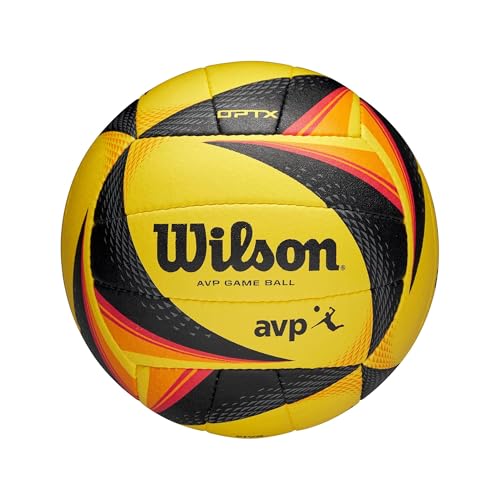
Outdoor volleyballs face constant abrasion from sand, concrete, or grass. A ball with a tough synthetic leather cover, like the microfiber composite found on the Senston Official Size 5, resists peeling and scratching. The WILSON AVP OPTX, designed specifically for beach play, uses a durable composite that holds up even after numerous games. Always look for reinforced stitching and a robust bladder to prevent air loss.
Water Resistance and Moisture Handling
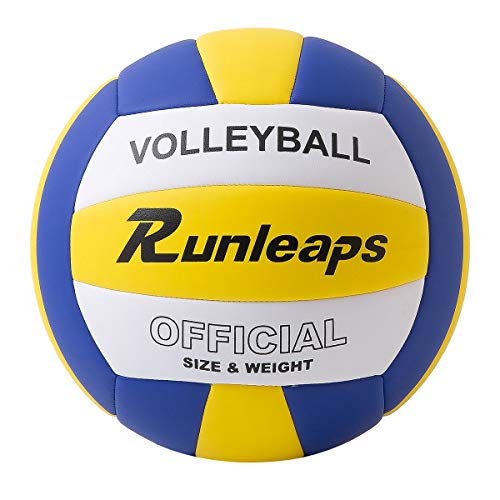
Outdoor conditions vary, from morning dew to a splash of water near the net. A waterproof ball like the Runleaps Volleyball with its PU surface keeps its shape and grip even when damp. The Mikasa VX20, while not fully waterproof, uses a synthetic material that dries quickly. For consistent performance, choose a ball that won’t become slippery or heavy when wet.
Official Size and Weight
Most regulation outdoor volleyballs are size 5, weighing between 9 and 10 ounces. The Molten Recreational Volleyball meets official size and weight standards, making it a reliable choice for practice or friendly games. The Wilson AVP OPTX is the official ball of the AVP tour, so you can trust its dimensions. A consistent weight ensures your serves and sets feel natural.
Grip and Softness
A soft, tacky surface gives you better control and reduces sting on impact. The Senston Volleyball features a soft synthetic leather and foam coating for a cushioned feel. The Runleaps model is praised for its excellent ball control, thanks to carefully selected materials. If you play for hours, a softer ball can prevent hand fatigue while still offering precise passing.
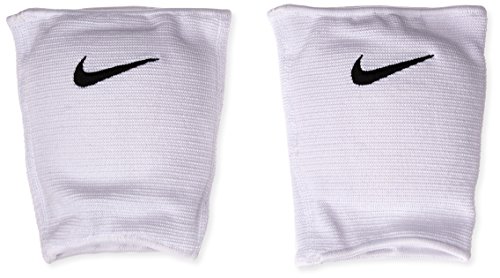
When you’re ready to step up your game, consider pairing your new ball with quality protection. Our best volleyball knee pads guide can help you stay comfortable on the court. And if you need a portable setup, check out the best portable volleyball net options for easy transport.
Final Thoughts
Choosing the right outdoor volleyball comes down to your playing style and environment. For budget-conscious players who want a reliable, official-size ball that handles well on sand and grass, the Mikasa VX20 Beach Classic Volleyball White offers fantastic value. If you’re aiming for tournament-level performance and prefer a ball engineered specifically for beach conditions, the WILSON AVP OPTX Game Volleyball – Official Size delivers pro-grade durability and feel. Both are excellent choices that will keep your game strong all season.
Frequently Asked Questions
What is the best outdoor volleyball for playing on sand?
The WILSON AVP OPTX is widely regarded as the top choice for sand play. It’s the official ball of the AVP tour and designed specifically for beach conditions. Its composite cover provides excellent grip and durability against abrasive sand. For a more affordable option, the Mikasa VX20 also works well on sand.
Can I use an indoor volleyball outdoors?
You can, but indoor volleyballs are typically made with softer leather that wears out quickly on rough surfaces. Outdoor-specific balls use tougher materials and are often waterproof. For a ball that works for both, look for a hybrid like the Senston Volleyball, which is designed for indoor and outdoor use. Read our best indoor volleyball guide if you need a dedicated indoor ball.
How do I maintain my outdoor volleyball?
After each use, wipe the ball with a damp cloth to remove sand and dirt. Store it in a cool, dry place away from direct sunlight. Inflate it to the recommended pressure (usually listed on the ball) and check the valve for leaks. Most balls ship deflated and require a pump; keep one handy to maintain optimal shape.
What is the difference between a beach volleyball and an indoor volleyball?
Beach volleyballs are slightly larger and softer than indoor balls. They have a rougher surface for better grip in sand and are more resistant to water and sun damage. Indoor balls are smaller, harder, and designed for faster gameplay on a smooth court. The Molten Recreational Volleyball is a good compromise for casual outdoor play. For more information, visit our Sports & Fitness category.