

You are ready to start a new workout routine at home, but your floor is hard and unforgiving. A quality workout mat can make all the difference, providing cushioning and grip for yoga, Pilates, strength training, and stretching. In this guide, we have verified the top workout mats on the market, from extra-thick options for joint comfort to eco-friendly choices for sustainable fitness. Whether you are a beginner or a seasoned athlete, here are the best workout mats of 2026. For more fitness gear recommendations, check out our Sports & Fitness category.




Buying Guide
Thickness and Cushioning
The thickness of a workout mat determines how much padding your joints receive during floor exercises. Thicker mats (around 1 inch or 10mm) provide excellent shock absorption for high-impact moves and are ideal for people with sensitive knees or elbows. Thinner mats (4 to 6mm) offer a firmer surface that improves stability for balance poses and standing sequences.
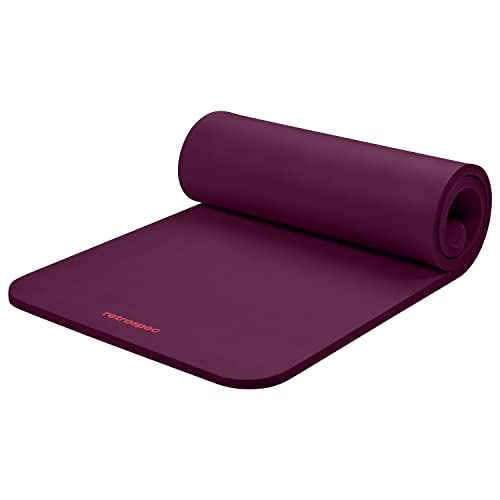
For most home workouts, a mat in the 6 to 10mm range strikes a good balance between comfort and stability. If you plan to use the mat primarily for yoga on a hard floor, a 6mm mat like the Gruper Non Slip option can be enough. For weightlifting or stretching, consider a thicker model such as the Retrospec Solana 1-inch mat. Also check out our guide on the best weightlifting belts if you are into strength training.
Material and Eco-Friendliness
Workout mats are commonly made from PVC, NBR, TPE, or natural rubber. PVC mats are durable and affordable but may contain phthalates. NBR foam provides excellent cushioning and is often used in extra-thick mats. TPE is a recyclable, lightweight material that is free from harmful chemicals and ideal for eco-conscious users. Natural rubber mats offer superior grip but can be heavier.
If sustainability matters to you, look for mats that are labeled BPA-free, phthalate-free, or made from recycled materials. The KEEP Non-Slip Large Yoga Mat uses premium TPE and is free from plasticizers and formamide, making it a planet-friendly choice. For more on eco-friendly fitness gear, see our best jump rope picks that also feature sustainable options.
Non-Slip Performance
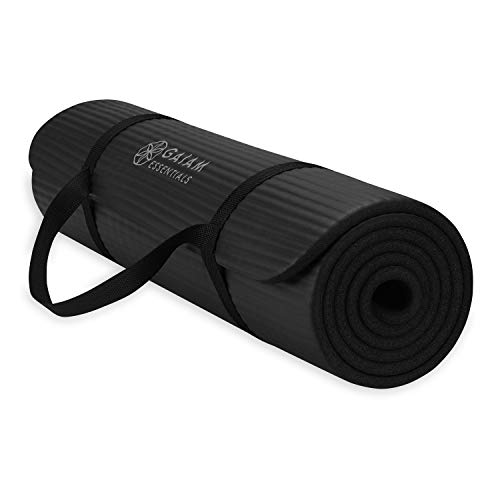
A mat that slides on the floor or feels slippery when you sweat can ruin your workout. Look for mats with a textured top surface and a grippy bottom layer. Many top-rated mats, such as the Gaiam Essentials Thick Yoga Mat, feature a textured foam surface that reduces slipping on hard floors. Dual-surface designs with anti-slip patterns on both sides offer the best security.
If you practice hot yoga or intense cardio, consider a mat with advanced grip technology like the CAMBIVO Extra Long Wide Yoga Mat, which has a honeycomb anti-tear bottom. For wrist support during planks, our best wrist wraps can also help protect your joints.
Size and Portability
Standard yoga mats measure 68 inches by 24 inches, but taller or broader practitioners may prefer extra-long and extra-wide options. The CAMBIVO mat offers 84 inches by 30 inches of space, while the KEEP mat provides 72 inches by 32 inches. Portability matters if you take your mat to the gym or studio. Most mats come with a carrying strap or bag, like the Retrospec Solana which includes a nylon strap for easy transport.
Weight is another factor: lightweight TPE mats are easier to carry, while thick NBR mats are heavier but more comfortable. If you need gear for a complete home gym setup, our best lifting gloves article complements your workout routine.
Final Thoughts
After evaluating a wide range of workout mats, we found that the Retrospec Solana 1″ Extra Thick Yoga Mat Non Slip stands out for its exceptional cushioning and durable build, making it perfect for anyone needing extra joint protection during floor exercises. For a budget-friendly yet reliable option, the Gaiam Essentials Thick Yoga Mat with Easy-Cinch Strap offers plush comfort and a textured surface that grips well on hard floors. Whether you are a beginner or a seasoned yogi, these two mats cover different needs without compromising quality.
Frequently Asked Questions
What thickness is best for a workout mat?
For general fitness and yoga, a thickness of 6 to 10mm is ideal. Thinner mats (4 to 6mm) provide better stability for balance poses, while thicker mats (10mm and above) offer more cushioning for knees and joints. If you have sensitive joints or practice on hard floors, go for an extra-thick mat like the Retrospec Solana 1-inch model.
How do I clean my workout mat?
Most mats can be cleaned with a mixture of mild soap and water. Wipe the surface with a damp cloth and let it air dry. Avoid machine washing or exposing the mat to direct sunlight for long periods. For mats with a strong initial odor, unroll and air them out for 24 to 48 hours before first use.
Are TPE mats better than PVC mats?
TPE mats are lighter, more eco-friendly, and free from phthalates and heavy metals, making them a healthier choice. PVC mats tend to be more durable and often cheaper, but may contain harmful chemicals. If sustainability and non-toxicity are priorities, a TPE mat like the KEEP Non-Slip Large Yoga Mat is a great option.
Can I use a yoga mat for other types of workouts?
Absolutely. Workout mats are versatile for Pilates, stretching, bodyweight exercises, and even meditation. Thicker mats are better for high-impact moves, while thinner mats offer more stability for strength training. Most of the mats reviewed in 2026 are designed to handle a variety of fitness activities. For more cardio-focused options, check out our best jump rope guide for an efficient home workout.


