

You are in the pool, legs burning, but your kick feels inefficient. You want to swim faster, but your form holds you back. Swim fins can solve that. They improve your technique, build strength, and make every session more productive. But with so many options, choosing the right pair can be overwhelming. This guide covers the best swim fins for 2026, from beginner-friendly models to performance-focused tools. We have evaluated four top contenders, each with unique strengths, so you can find the fins that match your goals.
If you are new to swim training, a good pair of fins can help you focus on body position without fighting the water. For experienced swimmers, they add resistance to build power. We have considered comfort, propulsion, and durability to bring you a concise recommendation. For more swim gear insights, check out our guide to the best kickboards for complementary training.



Buying Guide: What to Look for in Swim Fins
Blade Length and Stiffness
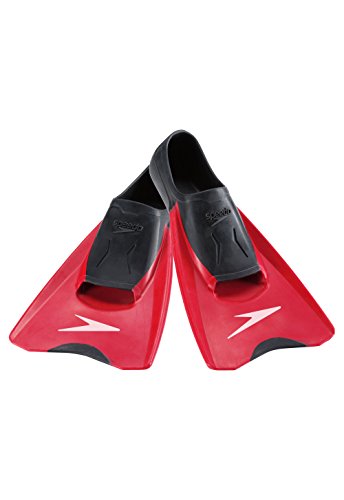
Fins come in short, medium, and long blades. Short blades (like the Gintenco Swim Fins) are easier to kick and great for building speed without fatigue. They are ideal for beginners and recreational swimmers. Long blades, such as the FINIS Long Floating Swim Fins, provide more resistance and help improve kick technique by forcing you to use your whole leg. Stiffness matters too. Softer blades are gentle on the ankles, while stiffer blades build more power. Consider your fitness level and goals. If you want a versatile option, a medium blade like the Speedo Unisex-Adult Swim Training Fin Rubber offers a balanced approach.
Fit and Comfort
A secure, comfortable fit is non-negotiable. Fins that are too tight cause cramps; too loose lead to slipping and blisters. Look for fins with an extended foot pocket for better contouring, as seen in the Sporti Essential Floating Swim Fins. Many brands offer color-coded sizing or specific width recommendations. If you have narrow feet, sizing down may help; wide feet often require true to size. For young swimmers, check the size chart carefully. Some fins come with a heel strap or shoe lifting feature for easy on/off, like the Gintenco model. If you use swim socks, they can improve fit and prevent chafing.
When evaluating comfort, consider the material. Silicone fins (like the Gintenco) are softer and more flexible, reducing ankle strain. Rubber fins (like the Speedo) are durable but may be stiffer. The Sporti fins use a soft rubber that returns to shape after storage. For a deeper look at swim accessories, read our best swim snorkel guide to pair with your fins for a complete training kit.
Buoyancy and Body Position
Fins that float are excellent for beginners because they help lift your legs to the surface, reducing drag. The FINIS Long Floating Swim Fins are specifically designed for this purpose. They allow you to feel the correct body alignment without effort. Non-floating fins can be used for resistance training, but they may cause your legs to sink if you lack core strength. If you are working on body position, floating fins are a smart choice. For more advanced swimmers, a buoyant fin can still be used for drills without compromising technique.
Durability and Portability
Swim fins take a beating in chlorinated water and saltwater. Look for materials that resist cracking and fading. Silicone and high-quality rubber are long-lasting. The Gintenco fins come with a mesh bag for easy storage and travel. The Sporti fins have a silicone oil coating to protect them during storage. If you travel frequently, compact fins like the Gintenco short fins are easy to pack. For a more permanent pool bag companion, the Speedo fins are sturdy and reliable. Also, consider the fin’s weight. Heavier fins can be tiring, but they build strength. Lighter fins are better for endurance training.
For more swim gear, check our best swim cap recommendations to protect your hair during training.
Final Thoughts
Selecting the right swim fins comes down to your specific needs. For beginners and those focusing on body position, the FINIS Long Floating Swim Fins offer excellent buoyancy and technique feedback. If you prefer a more compact, versatile fin for lap swimming and general fitness, the Gintenco Swim Fins, Adults & Kids Swim Training provide a comfortable, travel-friendly option at a great value. Whichever you choose, adding fins to your routine will elevate your swimming experience.
Frequently Asked Questions
What size swim fins should I buy?
Always refer to the manufacturer’s size chart. Most brands size by shoe size. For a snug fit, fins should not slide off but should not pinch either. If you are between sizes, consider your foot width. Some brands, like Sporti, offer color-coded sizing for easy selection. For children, sizing up is often recommended if they are between sizes.
Are short or long fins better for swimming?
Short fins are better for improving kick speed and are easier to use for beginners. They are less tiring and great for lap swimming. Long fins provide more resistance and help improve body position and leg strength. They are ideal for technique work and building power. Your choice depends on your training goals.
Can I use swim fins in open water?
Yes, but be cautious. Floating fins are safer in open water because they are easier to see. The FINIS Long Floating Fins float in fresh and saltwater. However, for deep sea snorkeling, some fins like the Gintenco are not recommended for deep water. Always check safety guidelines. For more tips, see our guide to swimming goggles for beginners to ensure clear vision in any environment.
How do I care for my swim fins?
Rinse your fins with fresh water after each use to remove chlorine and salt. Let them dry completely before storing. Avoid leaving them in direct sunlight for long periods. Some rubber fins may have a light oil coating on the surface; this is normal and protects the material. Wash with soap and water if needed. Store fins in a cool, dry place, preferably in a mesh bag for air circulation.
For more swim gear recommendations, visit our Sports & Fitness category page.


