

Imagine you are hiking a remote trail when a member of your group trips and suffers a deep gash on their leg. Blood is pulsing, and the nearest hospital is an hour away. In that moment, having a trauma first aid kit with proper hemorrhage control tools is not just convenient; it is essential. Whether you are a first responder, a military medic, or an outdoor enthusiast, the right trauma kit can save a life. In this guide, we review the best trauma first aid kits available in 2026, focusing on features like tourniquets, chest seals, splints, and organizational design. For a broader look at general first aid preparedness, check out our best first aid kit for camping guide.


Buying Guide: What to Look for in a Trauma First Aid Kit
Hemorrhage Control Capability
The primary purpose of a trauma kit is to stop severe bleeding. Look for kits that include a genuine tourniquet (preferably a CAT or SOF Tactical type), hemostatic gauze or powder, and Israeli pressure bandages. These items are proven to control massive hemorrhage in tactical and wilderness settings. Kits with multiple wound packing gauze and a compact tourniquet are ideal for rapid deployment.
Airway and Respiratory Support
Chest injuries can lead to tension pneumothorax. A quality trauma kit should include vented chest seals (at least two) and a nasopharyngeal airway (NPA). These allow you to manage open chest wounds and maintain an open airway. The inclusion of an emergency blanket also helps treat hypothermia, which often accompanies shock.
Fracture Immobilization
Many trauma kits now include a 36-inch splint roll, triangle bandages, and elastic bandages. These tools let you stabilize broken limbs before moving the casualty. A kit with a rigid splint and versatile wrapping materials is valuable for both urban and outdoor environments.
Organization and Portability
In an emergency, you cannot waste time rummaging. Look for a kit with clear internal compartments, a rip-away panel, or MOLLE compatibility. A compact, lightweight design that can attach to a backpack, vehicle headrest, or vest is a major advantage. The best kits balance comprehensive contents with a manageable footprint.
Final Thoughts
After evaluating the top contenders, we believe the RHINO RESCUE IFAK Trauma Kit Pro with CAT offers the most complete professional-grade setup for serious emergencies, combining a genuine CAT tourniquet, chest seals, and a 36-inch splint in a well-organized rip-away pouch. For those seeking a slightly more affordable but equally capable option, the EVERLIT Advanced Emergency Trauma Kit provides veteran-designed contents with a focus on hemorrhage control and fracture stabilization. Both kits are excellent choices for anyone who needs reliable, life-saving gear in a crisis.
Frequently Asked Questions
What should a trauma first aid kit include?
A comprehensive trauma kit should include a tourniquet, hemostatic gauze or powder, Israeli bandages, chest seals, a splint, triangle bandages, an emergency blanket, gloves, and shears. Many kits also add a nasopharyngeal airway and wound packing gauze. The exact contents depend on your environment and training level.
How do I use a tourniquet correctly?
Apply the tourniquet 2-3 inches above the wound, never over a joint. Tighten until bleeding stops, and note the time of application. Do not release once applied. Seek advanced medical care immediately. Many modern tourniquets, like the CAT GEN-7, have a windlass rod for easy tightening.
Can a trauma kit be used for everyday minor injuries?
While trauma kits focus on life-threatening bleeding, they often contain bandages and gauze that can also handle cuts and scrapes. However, for daily use, consider supplementing with a standard first aid kit. For a well-rounded home and car kit, see our best first aid kit for car recommendations.
Are hemostatic powders safe for blood thinner patients?
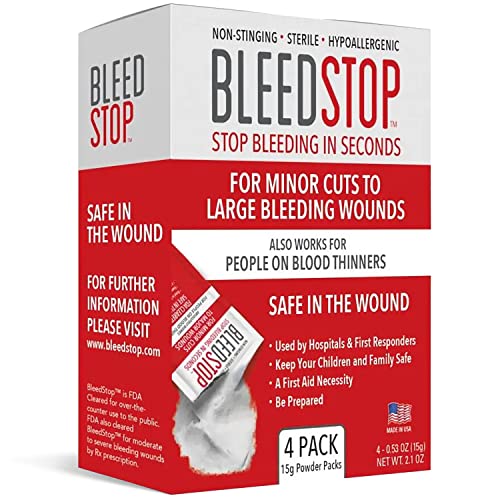
Yes, products like BleedStop are designed to work even for individuals on blood thinners. They accelerate clotting by absorbing moisture and concentrating platelets. Always follow the manufacturer’s instructions and seek professional medical help after application.


