

If you or a loved one experiences difficulty walking, a reliable walking cane can make a world of difference. Whether recovering from an injury or managing age-related mobility challenges, the right cane provides stability, reduces fall risk, and restores independence. In this guide, we have evaluated eight of the top walking canes available in 2026, focusing on key features like adjustability, handle comfort, base stability, and portability. For a closer look at compact options, check out our review of the best folding cane for men and women.
Each product was assessed based on its build quality, ease of use, and customer feedback. We prioritized canes that combine durable construction with thoughtful design elements such as pivoting tips, ergonomic grips, and self-standing bases. Whether you need a lightweight travel companion or a heavy-duty support for daily walks, our curated selection has something for you.


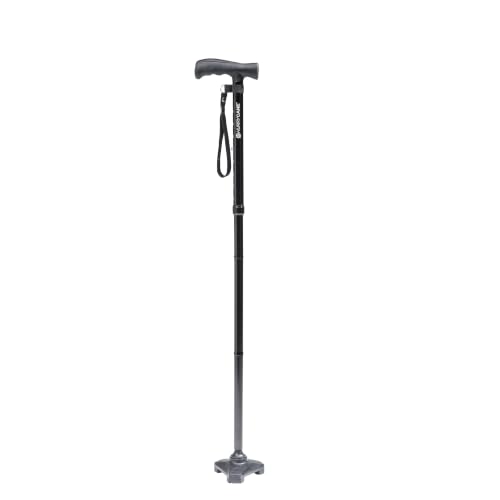


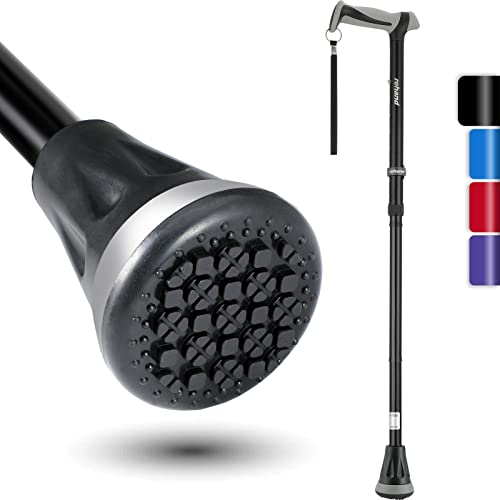
The table above summarizes key specs and ratings for each cane. Below, we break down the essential buying considerations to help you choose the right model for your needs.
Buying Guide: What to Look for in a Walking Cane
1. Base Stability and Terrain Adaptability
The base of a walking cane determines how well it grips various surfaces. Quad bases with four prongs offer superior stability and can stand independently, as seen in the KINGGEAR Self Standing Walking Cane and the KingPavonini Adjustable Walking Cane. Pivoting bases, like those on the HurryCane Freedom Edition and REHAND models, adjust to angled ground, keeping the cane flat on uneven terrain. The HONEYBULL Walking Cane features a three-pronged pivoting tip that maximizes ground contact on any surface. Look for non-slip rubber tips that provide traction on wet or slick floors. For additional safety aids, you might also explore our best bed assist rail for seniors.
Self-standing capability is a major convenience: a wide base allows the cane to rest upright without leaning against a wall. Models like the REHAND and HONEYBULL canes excel in this regard, making them ideal for users who need to free their hands frequently.
2. Height Adjustability and Fit
A properly fitted cane should allow your elbow to bend at a 15- to 20-degree angle when standing. Most models offer multiple height settings, typically 8 to 10 positions, ranging from about 30 to 37 inches. The REHAND Walking Cane provides 8 adjustable heights from 30 to 36 inches, fitting users from 5′ to 6’5″. The KingPavonini cane adds a screw-coupled joint for extra security against accidental readjustment, a feature that enhances safety. Push-button locks are common and easy to operate, but always verify that the locking mechanism feels secure.
When selecting a cane, measure your height and wrist-to-floor distance. Many canes also include a travel bag or strap, making it easier to carry when not in use. For a comprehensive look at folding designs, see our best folding cane guide.
3. Handle Comfort and Grip
Ergonomic handles reduce pressure on the palm and wrist, especially during extended use. Offset or T‑grip styles with soft foam or TPR materials help prevent fatigue. The REHAND and Rehaescort canes feature longer, wider handles that distribute weight more evenly, while the KINGGEAR cane uses Comfy-Soft EVA foam padding for extra cushioning. Some models, like the KingPavonini, include a dual handle design: one for walking and a lower handle for standing up from a seated position. A wrist strap adds security, ensuring the cane doesn’t drop if you let go.
Hand comfort is especially critical for individuals with arthritis or joint pain. The GPTCAMP Offset Walking Cane offers a soft offset handle that relieves wrist pressure, making it a budget-friendly choice for those who prioritize grip comfort.
4. Portability and Storage
If you travel frequently, a foldable or collapsible cane is essential. Many canes fold into a compact size of 13 to 17 inches, fitting easily into a backpack or carry-on. The HurryCane Freedom Edition collapses to 13.7 inches, while the GPTCAMP cane folds to 17.32 inches. Lightweight aluminum construction keeps the weight under 1.5 pounds, making these canes easy to carry. Some models include a travel bag or a hook‑and‑loop fastener to keep the folded cane tidy. The REHAND and HONEYBULL canes both feature a strap for securing the folded shaft.
Portability also matters for daily use at home or in the car. A self-standing base eliminates the need to lean the cane against furniture, reducing the risk of it falling over. For more mobility solutions, see our best reacher grabber review.
Final Thoughts
After assessing these walking canes, we recommend the HONEYBULL Walking Cane for Men & Women, Foldable for its excellent stability and free‑standing design, and the REHAND Walking Cane for Men & Women – Foldable for its ergonomic handle and all‑terrain pivoting base. Both offer reliable support and thoughtful features to enhance your daily mobility. Choose the one that best fits your lifestyle and comfort needs.
Frequently Asked Questions
How do I determine the correct cane height?
Stand with your shoes on and let your arms hang naturally. The top of the cane should align with the crease of your wrist. Most adjustable canes cover heights from 5′ to 6’5″. In 2026, many models offer 8‑position adjustment to fine‑tune the fit. Always test the cane before committing to a height setting.
Should I choose a quad cane or a single‑tip cane?
A quad cane with four points of contact provides more stability and can stand on its own, making it ideal for those who need extra balance. Single‑tip canes are lighter and more maneuverable, suitable for everyday walking on even surfaces. Your choice depends on your typical terrain and stability needs. For heavy-duty support, quad canes like the KINGGEAR or KingPavonini are excellent.
Can a walking cane be used on stairs?
Yes, but you should follow proper technique: hold the cane in the hand opposite your weaker leg, and go up with the good leg first, then the cane and weak leg together. Downstairs, lead with the cane and weak leg, then follow with the good leg. Always use the handrail if available. Practice slowly until the motion feels natural.
How do I maintain my walking cane?
Regularly check the rubber tip for wear and replace it if it becomes smooth. Wipe the shaft with a damp cloth and keep the adjustment mechanism clean. Store the cane in a dry place. For more tips on mobility aids, read our best folding cane article.


