A first aid kit for workplace is a legal and practical requirement that every employer must address to ensure employee safety. The specific contents and size of your kit depend on factors like the number of workers, the nature of tasks performed, and any applicable regulations in your region. Understanding these variables helps you build or buy a kit that truly meets your team’s needs rather than a generic box that may leave you underprepared.


Why Every Workplace Needs a First Aid Kit
Workplace injuries happen even in low risk environments. A paper cut, a slip, or a chemical splash can occur without warning. A well stocked first aid kit for workplace allows you to treat minor injuries immediately, reducing complications and downtime. In many jurisdictions, having one is not optional it is mandated by occupational safety laws.
Beyond compliance, a visible first aid kit signals to employees that their safety is taken seriously. It also supports a faster response to emergencies until professional medical help arrives. The kit should be easily accessible to all workers, with clear signage and regular checks to keep supplies current.
Assessing Your Workplace Hazards
The contents of your first aid kit for workplace must reflect the specific risks of your environment. An office setting faces different dangers than a construction site or a laboratory. Start by listing common injuries that could occur: cuts, burns, falls, or exposure to harmful substances.
Consider also the number of employees and the shift schedules. A large team or round the clock operations may require multiple kits or larger units. If your workplace involves heavy machinery or chemicals, you may need specialty items like eye wash stations or burn dressings that a standard kit does not include.
Regulatory Requirements for First Aid Kits
In the United States, OSHA sets guidelines for workplace first aid kits under standard 1910.151. While OSHA does not dictate an exact list, it requires that adequate first aid supplies be readily available. Many employers follow the ANSI/ISEA Z308.1 standard, which specifies minimum fill requirements for industrial first aid kits.
Other countries like the UK have the Health and Safety (First Aid) Regulations 1981, which require employers to provide equipment appropriate to the risks. Regardless of location, check your local regulations to ensure your first aid kit for workplace meets the legal baseline. Failing to comply can result in fines and, more importantly, an unsafe work environment.
Essential Contents of a Workplace First Aid Kit
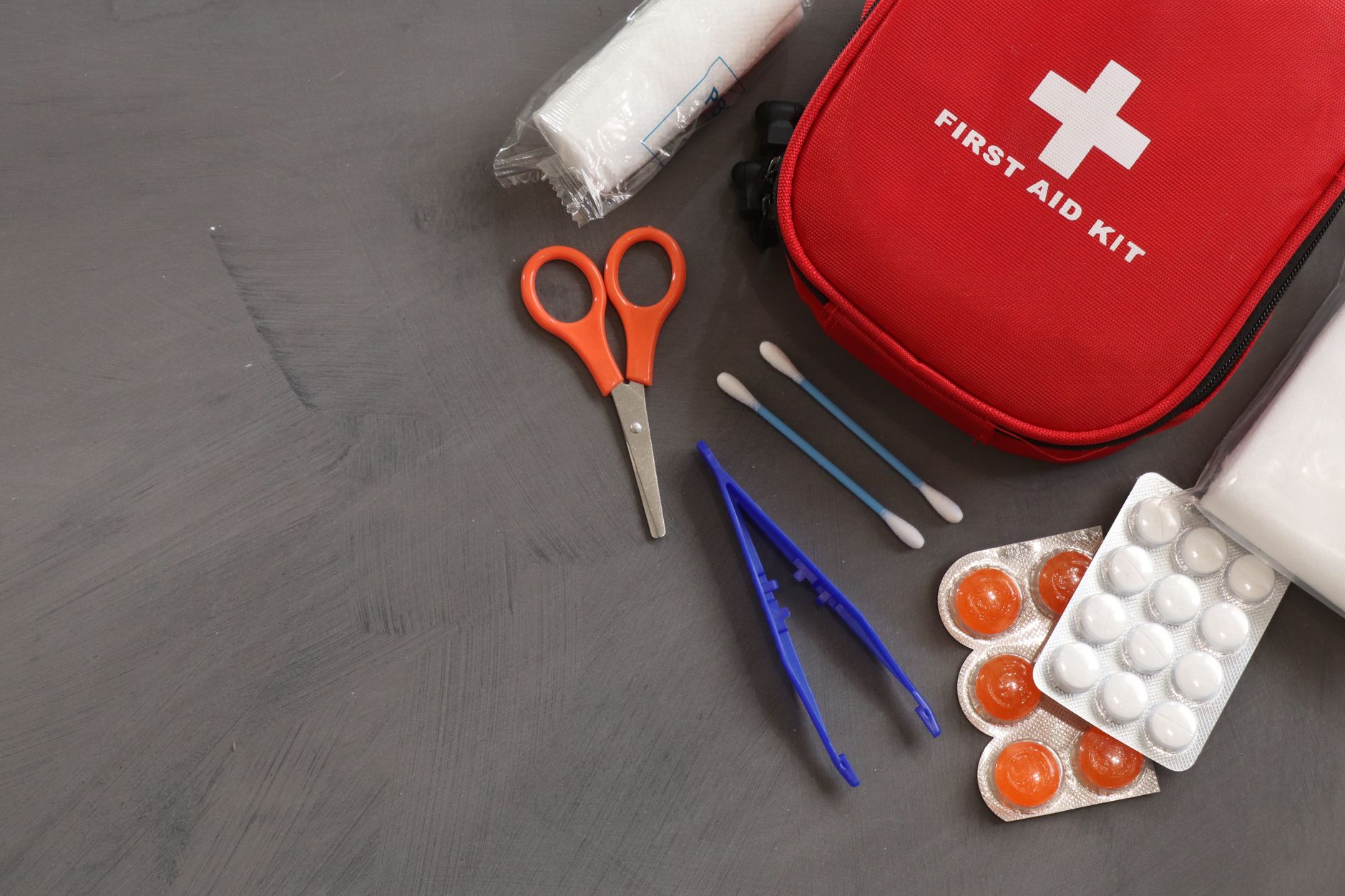
A basic first aid kit for workplace should include adhesive bandages in various sizes, sterile gauze pads, medical tape, antiseptic wipes, tweezers, scissors, disposable gloves, and a first aid guide. For medium to high risk workplaces, add items like tourniquets, emergency blankets, splints, and eye wash solution.
Remember that supplies expire over time. Adhesive products lose their stick, antiseptic solutions evaporate, and gloves degrade. Schedule monthly or quarterly inspections to replace used or expired items. Keep a log of expiration dates so your kit remains fully functional when needed.
Where to Place First Aid Kits
Accessibility is key. Your first aid kit for workplace should be located in a central, easily visible area away from hazards. If your facility spans multiple floors or buildings, place a kit on each level and near high risk zones like machinery or chemical storage.
Mount kits on the wall at a height where anyone can reach them. Avoid hiding them in closets or behind furniture. Use clear signage so that even new employees or visitors can locate a kit quickly in an emergency.
Training Employees to Use the Kit
Having a well stocked first aid kit for workplace is useless if no one knows how to use it properly. Designate trained first aiders or encourage staff to take basic first aid and CPR courses. Training should cover how to handle common workplace injuries and when to call for professional medical help.
Conduct refresher sessions annually or after any major change in workplace risks. Post a simple instruction sheet near the kit outlining the steps for treating cuts, burns, or sprains. This helps anyone, even without training, to provide initial care confidently.
How to Build or Choose the Right Kit
To put together your first aid kit for workplace, start with a risk assessment. List the most likely injuries and match supplies to those scenarios. If you prefer a pre assembled kit, look for one that meets ANSI or local standards and adjust it by adding missing items specific to your workplace.
- Conduct a hazard assessment and identify injury types.
- Determine the number of employees and shift coverage.
- Check local regulations for minimum requirements.
- Stock the kit with appropriate bandages, gloves, antiseptics, and tools.
- Place kits in accessible, visible locations.
- Train employees on basic first aid procedures.
- Schedule regular inspections and replenish expired items.
Now that you understand what goes into a proper workplace first aid kit, you may want to explore other health and safety products for your office or facility. For a broader look at health and household essentials, visit the Health & Household category on our site, where you’ll find resources on maintaining a safe and comfortable environment.
Frequently Asked Questions
How often should I inspect a workplace first aid kit?
Inspect your first aid kit for workplace at least once a month, more often if it is used frequently. Check for missing, dirty, or expired items and replace them immediately. Keep a log sheet attached to the kit to track inspections and restocking.
Do I need a special first aid kit for a construction site?
Yes. A construction site has higher risks of cuts, fractures, burns, and eye injuries. Your first aid kit for workplace in such an environment should include heavy duty bandages, splints, eye irrigation solution, and a tourniquet. Always follow OSHA or local industry specific requirements.
Can I use a home first aid kit at work?
Home first aid kits are typically too small and lack the quantity and variety of supplies needed for a workplace. They may also not meet regulatory standards. It is safer to purchase or assemble a kit designed for the workplace, sized for your number of employees and risk level.
What items are most commonly used in a workplace first aid kit?
Adhesive bandages, antiseptic wipes, and non stick gauze pads tend to be used most often, especially in office or low risk settings. In industrial environments, trauma dressings and instant cold packs are also frequently needed. Restock these items more often than others.
Choosing the right first aid kit for workplace is about matching supplies to your specific risks, number of employees, and local regulations. A thoughtful approach ensures you are prepared for minor injuries without overcomplicating your setup. For additional guidance on health and safety products, explore our Health & Household articles covering everything from air purifiers to first aid basics.