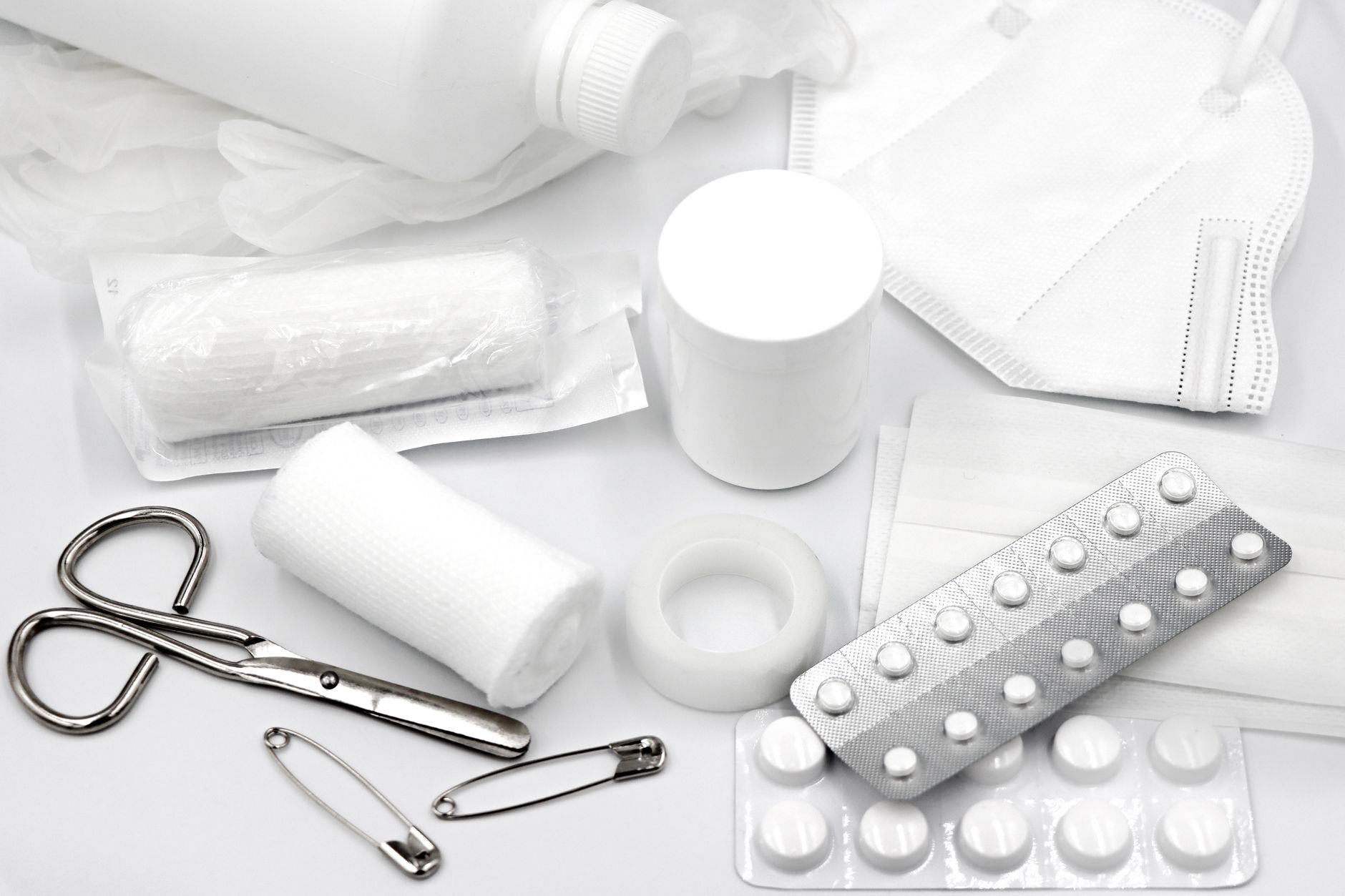
A first aid kit checklist for your car should cover wound care, medications, tools, and emergency supplies tailored to your driving environment. Building a complete kit means thinking about common injuries on the road, from cuts and scrapes to allergic reactions or minor burns. You also need to account for the climate you drive in and how many people travel with you regularly. A well stocked checklist helps you avoid forgetting critical items when you need them most.
Essential Wound Care Items for Your Car Kit
Wound care is the most used category in any vehicle first aid kit. Include adhesive bandages in multiple sizes, sterile gauze pads, and medical tape to secure dressings. Antiseptic wipes or spray help clean a wound before bandaging, reducing infection risk.
Add a pair of disposable gloves to protect yourself when treating someone else. A roll of elastic bandage can support sprains or hold gauze in place. For deeper cuts, include a hemostatic dressing or a compact trauma pad.
Medications and Allergy Relief
Pain relievers like ibuprofen or acetaminophen manage headaches, muscle aches, or fever. Antihistamines are essential if you or a passenger experience allergic reactions to insect stings, pollen, or food while traveling.
Include antacids for stomach upset, and if anyone in your household has severe allergies, add an epinephrine auto injector (with a prescription). Motion sickness medication is also a thoughtful addition for long trips or winding roads.
Tools and Instruments for Emergency Use
A pair of tweezers removes splinters, ticks, or glass fragments. Small scissors cut tape, gauze, or clothing away from an injury. A safety pin can secure a sling or pop a blister in a clean way.
A digital thermometer checks for fever, which matters if someone feels ill far from home. Include a CPR face shield or pocket mask for emergencies. A space blanket or emergency mylar blanket helps treat shock or hypothermia.
Emergency Survival Supplies You Should Include
Beyond medical items, your checklist should include survival basics. Pack a flashlight with extra batteries, a whistle to signal for help, and a multi tool that includes pliers and a knife. These items become critical if you break down in a remote area.
Add a notepad and pencil to leave notes or record information. Include a list of emergency contact numbers and your insurance details in a waterproof bag. Hand sanitizer or wet wipes keep hands clean when soap and water are not available.
Seasonal Considerations for Your Checklist
Your car first aid kit should change with the seasons. In cold months, add hand warmers, a mylar blanket, and an ice scraper with a built in snow brush. In hot months, include extra water, electrolyte packets, and sunblock.
If you drive in areas with heavy rain or snow, add flares or reflective triangles and a rain poncho. Knowing your local weather helps you tailor the checklist so you are never caught without the right supplies.
Vehicle Specific Additions for Your Kit
Think about the number of passengers your vehicle typically carries. A family minivan needs enough supplies for four or five people, while a two seat commuter car may need only a basic set. Include a list of items specific to your car, like an extra phone charger or a tire repair kit if you have space.
Store your kit in a durable, waterproof container that fits in the trunk or under a seat. Check your kit every six months to replace expired medications or used items. A well maintained first aid kit is more reliable than one you assemble once and forget.
How to Build Your Car First Aid Kit
- Start with wound care basics: bandages, gauze, tape, antiseptic wipes, and gloves.
- Add pain relievers, antihistamines, antacids, and any prescription items your family needs.
- Include tools like tweezers, scissors, a thermometer, and a CPR shield.
- Pack survival items: flashlight, whistle, multi tool, space blanket, and emergency flares.
- Adjust for season and climate: hand warmers in winter, extra water in summer.
- Tailor the quantity to your vehicle’s typical passenger count.
- Store everything in a waterproof container and check it twice a year.
For a deeper look at automotive safety products and accessories, visit our Automotive category where you will find guides on related gear that keeps you prepared on the road.
Related Guides
Frequently Asked Questions
What is the minimum size for a car first aid kit?
The minimum size depends on your vehicle and travel habits. A basic kit for a single commuter needs about 20 items, while a family kit for road trips should have 30 to 40 items. Focus on versatility over volume.
Should I include a tourniquet in my car first aid kit?
A tourniquet is recommended only if you or a passenger receives proper training in its use. Improper application can cause serious harm. For most drivers, hemostatic gauze and direct pressure are safer options for severe bleeding.
How often should I check my car first aid kit?
Check your kit every six months, ideally at the start of summer and winter. Replace expired medications, replenish used items, and confirm no seals are broken. Set a calendar reminder to make this a habit.
Can I use a home first aid kit in my car?
You can, but a home kit usually lacks survival items like a flashlight, whistle, or space blanket. It also may not be stored in a waterproof, car compatible container. It is better to build a separate kit designed for vehicle conditions.
What is the best container for a car first aid kit?
A hard shell, waterproof case with a latch works best. It protects contents from temperature swings, moisture, and crushing. Soft pouches are fine if kept in a glovebox but offer less protection in the trunk.
Building a first aid kit checklist for your car means covering wound care, medications, tools, survival supplies, and season specific items. For more on automotive safety gear, explore our Automotive category to find products that keep you prepared on every trip.