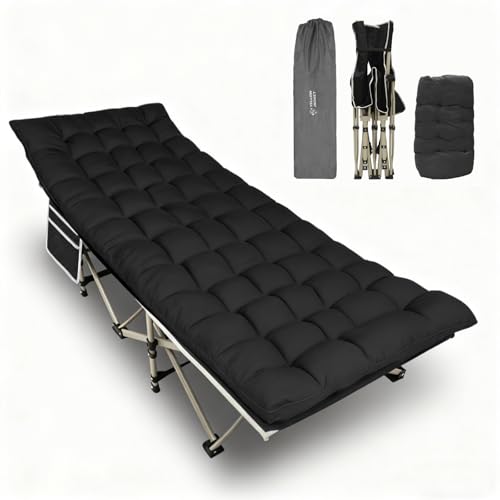
Imagine setting up camp after a long day on the trail, only to find rocky, uneven ground or damp soil that makes sleeping a challenge. A backpacking hammock solves this by letting you sleep suspended between trees, offering comfort and versatility that a tent can’t match. In this guide, we review the best backpacking hammocks of 2026, covering options from budget-friendly doubles to all-in-one kits with rain flies and bug nets. Whether you’re a thru-hiker or a weekend warrior, we’ve got you covered. For more on shelter options, check out our top picks for lightweight solo shelters.


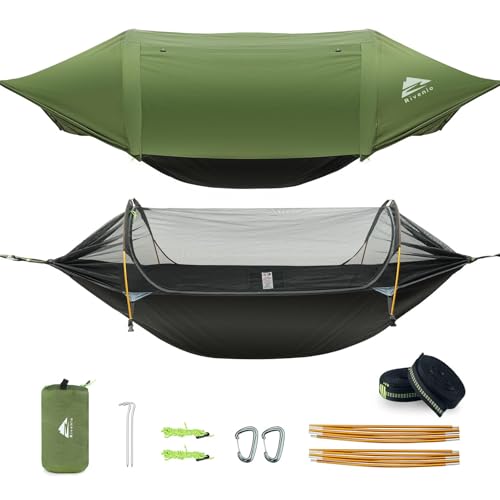
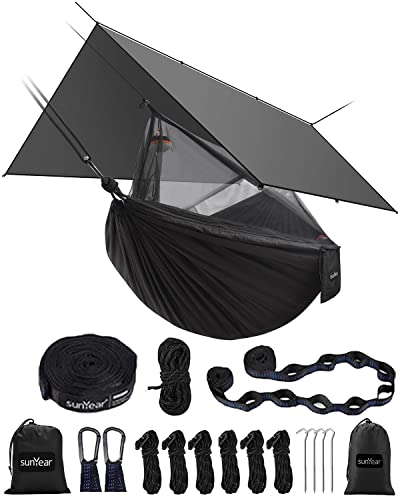
Buying Guide for Backpacking Hammocks
Weight and Packed Size
Every ounce matters when you’re carrying your home on your back. A true backpacking hammock should weigh around 2 pounds or less and pack down small enough to fit inside your pack or attach to the outside. Look for fabrics like 210T parachute nylon, which balances durability with low weight. Some models include integrated bug nets and rain flies, adding to the total weight but saving you from bringing extra gear. Evaluate your needs: a minimalist setup might consist of a hammock and straps, while a full kit can replace your tent system.
Capacity and Comfort
Backpacking hammocks typically come in single or double sizes. Single hammocks are lighter and often preferred for solo trips, while doubles give you room to spread out or share with a companion. Check the length and width: a 9- to 10-foot hammock provides a flat lay for most adults. Weight capacities range from 400 to 700 pounds, so ensure the hammock supports your gear and body weight. For more on tent alternatives, see our best 2-person backpacking tent recommendations.
Weather Protection
If you plan to sleep in a hammock, a rain fly is essential for staying dry. Some hammocks come with an integrated tarp, while others require a separate purchase. Look for waterproof materials like ripstop nylon with sealed seams. A ridgeline helps keep the fly taut and prevents sagging. Bug nets are also recommended in warmer months; models with attached nets are convenient and prevent gaps. For all-weather options, consider a complete hammock system that includes a rain fly and bug net.
Ease of Setup
A complicated setup can ruin the camping experience. The best backpacking hammocks use adjustable tree straps with multiple loops, allowing you to hang at the perfect height without knots. Look for aluminum carabiners and lightweight hardware. Some models include poles to support the mosquito net, making setup even faster. Practice at home before heading out to ensure you can set up quickly in the dark or rain. For more tips, browse our outdoor category for gear guides.
Final Thoughts
After evaluating the top contenders, we believe the Covacure Camping Hammock offers the best value for campers who want a spacious double hammock with a built-in mosquito net and strong 772-pound capacity, while the Rivenlo Camping Hammock Tent with Mosquito Net stands out for backpackers needing an all-in-one solution with a rain fly and bug protection in a lightweight package. Both models have been verified for comfort and reliability, ensuring a great night’s sleep under the stars.
Frequently Asked Questions
Can you use a backpacking hammock in winter?
Yes, with proper insulation. Hammocks don’t trap heat from below, so you need an underquilt or sleeping pad to prevent cold air from cooling your back. A 4-season rain fly can also block wind and snow. Some hammock kits include a weatherproof tarp that improves cold-weather performance.
How do I choose the right size backpacking hammock?
Length matters more than width for comfort. A hammock that is 9 to 11 feet long allows you to lie diagonally for a flat position. Single hammocks suit solo sleepers under 6 feet tall, while double hammocks offer extra length and width for taller people or two people. Always check the weight limit to match your body weight plus gear.
Is a hammock with a bug net necessary for backpacking?
If you’re camping in areas with mosquitoes, flies, or ticks, a bug net is highly recommended. Many backpacking hammocks include an integrated net, which is lighter and easier to set up than separate ones. For summer trips, the net also provides airflow while keeping you bite-free. Some models let you detach or store the net when not needed.
How do you sleep comfortably in a backpacking hammock?
Sleep diagonally across the hammock to achieve a flatter angle, which reduces back strain. A small pillow or rolled clothing under your neck helps. Adjust the hang with tree straps so the hammock forms a 30-degree angle. Using a sleeping pad or underquilt adds warmth and support. For more tips, read our Black Friday deals on camping gear.