You’re prepping pancakes for a Sunday brunch, but the batter splashes over the rim of your regular mixing bowl. Or you’re breading chicken for dinner, and your countertop looks like a flour bomb went off. A dedicated batter bowl solves these annoyances with features like pour spouts, non-slip bases, and lids that keep everything contained. In this guide, we’ve evaluated nine top-rated batter bowls for 2026 to help you choose the right one for your kitchen. If you’re also looking for versatile mixing options, check out our best nesting mixing bowls review for space-saving alternatives.




Buying Guide: What to Look for in a Batter Bowl
Material: Glass vs. Plastic
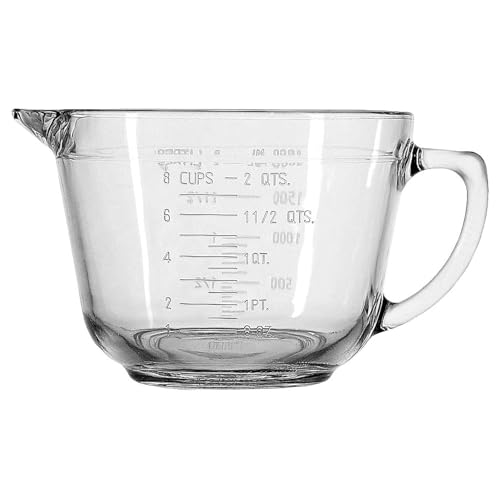
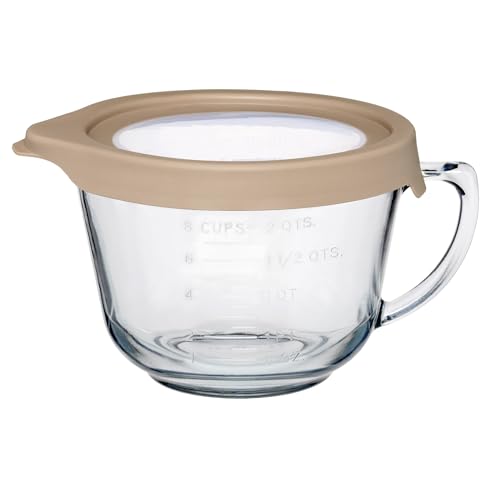
Glass batter bowls, like the Anchor Hocking models, are microwave and oven safe up to 425 degrees, making them ideal for melting butter or reheating. They are nonporous and won’t retain odors. Plastic bowls, such as those from OXO and CanCooker, are lightweight, shatterproof, and often collapsible for easy storage. Consider your typical tasks: glass for all-in-one mixing and heating, plastic for portability and breading.
Capacity and Size
Batter bowls range from 2 quarts to 4 quarts. A 2-quart bowl handles pancake batter, a single batch of cookies, or breading for a pound of wings. Larger 4-quart bowls accommodate bigger batches, like double cake recipes or multiple fillets. If you often cook for a crowd, consider the OXO Good Grips 4Qt model. For everyday use, a 2-quart size is versatile. For more on bowl sizes, see our best mixing bowls with lids guide.
Spout and Handle Design
A well-designed spout allows you to pour batter directly onto a griddle or into a pan without drips. The Nordic Ware Better Batter Bowl and Anchor Hocking models feature prominent spouts. A comfortable, non-slip handle is equally important, especially when the bowl is full. The OXO Good Grips line excels with soft, ergonomic handles that stay put even with wet hands.
Ease of Cleaning and Storage
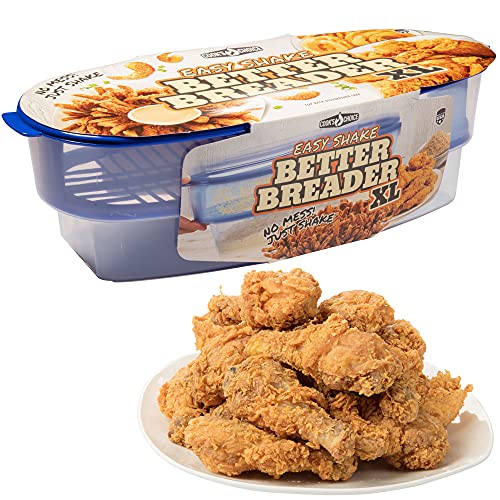
Dishwasher safety is a must for most home cooks. Glass bowls are dishwasher safe and stain resistant. Plastic bowls with lids, like the CanCooker collapsible models, can be cleaned easily and then flattened for storage. The COOK’S CHOICE XL Breader Bowl has an airtight lid that can store leftover breading, reducing waste. For more on glass options, read our best glass mixing bowls review.
Final Thoughts
After reviewing nine batter bowls, we found two standouts that cover different needs. For those who love the durability and versatility of glass, the Anchor Hocking Batter Bowl is a classic choice with etched measurements and a pour spout that works for everything from cakes to stews. If you prefer a lightweight, non-slip option that stays put on the counter, the OXO Good Grips 2 Qt Batter Mixing Bowl delivers comfort and precision. Both are built to last and will make your mixing and breading tasks far more enjoyable.
Frequently Asked Questions
What is a batter bowl used for?
A batter bowl is designed to mix, measure, and pour batters and breading with minimal mess. Its spout and handle make it easy to transfer batter to a pan, and many models include lids for shaking breading onto food.
Can I use a batter bowl for other mixing tasks?
Absolutely. These bowls work well for mixing salad dressings, whisking eggs, or preparing marinades. Some glass models can even go in the oven for baking. For whisking tasks, check out our best balloon whisk recommendations.
Are glass batter bowls microwave safe?
Yes, tempered glass batter bowls from Anchor Hocking are microwave safe and can also be used in a preheated oven up to 425 degrees. Plastic bowls are generally not microwave safe unless specified.
How do I clean a batter bowl after breading?
Most batter bowls are dishwasher safe. For plastic models with lids, rinse out excess breading first to prevent clogs, then place in the dishwasher. Glass bowls can go straight in the dishwasher without staining.