

Introduction: Finding Your First Great Chef Knife
You have decided to take your cooking seriously. Maybe you are tired of struggling with a dull, unbalanced blade that makes chopping an onion feel like a chore. The right chef knife transforms meal prep from a task into a pleasure. This guide cuts through the noise to find the best chef knife for beginners in 2026, focusing on models that offer excellent value, reliable performance, and a comfortable grip for new cooks. We have evaluated seven top contenders to help you start your collection with confidence.
Whether you are a college student in your first apartment or a home cook ready to upgrade from a basic set, an 8-inch chef knife is the most versatile tool you can own. It handles chopping, slicing, dicing, and mincing with ease. Our picks range from budget-friendly workhorses to premium performers, all chosen for their ability to help you learn proper technique without frustration.
For more on building your kitchen toolkit, check out our guide on the best chef knife under 100.




Buying Guide: What to Look for in a Beginner Chef Knife
Blade Material and Sharpness
The blade steel determines how long your knife stays sharp and how easy it is to maintain. High-carbon stainless steel is the sweet spot for beginners. It resists rust and stains while holding an edge far better than budget stainless. Look for knives with a Rockwell hardness (HRC) of 55 to 60. This range balances edge retention with the ability to be resharpened at home.
A sharp knife is safer than a dull one because it requires less force and is less likely to slip. The best beginner knives come ready to use out of the box, with a factory edge around 15 to 20 degrees per side. This angle offers a good mix of sharpness and durability for everyday tasks.
Handle Ergonomics and Balance
Comfort is critical when you are learning. A handle that fits your hand and provides a secure, non-slip grip will reduce fatigue and improve control. Look for a full tang construction where the blade metal extends through the handle. This adds weight and balance, making the knife feel solid and predictable.
Materials like Pakkawood, textured nylon, or molded rubber offer excellent grip even when wet. The handle shape should allow a pinch grip on the blade, which gives you the most control. Avoid handles that are too thick or too thin for your hand size.
For more on kitchen essentials, see our Kitchen category page.
Weight and Blade Length
An 8-inch blade is the standard for a reason. It is long enough to slice through large vegetables and melons, yet short and agile enough for precise work. For beginners, a knife that weighs between 7 and 10 ounces is ideal. Too light, and it may lack momentum for tough cuts. Too heavy, and your wrist will tire quickly.
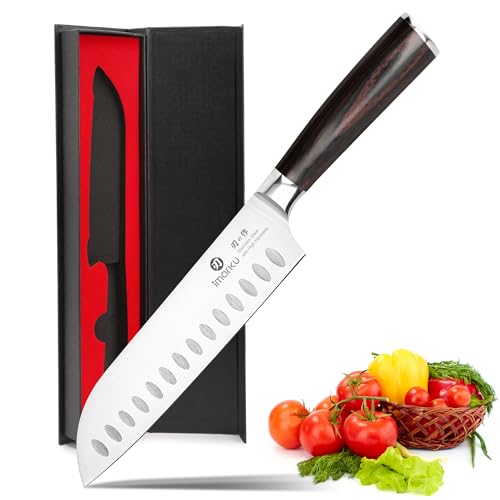
If you have smaller hands, consider a 7-inch Santoku style, which offers a similar profile with a slightly shorter, lighter blade. The best way to choose is to hold the knife. The balance point should fall at or just behind the bolster, where your index finger and thumb grip the blade.
Ease of Maintenance
Beginners should prioritize knives that are simple to care for. High-carbon stainless steel is dishwasher safe in some cases, but hand washing is always recommended to preserve the edge and handle. A knife that comes with a blade guard or a storage sheath is a plus, as it protects the edge and prevents accidents in the drawer.
Honing with a steel rod should be done regularly to realign the edge, while sharpening with a whetstone or a pull-through sharpener is needed less often. Choose a knife that does not require professional sharpening every few months.
Explore more kitchen tools in our best sous vide container guide.
Final Thoughts
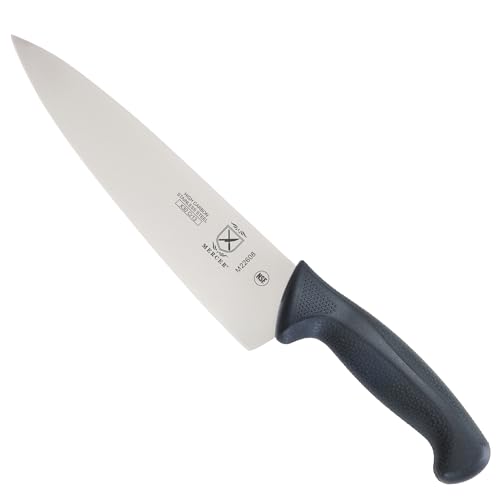
After evaluating all seven knives, two stand out for different reasons. The PAUDIN Chef Knife, 8 Inch High Carbon Stainless offers incredible value for its price, with a sharp, well-balanced blade and an ergonomic wooden handle that feels great in the hand, making it an ideal starter knife for anyone on a budget. For those ready to invest a bit more for superior edge retention and a professional-grade feel, the Mercer Culinary M22608 Millennia Black Handle is a trusted choice used by culinary students, featuring a high-carbon Japanese steel blade and a textured handle that provides a secure, comfortable grip for hours of prep work. Both knives will serve you well as you build your skills and confidence in the kitchen.
Frequently Asked Questions
What size chef knife is best for a beginner?
An 8-inch chef knife is the most versatile size for beginners. It handles almost all cutting tasks, from chopping onions to slicing roasts, without being too large or too small. If you have smaller hands, a 7-inch Santoku knife is a great alternative.
How do I keep my chef knife sharp?
Use a honing steel regularly, ideally before each use, to realign the edge. For actual sharpening, use a whetstone or a pull-through sharpener every few months, depending on usage. Avoid using glass or ceramic cutting boards, as they dull blades quickly.
Is a full tang knife necessary for beginners?
While not absolutely necessary, a full tang knife offers better balance and durability, which helps with control and safety. Many affordable beginner knives, like the Amazon Basics Classic 8-inch Full Tang High Carbon, offer this feature at a low price point.
Can I put my chef knife in the dishwasher?
It is strongly recommended to hand wash your chef knife with warm water and mild soap, then dry it immediately. Dishwashers can dull the blade, damage the handle, and cause rust over time. For the longest life, hand washing is the best practice.
For more tips on kitchen tools, check our best vacuum sealer for sous vide article.

