If you have ever struggled with lower back pain during conventional deadlifts or felt your form break down under heavy loads, a dedicated deadlift bar can transform your training. Unlike a straight barbell, a hex or trap bar centers the weight around your body, reducing spinal shear and allowing for a more natural pulling position. Whether you are a beginner building foundational strength or an experienced lifter aiming for a new personal record, choosing the right deadlift bar is essential for both performance and injury prevention. In this guide, we evaluate six top-rated models to help you find the best deadlift bar for your specific needs and budget.
For more essential home gym equipment, check out our reviews on the best trap bar options for complete strength training.


Buying Guide: What to Look for in a Deadlift Bar
Design and Safety Features
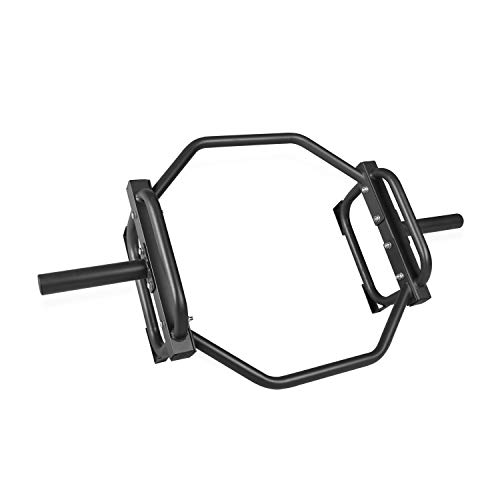
The shape of a deadlift bar directly affects your lifting mechanics. Closed hex bars offer a stable, symmetrical frame ideal for heavy pulls and carries, while open-ended designs allow for a wider range of motion and exercises like split squats or lunges. Look for a design that minimizes lower back strain and encourages proper posture during lifts.
Many modern trap bars incorporate elevated grips that reduce the range of motion, making them more accessible for lifters with mobility limitations. Integrated foot supports or built-in deadlift jacks can also simplify plate changes and protect your floors.
Weight Capacity and Sleeves
Your deadlift bar must handle the loads you plan to lift. Capacities range from 400 pounds for entry-level bars up to 800 pounds for heavy-duty models. Consider both your current strength and your progression goals. Additionally, the sleeve length determines how many weight plates you can load; standard lengths are around 10 to 11 inches, which accommodate most training needs.
Grip and Comfort
Knurling pattern and handle thickness significantly affect your grip security and comfort during prolonged sets. Some bars feature diamond knurling for extra traction, while others use rotating handles to reduce wrist torque. A comfortable grip allows you to focus on the lift rather than holding on.
For more on building your home gym setup, explore our guide to the best barbell set for home gym.
Construction and Durability
Solid steel construction with a corrosion-resistant coating ensures your bar withstands years of heavy use. Welds should be clean and strong, and the bar should resist bending under maximum loads. A commercial-grade bar is an investment that pays off in reliability and safety.
Final Thoughts
Choosing the best deadlift bar ultimately comes down to your training style, space, and budget. For most home gym enthusiasts, the CAP Olympic Trap and Shrug Bar, Elevated Grip offers an outstanding balance of durability and value, while the Trap Bar [Bells of Steel] Hex Bar Deadlift stands out for serious lifters who demand commercial-grade performance and built-in convenience features like rotating sleeves and a deadlift jack. Both models will upgrade your deadlift sessions and help you train safer for years to come.
Frequently Asked Questions
Is a deadlift bar better than a straight barbell for deadlifts?
A deadlift bar (hex or trap bar) centers the load around your center of gravity, which reduces stress on your lower back and allows for a more upright posture. This makes it a safer option for many lifters, especially those with prior back issues. However, a straight barbell remains standard for powerlifting competitions.
What size weight plates do these bars use?
All the deadlift bars reviewed in this article feature 2-inch Olympic sleeves, meaning they accept standard Olympic weight plates. Make sure your current plate set is compatible before purchasing.
Can I do other exercises besides deadlifts with a trap bar?
Absolutely. Trap bars are versatile tools for shrugs, farmer’s carries, squats, lunges, and even overhead presses (with open-ended models). This versatility makes them an excellent addition to any home gym. For more ideas, see our best weight plates for home gym guide.
What is the weight capacity of a typical deadlift bar?
Capacity varies by model, ranging from 400 to 800 pounds for the bars we reviewed. Always check the manufacturer’s recommended maximum weight to ensure it meets your training demands.