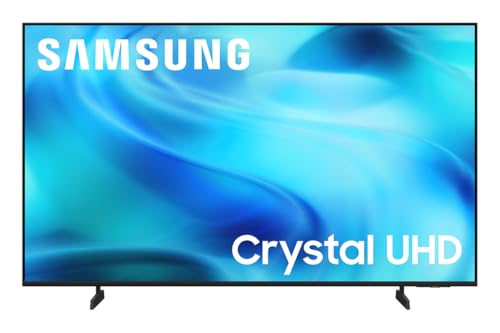
You have been searching for a new TV that makes movies, sports, and games look absolutely stunning. Dolby Vision is the key to that next-level picture quality, with richer colors, deeper blacks, and incredible brightness that brings every scene to life. Whether you are upgrading your main living room screen or adding a secondary set for the bedroom, finding the right Dolby Vision TV can feel overwhelming with so many options. That is why we have done the hard work for you. We have reviewed the latest models from top brands like Hisense, TCL, and Roku to help you find the perfect fit for your space and budget. Our guide covers both full-featured TVs and streaming devices that bring Dolby Vision to any display, so you can enjoy that cinematic experience no matter what you watch. Check out our full guide to smart TVs for more insight on features that matter most.




Buying Guide: What to Look for in a Dolby Vision TV
Picture Quality and HDR Performance
The heart of any Dolby Vision TV is its ability to display HDR content with precision. Dolby Vision is a dynamic HDR format that adjusts scene by scene, so look for a TV with high peak brightness and a wide color gamut. QLED and Mini LED technologies, like those in the TCL QM6K Series, deliver exceptional brightness and color volume that make Dolby Vision pop. The Hisense E6 Cinema Series uses Hi-QLED color and a Total HDR Solution that supports Dolby Vision, HDR10+, and HDR10, meaning you get accurate tones and deep contrast no matter the source. For a deeper dive into what makes a TV great for HDR, explore our best TVs of 2026 list.
Refresh Rate and Gaming Features
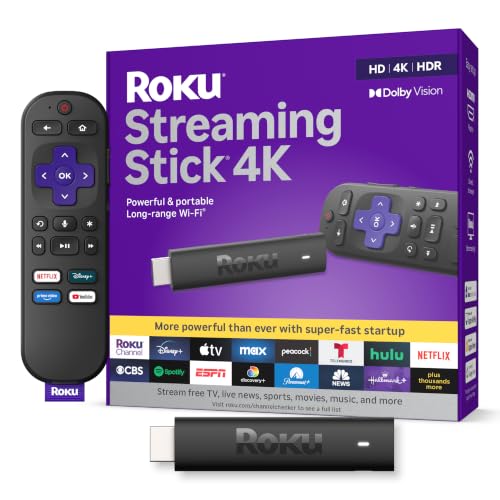
If you enjoy fast-paced action movies or gaming, a high refresh rate is essential. Many Dolby Vision capable TVs now offer 120Hz or 144Hz panels, providing smooth motion and reduced blur. The TCL 55″ T7 model features a 120Hz panel with Motion Rate 480 and MEMC frame insertion, making it a solid choice for sports and gaming. Even the streaming devices we recommend, like the Roku Streaming Stick 4K, support Dolby Vision at 60Hz, which is perfect for most content. For gamers, low input lag and VRR support are also important, the TCL QM6K series offers 144Hz native refresh rate with Motion Rate 480 for ultimate fluidity.
Smart Platform and Ease of Use
The smart platform determines how quickly you can access your favorite streaming apps and how intuitive the interface feels. The Hisense E6 uses Fire TV with Alexa voice control, while both TCL models run Google TV, each offering robust app selections and voice assistants. If you prefer a standalone streaming device, the Roku Ultra is 30% faster than other Roku players and supports both Dolby Vision and Dolby Atmos. The Roku Streaming Stick 4K is a compact, affordable option that turns any TV into a Dolby Vision powerhouse. All these platforms are easy to set up and navigate, but if you want a minimalist remote and clutter-free home screen, Roku is hard to beat. Our blog has more tips on choosing the right streaming platform for your needs.
Size and Setup Considerations
Dolby Vision looks best on a larger screen, but size also depends on your room and viewing distance. The Hisense 43″ E6 is great for smaller spaces or a bedroom, while the TCL 55″ models offer a more immersive experience for living rooms. If you already own a TV without Dolby Vision, the Roku Streaming Stick 4K or Roku Ultra can upgrade your setup instantly, just plug into an HDMI port and you are ready to go. Both streaming devices come with voice remotes and support Dolby Vision and HDR10+, making them a cost-effective way to get stunning picture without buying a new TV. For more advice on sizing, visit our TVs category page.
Final Thoughts
Choosing the right Dolby Vision setup ultimately comes down to your current TV and how you plan to use it. If you need a full television that delivers vibrant HDR and smooth gaming performance, we recommend the Hisense 43″ E6 Cinema Series Hi-QLED 4K UHD for its excellent value and comprehensive HDR support. For those who already own a TV but want to unlock Dolby Vision’s potential, the Roku Streaming Stick 4K with Voice Remote is an incredibly simple and affordable upgrade that transforms any HDMI display into a Dolby Vision powerhouse. Either way, you will enjoy breathtaking picture quality that makes every movie, show, and game feel like a cinematic event.
Frequently Asked Questions
What is Dolby Vision and why is it important?
Dolby Vision is a dynamic HDR format that enhances contrast, brightness, and color on a scene-by-scene basis. It provides a more lifelike image than standard HDR10, making it a must-have for home theater enthusiasts in 2026. With Dolby Vision, you see details in shadows and highlights that would otherwise be lost.
Do I need a Dolby Vision TV to watch Dolby Vision content?
Yes, to experience Dolby Vision fully, your TV must support the format. Many modern TVs from Hisense and TCL come with built-in Dolby Vision. However, if your current TV does not support it, you can use a streaming device like the Roku Streaming Stick 4K or Roku Ultra, which can pass Dolby Vision to compatible displays. Just make sure your TV has an HDMI port that supports HDCP 2.2 and a sufficient resolution.
Can I add Dolby Vision to an older TV?
Yes, by using a streaming device that supports Dolby Vision, such as the Roku Streaming Stick 4K or Roku Ultra, you can add Dolby Vision playback to an older 4K TV. The device processes the Dolby Vision signal and outputs it to your TV via HDMI. However, the final picture quality still depends on your TV’s brightness and color capabilities, you may not get the full HDR effect on an older panel with lower peak brightness.
What is the difference between Dolby Vision and HDR10+?
Both Dolby Vision and HDR10+ are dynamic HDR formats, but Dolby Vision uses 12-bit color depth (although most consumer panels are 10-bit) and supports higher peak brightness levels. HDR10+ is royalty-free and used by some platforms like Amazon Prime Video. Many TVs, including the Hisense E6, support both formats, so you are covered regardless of the source. For a detailed comparison, see our best TVs of 2026 guide.