If you juggle two phone numbers for work and personal life, a dual SIM Android phone is your best ally. No more carrying two devices or swapping SIM cards. In 2026, the market offers solid options that keep you connected without breaking the bank. This guide focuses on four verified dual SIM Android phones: three Samsung Galaxy A16 variants and the Motorola Moto G Play LTE. We evaluated their dual SIM capabilities, battery life, camera performance, and overall value to help you choose the right companion. For more context on premium options, check our roundup of top Android phones under $800.


Buying Guide for Dual SIM Android Phones
Dual SIM Implementation: Active vs. Standby
Not all dual SIM phones work the same way. Most budget models use dual SIM dual standby (DSDS), meaning both SIMs can receive calls or texts, but only one can use data at a time. The Samsung Galaxy A16 models and the Motorola Moto G Play LTE all support DSDS, which is perfectly fine for everyday use. If you need simultaneous 4G data on both lines, you’d need a higher-tier device, but for most users, standby mode is sufficient.
Battery Life That Keeps Up
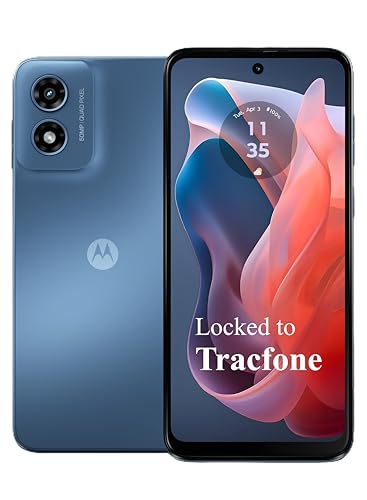
Running two SIMs can drain battery faster, but these phones pack 5000mAh cells. The Samsung Galaxy A16 models and the Motorola Moto G Play LTE all offer all-day endurance. With moderate usage, you can easily go a full day without reaching for a charger. For a deeper dive into budget-friendly phones with great battery life, see our best android phones under $500 guide.
Camera Quality for Daily Shots
The Samsung Galaxy A16 models feature a 50MP main camera that captures detailed photos in good light. The Motorola Moto G Play LTE also uses a 50MP sensor with Quad Pixel technology for better low-light performance. If photography matters to you, the Samsung offers a triple-camera setup with ultrawide and macro lenses, giving you more versatility.
Display and Performance
A smooth display makes everyday tasks more enjoyable. The Samsung Galaxy A16 models boast a 6.7-inch Super AMOLED screen with 90Hz refresh rate, delivering vibrant colors and fluid scrolling. The Motorola Moto G Play LTE has a 6.5-inch HD+ display with 90Hz refresh rate as well. For performance, the Samsung runs on an octa-core processor, while the Motorola uses a Snapdragon 680. Both handle social media, calls, and light gaming without lag. If you’re considering other price tiers, explore our top Android phones under $600 for more options.
Final Thoughts
After reviewing these dual SIM Android phones, our top recommendations cater to different needs. If you want a reliable workhorse with a stunning display and versatile camera, go with the Samsung Galaxy A16 4G LTE (128GB + 4GB). For a budget-friendly option that still delivers solid dual SIM support and great battery life, the Motorola Moto G Play LTE | Unlocked is an excellent choice. Both phones will keep you connected without compromise.
Frequently Asked Questions
Can I use two SIMs simultaneously on these phones?
Yes, all four phones support dual SIM dual standby. You can receive calls and texts on both numbers, but only one SIM can use mobile data at a time. This is standard for budget and mid-range dual SIM phones in 2026.
Are these phones compatible with US carriers?
The Samsung Galaxy A16 models are international GSM versions and work with T-Mobile and its MVNOs in the US. They are not compatible with Verizon, AT&T, or CDMA carriers. The Motorola Moto G Play LTE is a US unlocked model and works with all major carriers including T-Mobile, AT&T, and Verizon. Check carrier compatibility before purchasing.
Do these phones support eSIM?
None of the phones in this list support eSIM. They rely on physical nano-SIM cards. If you need eSIM functionality, you may want to look at higher-end models. For more details on phone features, visit our Phones category page.
How much storage do they offer?
The Samsung Galaxy A16 models come with 128GB of built-in storage, expandable via microSD. The Motorola Moto G Play LTE has 64GB internal storage and supports microSD cards up to 1TB. Both provide enough space for apps, photos, and media.