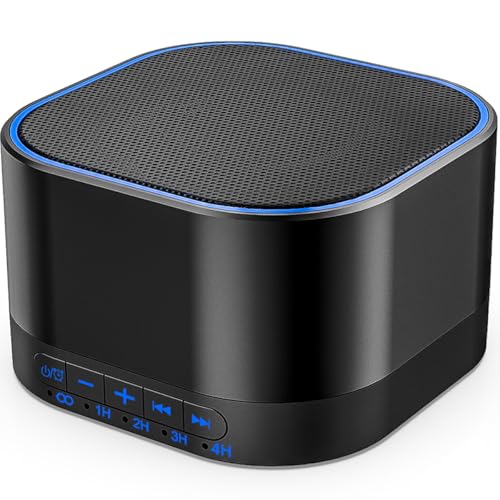
Is your sleep constantly interrupted by a snoring partner, noisy neighbors, or the hum of traffic? Do you find it hard to concentrate at work or study in a bustling environment? If so, you’re likely in need of reliable ear plugs for noise reduction. This guide is designed for anyone seeking a quieter, more peaceful environment, whether at home, at work, or while traveling. We’ll explore three top-rated options, each with unique strengths to suit different preferences and needs.
Finding the right ear plugs can be a game-changer for your sleep quality, focus, and overall well-being. With so many options available, it can be overwhelming to choose the right one. That’s why we’ve done the research for you, evaluating comfort, noise reduction capabilities, and overall value. For more ways to create a serene sleep environment, check out our guide on the best sound machine for sleep to complement your ear plugs.



Buying Guide: How to Choose the Right Ear Plugs for Noise Reduction
Selecting the best ear plugs for noise reduction involves more than just picking the first pair you see. Consider these key factors to ensure you get the perfect fit for your specific needs.
Noise Reduction Rating (NRR)
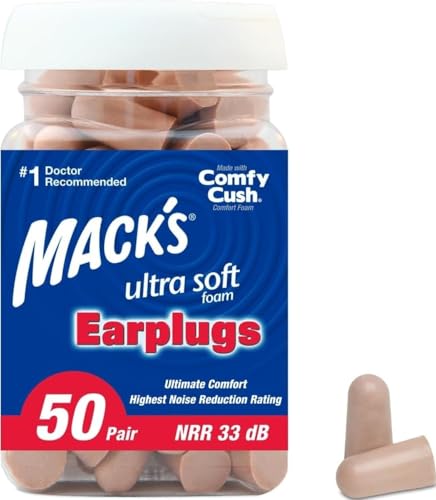
The Noise Reduction Rating (NRR) indicates how many decibels of noise the ear plugs can block. A higher NRR means greater noise reduction, which is crucial for very loud environments or for those who are sensitive to sound. For example, foam ear plugs often have an NRR of 33 dB, while silicone ear plugs might offer up to 24 dB or even 45 dB with advanced technology.
Consider your typical noise environment. If you’re dealing with a snoring partner, you might need a higher NRR. For general focus or travel, a moderate NRR might suffice. Always check the product’s specifications to ensure it meets your needs.
Comfort and Fit
Comfort is paramount, especially if you plan to wear ear plugs for hours at a time, such as while sleeping. Look for ear plugs made from soft, flexible materials like silicone or memory foam. Many brands offer multiple ear tip sizes to ensure a snug, personalized fit. If you’re a side sleeper, you’ll want ear plugs that don’t protrude too much and are comfortable against the pillow.
Remember that a comfortable ear plug is more likely to stay in place and provide consistent noise reduction. It’s worth trying a few different styles to find what feels best for your ears.
Reusable vs. Disposable
Ear plugs come in two main types: reusable and disposable. Reusable ear plugs, often made of silicone or moldable materials, are more eco-friendly and cost-effective in the long run. They are easy to clean and can last for months. Disposable foam ear plugs are convenient for travel or occasional use, but they need to be replaced regularly.
Your lifestyle and frequency of use will determine which type is best for you. If you use ear plugs daily, investing in a high-quality reusable pair is a wise choice. For occasional use, disposables might be more practical.
Intended Use
Think about where and when you’ll be using ear plugs. For sleep, you might prioritize comfort and low profile. For studying or working, you might want ear plugs that reduce noise but still allow you to hear important sounds like alarms or conversations. For concerts or loud events, you’ll need maximum protection. Each product is designed with specific use cases in mind, so align your choice with your primary need.
If you’re also looking for a white noise machine to mask disruptive sounds, our best white noise machine for sleeping guide offers excellent options to pair with your ear plugs.
Final Thoughts
Choosing the right ear plugs for noise reduction ultimately comes down to your personal preferences and specific needs. If you value premium comfort and a sleek, reusable design that’s perfect for sleep and focus, the Loop Quiet 2 Ear Plugs – Ultra-Comfy Reusable is an excellent choice. For those on a budget who need maximum noise reduction and don’t mind a disposable option, the Mack’s Ultra Soft Foam Earplugs, 50 Pair offers unbeatable value and reliability. Consider your lifestyle, and you’ll find the perfect fit for a quieter world.
Frequently Asked Questions
What is the highest NRR available for ear plugs?
The highest NRR commonly available is around 33 dB, which is typical for high-quality foam ear plugs. Some silicone ear plugs claim higher reductions, but the NRR is a standardized measure, so always check the product’s official rating. For extremely loud environments, double protection with earmuffs might be necessary.
How do I insert ear plugs correctly?
For foam ear plugs, roll them into a thin cylinder, pull your ear upward and back, and insert them gently. Hold them in place for a few seconds while they expand. For silicone ear plugs, simply twist them into your ear canal until they feel secure. A proper fit ensures maximum noise reduction and comfort.
Can ear plugs damage my hearing?
No, when used correctly, ear plugs are safe and protect your hearing. They reduce the volume of sound reaching your ears, preventing damage from loud noises. However, it’s important to insert and remove them gently to avoid irritation or injury. If you experience pain or discomfort, discontinue use and consult a professional.
How often should I replace my ear plugs?
Disposable foam ear plugs should be replaced after a few uses, especially if they become dirty or lose their shape. Reusable silicone ear plugs can last for months with proper care, including regular cleaning with mild soap and water. Always follow the manufacturer’s instructions for the best longevity and hygiene. If you’re also considering a white noise machine for your baby, check out our best white noise machine for babies guide for safe sleep solutions.