

You are in the middle of a crucial esports match, your crosshair locked onto an opponent. A single misclick or a fraction of a second of lag can cost you the round. The difference between victory and defeat often comes down to your gear, and the mouse in your hand is your primary weapon. For 2026, finding the best esports gaming mouse means balancing lightning-fast response times, pinpoint accuracy, and a shape that lets you play for hours without fatigue. This guide covers four top contenders from Razer and Logitech G, two brands trusted by professional players worldwide. We have evaluated each model on sensor performance, build quality, and wireless reliability to help you choose the right tool for your playstyle. For more insights on competitive gaming setups, check out our best esports gaming mouse overview.


Buying Guide: What Makes an Esports Gaming Mouse Great
Sensor Performance and DPI Range
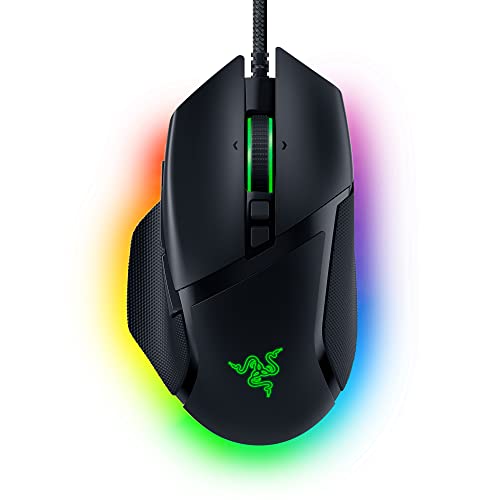
An esports mouse needs a sensor that tracks every movement without smoothing or acceleration. Look for optical sensors with at least 16,000 DPI, though most competitive players stick to lower settings around 400 to 1600 DPI for consistency. The sensor should handle high IPS (inches per second) speeds to prevent spinouts during fast flicks. Models like the Razer Basilisk V3 and Logitech G502 Hero use flagship sensors that deliver pixel-perfect accuracy.
Weight and Shape for Comfort
Lightweight mice reduce fatigue and allow quicker adjustments. Many esports players prefer mice under 100 grams. The Razer Viper V3 HyperSpeed weighs only 82 grams, making it ideal for fast, snappy movements. Ergonomic shape matters too: a palm grip suits larger hands, while claw or fingertip grips benefit from ambidextrous designs. Try to choose a mouse that matches your grip style for hours of comfortable play. For more on lightweight options, see our best budget gaming mouse guide.
Wireless vs. Wired Connectivity
Wireless technology has advanced to the point where latency is virtually indistinguishable from wired. Logitech’s LIGHTSPEED and Razer’s HyperSpeed offer sub-1 ms response times, perfect for competitive play. Wireless mice also eliminate cable drag and allow more freedom of movement. However, wired mice like the Logitech G502 Hero remain popular for their zero battery concerns and lower cost. Consider your setup: if you travel to LAN events, a wireless mouse with long battery life is a smart choice.
Programmable Buttons and Customization
Esports titles often require quick access to abilities, voice chat, or weapon swaps. Extra programmable buttons let you assign macros without taking your fingers off the mouse. The Razer Basilisk V3 offers 11 programmable buttons, while the Logitech G502 Hero includes 11 as well. Software suites like Razer Synapse and Logitech G HUB allow deep customization of DPI stages, lighting, and button mapping. A good mouse adapts to your game, not the other way around.
For a broader look at gaming peripherals, visit our Gaming category page.
Final Thoughts
After evaluating these four esports mice, we recommend the Razer Basilisk V3 Customizable RGB Wired Ergonomic for players who want a feature-rich wired mouse with exceptional ergonomics and RGB customization, while the Logitech G305 Lightspeed Wireless Gaming Mouse is the top choice for those seeking a lightweight, affordable wireless option with incredible battery life. Both models deliver the speed and precision required for competitive gaming, so your final pick should align with your preferred weight, grip, and connectivity style.
Frequently Asked Questions
What DPI do most esports players use?
Most professional esports athletes use a DPI between 400 and 1600, with many preferring 800 DPI as a sweet spot. Higher DPI settings can cause overshooting, so lower sensitivity combined with a large mouse pad is common for precise aim.
Are wireless gaming mice good for esports in 2026?
Yes, modern wireless mice like those using Logitech LIGHTSPEED or Razer HyperSpeed technology offer latency equal to or better than wired mice. They are widely used in tournaments and provide the added benefit of no cable drag.
How often should I replace my esports mouse?
With proper care, a quality gaming mouse can last several years. However, if you notice double-clicking, sensor drift, or worn-out feet, it may be time for an upgrade. Many mice have switches rated for 50 million or more clicks, so durability is rarely an issue for most players.
Is a heavier mouse better for stability?
Some players prefer heavier mice for added stability during slow, precise movements, but most esports competitors favor lightweight designs under 100 grams for faster flick shots and reduced fatigue. The best choice depends on your personal preference and grip style. For more on finding the right weight, check our gaming desk guide for setup tips.


