You just finished a long run, and your quads are screaming. Your calves feel like concrete. You know you need to roll out, but the foam roller you have is either too soft to do anything or too hard to tolerate. Sound familiar? For runners, foam rolling isn’t just a luxury; it’s a critical part of recovery and injury prevention. The best foam roller for runners should be dense enough to release deep muscle knots yet comfortable enough to use regularly. In this guide, we evaluate two top contenders: the The Original Body Roller and the TRIGGERPOINT Performance Therapy Grid Foam Roller. We’ll break down what makes each one suited for different runner needs, so you can pick the right tool for your training. If you’re also looking to round out your fitness gear, check out our reviews of best soccer training equipment for overall athletic conditioning.



Buying Guide: What to Look for in a Foam Roller for Running
Choosing the right foam roller can feel overwhelming with so many options. But for runners, three key factors matter most: density, surface texture, and portability. Here’s what you need to know.
Density: Firm Enough to Release Muscle Knots
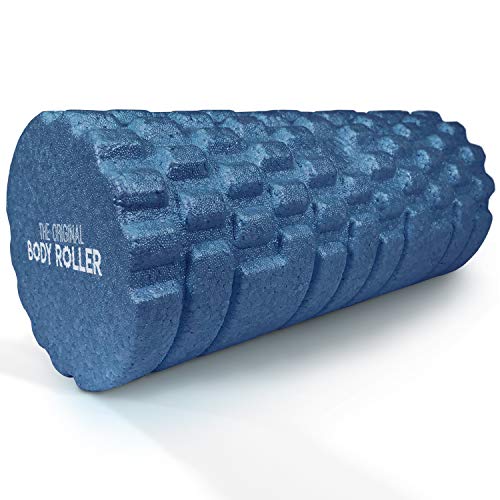
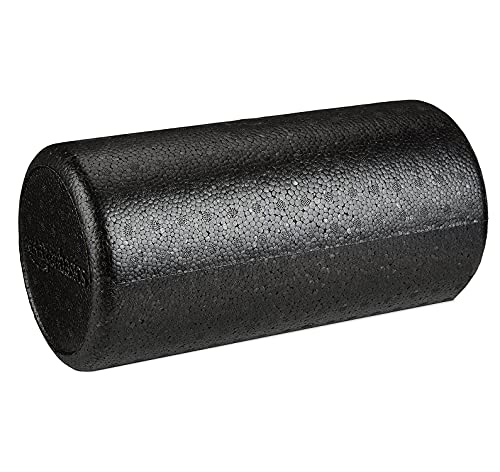
Runners often develop tightness in the IT band, quads, and calves. A foam roller that is too soft won’t effectively break up adhesions in these dense muscle groups. Look for high-density foam or EPP construction. The Original Body Roller uses heavy-duty EPP, which is tough enough for athletes yet still forgiving for beginners. The TRIGGERPOINT roller features a patented multi-density exterior over a rigid hollow core, offering a balance of comfort and deep pressure. Both are firm enough to deliver real myofascial release after a hard run.
Surface Texture: Smooth vs. Textured
The surface design determines how the roller interacts with your muscles. Smooth rollers provide a uniform pressure, while textured rollers mimic the fingers, thumbs, and palms of a massage therapist. The Original Body Roller features a 3D textured surface with triple massage zones, including ridges and spiked bumps. This variety can target specific trigger points more precisely. The TRIGGERPOINT Grid has a distinctive grid pattern that channels muscle tissue into the hollow core, allowing for deeper penetration without excessive discomfort. For runners who prefer a more intense massage, textured options are often better.
Portability and Size
If you travel to races or hit the gym before work, a compact foam roller is a must. The Original Body Roller comes in a lightweight 13-inch model (as well as a 17-inch version for full-body coverage). The TRIGGERPOINT Grid is 13 inches, making it easy to toss in a duffel bag. Both are portable enough to bring to the office or on trips. For more gear that fits an active lifestyle, see our best soccer backpack recommendations for carrying your recovery tools.
Durability and Warranty
A foam roller that loses its shape after a few months is a waste of money. Both products here are built to last. The Original Body Roller uses EPP foam that won’t break down over time. The TRIGGERPOINT Grid is constructed from quality materials that resist compression even after repeated use. While neither offers a formal warranty, their reputation among physical therapists and athletes speaks to their longevity. Investing in a durable roller saves you money in the long run.
If you’re also looking for recovery tools for other sports, check out our reviews of best soccer goalie gloves and best soccer shin guards for protection during play.
Final Thoughts
Both foam rollers excel in their own ways. For runners who want a highly textured, multi-zone roller that offers a deep tissue massage similar to a therapist’s hands, the The Original Body Roller is a fantastic choice at a budget-friendly price. It’s especially good for targeting specific trigger points in the legs and back. On the other hand, if you prefer a tried-and-true design trusted by physical therapists and athletes worldwide, the TRIGGERPOINT Performance Therapy Grid Foam Roller delivers a consistent, effective rolling experience with a denser feel and a hollow core that intensifies pressure. Whichever you choose, adding a quality foam roller to your post-run routine will help you recover faster, improve flexibility, and keep you pounding the pavement for miles to come.
Frequently Asked Questions
How often should runners use a foam roller?
Most runners benefit from foam rolling 4 to 6 times per week, especially after runs. Focus on areas that feel tight, but avoid rolling directly over bones or joints. In 2026, many experts recommend incorporating foam rolling both before and after workouts for optimal performance and recovery.
Can a foam roller help with shin splints?
Foam rolling can help relieve tension in the calves and shins that contributes to shin splints. Using a textured roller like the The Original Body Roller on the calves and anterior tibialis may reduce discomfort. However, if shin pain persists, consult a healthcare professional.
What is the difference between a foam roller and a massage gun?
A foam roller is a passive tool that uses your body weight to apply pressure, ideal for broad muscle groups. A massage gun delivers percussive therapy to specific spots. Both are effective, but a foam roller is often more affordable and easier to use for large areas like the back and legs. For runners, owning both can be beneficial, but a foam roller is a great starting point.
How do I clean my foam roller?
Most foam rollers can be wiped down with a damp cloth and mild soap. Avoid submerging them in water, as moisture can damage the foam core. For textured rollers, use a soft brush to clean out debris from the grooves. Proper care extends the life of your roller, keeping it hygienic for years.
For more recovery tips and gear, browse our Sports & Fitness category. If you’re looking for other wellness products, check out our reviews of best travel makeup mirror and best facial hair removers for women.