

You’re in the final circle, footsteps are approaching through the grass, and your team is counting on you to call out the enemy’s position. A split second of audio delay or a muffled footstep can mean the difference between a victory royale and an early trip back to the lobby. This is why the right gaming headset is non-negotiable for competitive play.
We’ve spent countless hours evaluating the latest wired and wireless options to bring you a focused guide on the best gaming headsets for competitive gaming. Whether you’re a seasoned esports veteran or a weekend warrior looking to climb the ranks, this guide will help you find a headset that delivers pinpoint audio, crystal-clear communication, and the endurance for marathon sessions. We’ll break down key features to consider and highlight some of the top performers on the market.



Buying Guide for Competitive Gaming Headsets
Choosing the right headset for competitive gaming goes beyond just picking something that makes sound. You need a tool that gives you a competitive advantage. Here are the key factors to consider before you make a purchase.
Audio Precision and Drivers
For competitive gaming, you need to hear everything with absolute clarity, from the faintest enemy footsteps to the direction of gunfire. Look for headsets with larger drivers, typically 50mm, as they often provide a better soundstage and more accurate directional audio. This helps you pinpoint exactly where your opponents are on the map.
Consider headsets that offer a balanced sound profile rather than overly boosted bass, which can mask important audio cues. Some headsets also feature specialized tuning, like Razer’s TriForce drivers, which separate frequencies for a richer sound. For more insights, check out our guide on gaming headsets for audiophiles to understand how different sound signatures can affect your gameplay.
Microphone Clarity and Noise Cancellation
In competitive gaming, communication is key. Your teammates need to hear your callouts clearly, without background noise from your keyboard, roommates, or fans. A noise-cancelling microphone is essential for filtering out these distractions and ensuring your voice is heard loud and clear.
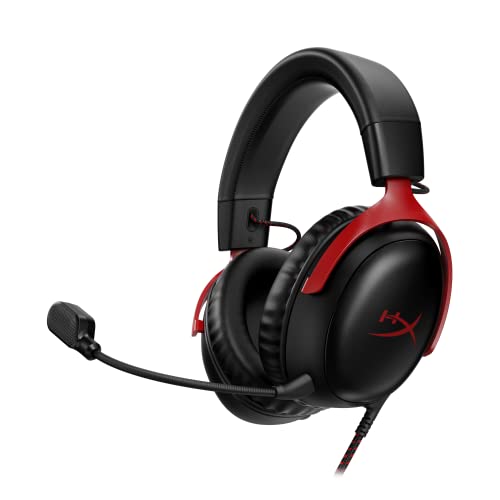
Look for a mic with a cardioid pickup pattern, which focuses on your voice and rejects sounds from the sides and back. A detachable or flexible mic is also a plus, as it allows you to adjust the position for optimal pickup and remove it entirely when you’re playing single-player games. The HyperX Cloud III features an upgraded noise-cancelling mic with a built-in mesh filter for added clarity.
Comfort and Build Quality
Competitive gaming sessions can last for hours, so comfort is paramount. Look for headsets with plush memory foam ear cushions, adjustable headbands, and a lightweight design. You should barely notice you’re wearing them, even during intense matches.
A durable build is also important, as a headset that breaks after a few months is a poor investment. Aluminum frames and reinforced hinges can withstand the wear and tear of daily use, travel, and even the occasional rage quit. If you’re often on the go, you might also want to explore options for wireless Bluetooth gaming headsets for added convenience.
Connectivity and Platform Compatibility
Your headset needs to work seamlessly with your gaming platform of choice, whether that’s PC, PlayStation, Xbox, or Nintendo Switch. Wired headsets with a 3.5mm jack offer broad compatibility, while USB headsets often provide additional features like virtual surround sound. Wireless options, such as those using a 2.4GHz dongle, offer low-latency audio with the freedom of no cables.
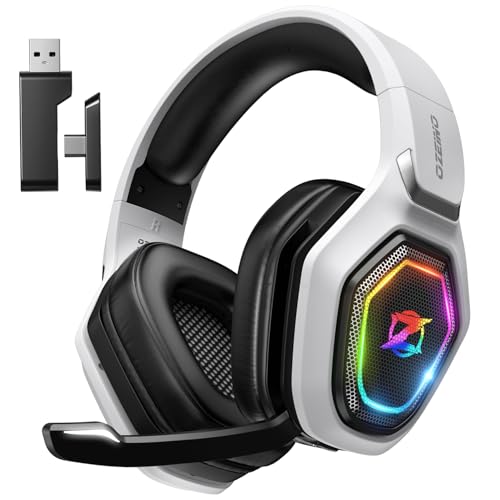
Before you buy, double-check that the headset is compatible with your primary gaming system. Some headsets are specifically designed for one platform, while others offer multi-platform support. For example, the AOC wireless headset uses a USB dongle for low-latency audio on PS5 and PC, but relies on a 3.5mm cable for Xbox. For more on this, you can explore our comprehensive headsets category.
Final Thoughts
Ultimately, the best gaming headset for competitive play is the one that fits your ears, your platform, and your playstyle, and in our assessment, the HyperX Cloud III – Wired Gaming Headset, PC, PS5 stands out as the top overall pick for its exceptional comfort and pinpoint-accurate audio. For those who prioritize a lightweight, tournament-ready design on a budget, the Razer BlackShark V2 X Xbox Gaming Headset is an outstanding choice, delivering excellent sound isolation and a clear mic for under 100 bucks. No matter which you choose, investing in a quality headset is one of the smartest upgrades you can make to elevate your game.
Frequently Asked Questions
What is the best gaming headset for competitive gaming in 2026?
The best headset for competitive gaming in 2026 depends on your platform and budget, but the HyperX Cloud III is a top contender due to its comfortable fit and precise audio. For a more budget-friendly option, the Razer BlackShark V2 X offers excellent sound isolation and a clear mic. Ultimately, you should consider the features that matter most to you, such as wireless freedom or a specific platform compatibility.
Is a wireless headset good for competitive gaming?
Yes, modern wireless headsets offer latency low enough for competitive gaming, with many using a 2.4GHz dongle for a stable connection. The AOC wireless headset, for example, boasts a latency of under 20 milliseconds, which is imperceptible to most players. However, some esports pros still prefer wired for zero chance of interference or battery issues.
Do I need surround sound for competitive gaming?
Surround sound can enhance your spatial awareness, but it’s not strictly necessary if your headset has good directional audio. Many headsets with high-quality 50mm drivers can provide accurate sound positioning without virtual surround. Features like Windows Sonic can also help create a more immersive soundscape, but the most important thing is a headset that accurately reproduces audio cues.
How important is a noise-cancelling microphone for competitive gaming?
It’s very important, as clear communication with your team can be the difference between winning and losing. A noise-cancelling mic filters out background noise, ensuring your callouts are heard clearly. Look for headsets with a cardioid pickup pattern, like the Razer BlackShark V2 X, which helps minimize unwanted sounds.


