If you wear glasses, you know the struggle: after an hour of intense gaming, the pressure from your headset leaves red marks on your temples and your frames feel crooked. The search for a gaming headset that doesn’t fight your eyewear can feel endless. That’s why we’ve reviewed the top options designed with glasses wearers in mind. In this guide, we focus on lightweight builds, generous ear cup padding, and adjustable clamping forces that keep your glasses comfortably in place. Whether you prefer wired reliability or wireless freedom, these picks let you game for hours without discomfort. For more insights on headset features, browse our Headsets category for additional recommendations.


Buying Guide: What to Look for in a Gaming Headset for Glasses
Not every headset treats glasses wearers kindly. To avoid discomfort, focus on these key factors when choosing your next gaming companion.
Ear Cup Design and Padding
The ear cups are the first point of contact with your glasses. Look for deep, spacious cups made from memory foam or breathable fabric. Leatherette can trap heat and create pressure points, while cloth or mesh materials allow airflow and reduce clamping. Over-ear designs that fully enclose your ears without pressing on the arms of your glasses are ideal. The best surround sound gaming headsets often feature plush padding that adapts to your frames.
Weight and Clamp Force
A heavy headset will push your glasses into your skin. Aim for models under 300 grams with adjustable headbands that distribute weight evenly. Low clamp force is essential; you want the headset to stay put without squeezing your temples. Many modern gaming headsets use lightweight materials like plastic or aluminum frames to reduce fatigue during marathon sessions.
Microphone Quality and Flexibility
Clear communication matters whether you’re coordinating in a raid or chatting with friends. A detachable or flip-to-mute boom mic with noise cancellation ensures your voice cuts through background noise. Flexible mics let you position the pickup away from your glasses, preventing accidental rubbing sounds. Some headsets also offer in-line controls for quick mute adjustments.
Connectivity and Platform Support
Consider where you game. Wired headsets with a 3.5mm jack work across PC, PlayStation, Xbox, Nintendo Switch, and mobile devices. Wireless options using 2.4GHz or Bluetooth provide freedom but may limit compatibility. For glasses wearers, wireless can reduce cable tangles that pull on your headset. Check that the headset supports your primary platform out of the box.
Final Thoughts
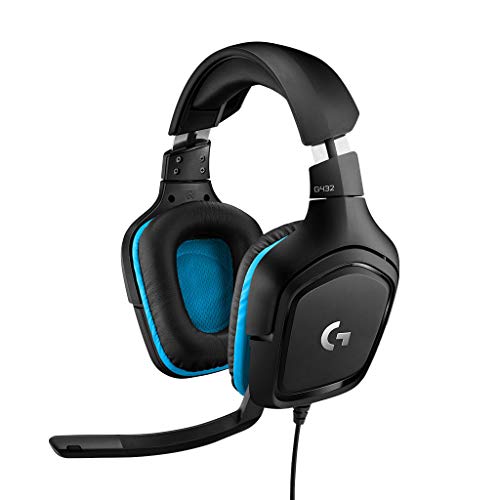
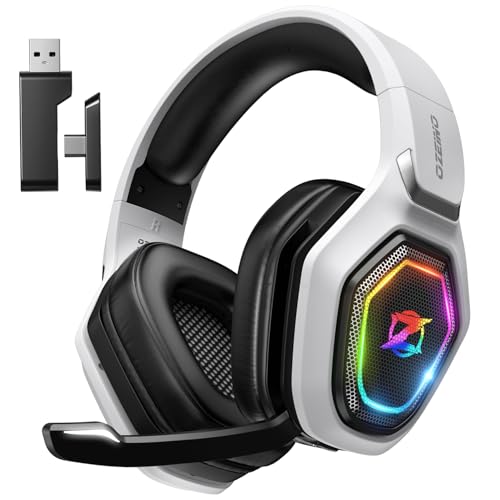
Choosing a gaming headset for glasses doesn’t mean sacrificing audio quality or features. The Logitech G432 Wired Gaming Headset – Black delivers expansive DTS surround sound in a lightweight frame with leatherette ear cups that rotate to relieve pressure, making it a solid budget-friendly choice. If you prefer wireless freedom and marathon battery life, the AOC 2.4GHz Wireless Gaming Headset for PS5, PS4 offers memory foam cushions, a 45-hour battery, and a detachable mic, all while keeping your glasses comfortable during long sessions. Both options prove that you can have immersive audio without the eyewear headache.
Frequently Asked Questions
Are gaming headsets comfortable for glasses wearers?
Yes, many modern headsets are designed with glasses in mind. Look for models with deep ear cups, memory foam padding, and adjustable headbands that reduce clamping force. Breathable fabric ear cushions also help prevent pressure on your frames.
What features should I prioritize in a gaming headset for glasses?
Focus on weight (under 300 grams), ear cup depth, and padding material. Memory foam or cloth cushions are better than stiff leatherette. Also consider headsets with ear cups that can swivel or tilt to accommodate the arms of your glasses.
Can I use a wireless gaming headset with glasses?
Absolutely. Wireless headsets often have lighter builds and fewer cables that might pull on the headset. Just ensure the ear cups are spacious enough to avoid pinching your glasses. Many wireless models in 2026 include adjustable headbands and plush padding for all-day wear.
Do memory foam ear cushions help with glasses?
Yes, memory foam conforms to the shape of your head and glasses, reducing pressure points. It also creates a better seal for sound isolation without squeezing your frames. This makes memory foam a top choice for glasses wearers.