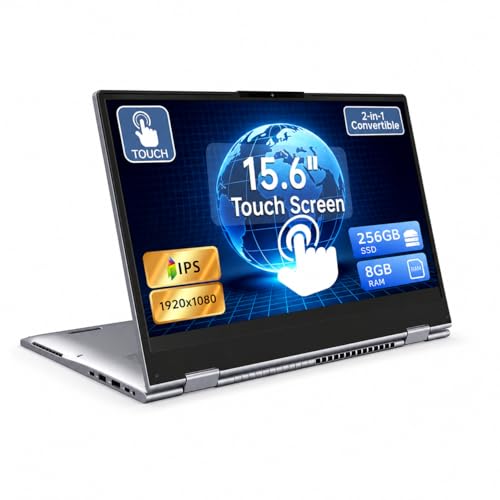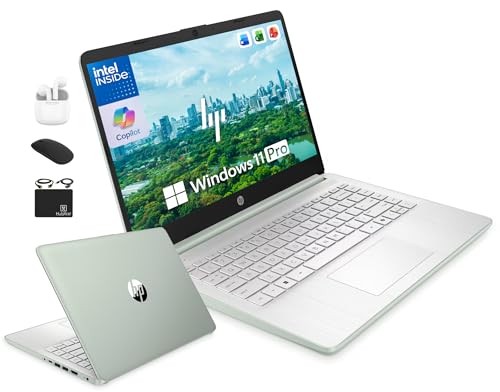
You are a music producer who also loves gaming. You need a laptop that can handle demanding digital audio workstations (DAWs) like Ableton Live or Logic Pro, while also delivering smooth frame rates in your favorite titles. The line between gaming and music production hardware has blurred significantly in recent years. Modern gaming laptops pack the processing power, RAM, and storage that music creators require, plus they offer features like high-refresh-rate displays and robust cooling systems that benefit both workflows. In this guide, we evaluate the best gaming laptops for music production in 2026 and pair them with essential audio peripherals that will transform your setup into a professional-grade studio.
If you are also exploring creative workstations, check out our review of best gaming laptops for 3D modeling in 2026 for insights on high-performance builds.




What to Look for in a Gaming Laptop for Music Production
Choosing the right gaming laptop for music production requires balancing raw performance with audio-specific needs. Below are the key criteria we consider when evaluating these machines.
CPU Performance and Core Count
Music production software relies heavily on single-core speed for real-time effects processing, but multi-core performance matters when running multiple virtual instruments and tracks. A modern Intel Core i7 or AMD Ryzen 7 processor with at least six cores provides the headroom needed for complex projects. Gaming laptops often feature overclockable CPUs, which can give you extra power when rendering audio.
For more on high-performance processors in creative work, see our best gaming laptops for animation guide.
RAM and Storage
Music production is memory-intensive, especially when using sample libraries and large projects. We recommend at least 16GB of RAM, with 32GB being ideal for professional use. Fast NVMe SSDs are essential for quick loading of samples and project files. Gaming laptops typically offer dual-channel memory and multiple storage slots, making upgrades straightforward.
Audio Connectivity and Interface
A dedicated audio interface is still recommended for low-latency recording, but the laptop’s built-in audio hardware matters. Look for laptops with USB-C or Thunderbolt ports for connecting external interfaces, and a headphone jack with high impedance support. Some gaming laptops include Hi-Res Audio certification, which ensures cleaner signal paths for monitoring.
Build Quality and Portability
Music producers often work in multiple locations, so a sturdy yet portable chassis is important. Gaming laptops with metal builds and robust hinges withstand frequent transport. Good thermal design is critical to prevent throttling during long studio sessions. Additionally, a high-resolution display with accurate color reproduction helps when editing visual content alongside audio.
If you value precision in creative tools, explore our best touch screen laptops for artists.
Final Thoughts
Selecting the best gaming laptop for music production in 2026 means prioritizing CPU power, ample RAM, and versatile connectivity, then complementing it with high-quality peripherals. For closed-back monitoring during recording, the OneOdio A70 Bluetooth Over-Ear Headphones offer excellent isolation and a balanced sound signature. If you need a reliable microphone for vocals or podcasts, the FIFINE T669 Studio Condenser USB Microphone delivers clear capture with a plug-and-play design. Pair these with a capable gaming laptop, and you will have a studio that handles both your music projects and gaming sessions with ease.
Frequently Asked Questions
Can a gaming laptop handle music production software?
Yes, modern gaming laptops are more than capable of running professional DAWs, virtual instruments, and effects. Their high-performance CPUs, ample RAM, and fast storage make them suitable for projects with dozens of tracks and plugins. Just ensure you choose a model with a dedicated GPU only if you also game or use GPU-accelerated audio processing.
What specs are most important for music production on a gaming laptop?
The processor and RAM are the top priorities. A fast multi-core CPU (like Intel Core i7 or AMD Ryzen 7) and at least 16GB of RAM will handle most projects. A high-speed SSD is also critical for loading samples quickly. Audio connectivity, such as USB-C and a quality headphone jack, matters for external interfaces.
Do I need an external audio interface with a gaming laptop?
For professional recording and low-latency monitoring, an external audio interface is highly recommended. Gaming laptop built-in audio circuits are often optimized for gaming, not for clean recording. An interface like those from Focusrite or Behringer provides balanced inputs and outputs, better preamps, and reliable drivers.
Are gaming laptops good for recording vocals?
Yes, but you will need a quality microphone and an audio interface to achieve studio-grade results. Gaming laptops themselves do not have superior microphone inputs, but their processing power can run real-time vocal effects and pitch correction without latency. Pairing a laptop with a condenser microphone like the FIFINE T669 ensures clear vocal captures.