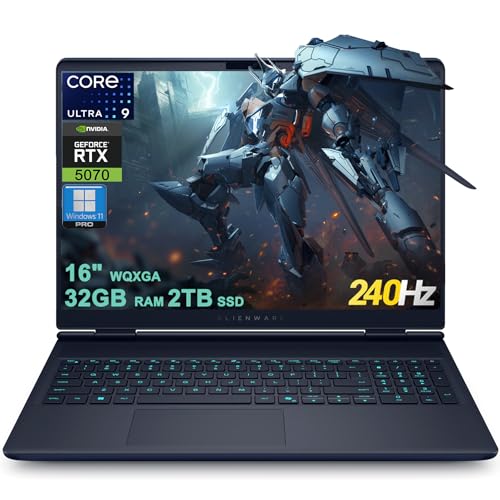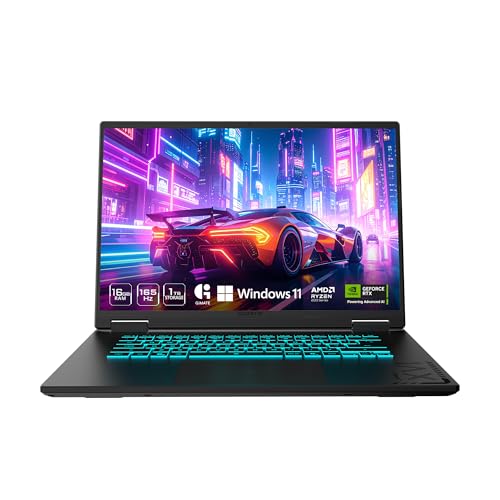
You have a full schedule of classes, meetings, or trips, but you still crave a proper gaming session at the end of the day. The problem? Most high-performance gaming laptops are heavy, bulky, and drain battery fast. That is where the focus on portability changes everything. In this guide, we review seven gaming laptops that prioritize mobility without sacrificing real gaming power. From ultra-slim designs to long-lasting batteries, these machines let you game anywhere. We also cover key buying criteria so you can choose the perfect travel-ready rig. If you are exploring other portable options, check out our roundup of top razer gaming laptops for 2026 for another premium perspective.




Buying Guide: What to Look for in a Portable Gaming Laptop
Weight and Build Quality
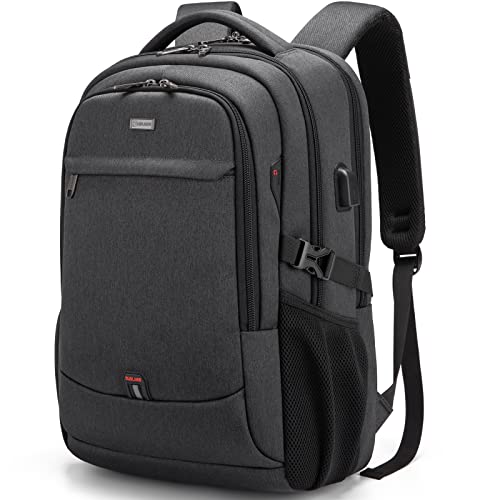
When you carry your laptop daily, every ounce matters. Look for models under 5 pounds with sturdy yet lightweight materials like magnesium alloy or reinforced plastic. A slim profile also fits easier in backpacks. For commuting, you might also want a reliable commuter laptop backpack that protects your gear.
Battery Life Under Load
Portable gaming laptops should offer at least 6 hours of mixed use and hold up during shorter gaming sessions away from an outlet. High‑capacity batteries (like 7000 mAh in some models) and efficient processors (such as AMD Ryzen 7 or Intel Core Ultra) extend runtime. Look for smart power management features.
Display Size and Resolution
A 15‑ to 16‑inch display is the sweet spot for portability: big enough for immersive gaming, small enough to fit in most bags. Full HD (1920×1080) is standard, but higher resolutions like 2.5K offer sharper visuals. High refresh rates (144 Hz or more) keep gameplay smooth. For work and study, you can also explore office laptop backpacks to organize your gear.
Performance vs. Portability Trade‑offs
You do not always need the most powerful GPU for portable gaming. Mid‑range GPUs like the NVIDIA GeForce RTX 5060 deliver excellent frame rates while generating less heat and consuming less power. Paired with efficient CPUs (AMD Ryzen 7 or Intel Core Ultra), these laptops strike a great balance. For a deeper look at other brands, see our guide on best Gigabyte gaming laptops.
Final Thoughts
After reviewing these seven portable gaming laptops, two stand out for different needs. If you want top-tier graphics and a stunning display for both gaming and creative work, the ASUS ROG Strix G16 (2025) Gaming Laptop offers a 2.5K 240Hz screen, RTX 5070 Ti GPU, and a powerful Intel Core Ultra 9 processor in a relatively slim chassis. For a more budget‑friendly yet highly capable travel companion, the Acer Nitro V 16S AI Gaming Laptop pairs an AMD Ryzen 7 with an RTX 5060, a 16‑inch 180Hz display, and 32GB of RAM to handle modern games and multitasking on the go. Whichever you choose, these laptops prove that portability and performance can coexist beautifully.
Frequently Asked Questions
What makes a gaming laptop truly portable?
A portable gaming laptop weighs under 5 pounds, has a slim profile (under 1 inch thick), and offers at least 6 hours of battery life for light use. Features like a smaller adapter and durable build also matter. For daily carrying, pair it with a laptop backpack designed for daily use to keep everything organized.
Can I game on a portable gaming laptop without an outlet?
Yes, but expect reduced performance. Laptops automatically lower power draw on battery to extend runtime. Most models can handle lighter games like “Fortnite” or “League of Legends” for 2 to 3 hours. For AAA titles, you will want to plug in for full performance.
Are 18‑inch gaming laptops too big for travel?
Generally, 18‑inch models are less portable due to size and weight. However, some ultra‑thin designs like the KAIGERR 18.5‑inch manage to keep bulk down. If you primarily game at home but occasionally travel, a 15 to 16‑inch laptop is the better balance. For a wide selection, visit our laptops category.
How much RAM do I need for portable gaming in 2026?
16GB is the minimum for smooth gaming and multitasking. For future‑proofing and heavier workloads (like streaming or video editing), 32GB is recommended. Most gaming laptops now come with DDR5 RAM, which offers faster speeds and better efficiency.