

You’re ready to take your gaming to the next level by going live. But streaming demands more than just a fast rig—it needs a laptop that can run modern titles while encoding video, managing chat, and keeping everything stable for hours. The best gaming laptops for streaming combine a powerful processor, a dedicated graphics card, ample RAM, and efficient cooling so you don’t drop frames or lose audio sync. Whether you’re a beginner or a seasoned broadcaster, we’ve reviewed six products that cover the full spectrum, from full gaming laptops to essential streaming peripherals like microphones and webcams. If you’re exploring options, check out our laptops category for more guides.



Buying Guide
Processor and GPU for Multitasking
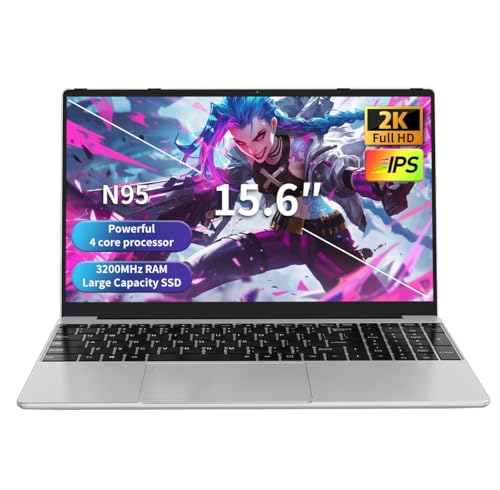
Streaming while gaming requires simultaneous encoding. Look for a laptop with at least an Intel Core i5 or AMD Ryzen 5 paired with a dedicated NVIDIA GeForce RTX GPU. The RTX 50 series cards, like the RTX 5050 or RTX 5060, support DLSS 4 AI and improve ray tracing without sacrificing stream quality. For budget setups, the Intel N95 can handle light streaming and older titles. For deeper advice on balancing cost and power, see our best gaming laptops under $1000 guide.
RAM and Storage for Streaming Software
Streaming applications like OBS Studio eat up memory. Aim for 16GB of RAM as a baseline; 32GB is better for multitasking with video editing or multiple browser tabs. A fast SSD (512GB or more) ensures quick boot times and smooth recording. Some models allow RAM upgrades, which can extend the laptop’s useful life. If you’re on a tight budget, check out best gaming laptops for budget buyers for affordable options with upgrade potential.
Display Quality and Refresh Rate
A high refresh rate display (120Hz or higher) makes gameplay feel fluid, which also benefits your stream’s perceived quality. Full HD (1920×1080) is standard, but a 165Hz panel like the one on the Acer Nitro V reduces motion blur. For professional streaming, a 16:10 aspect ratio offers extra vertical space for chat overlays. Battery life often trades off with performance, so read our best gaming laptops with good battery life guide if portability matters.
Cooling System for Extended Sessions
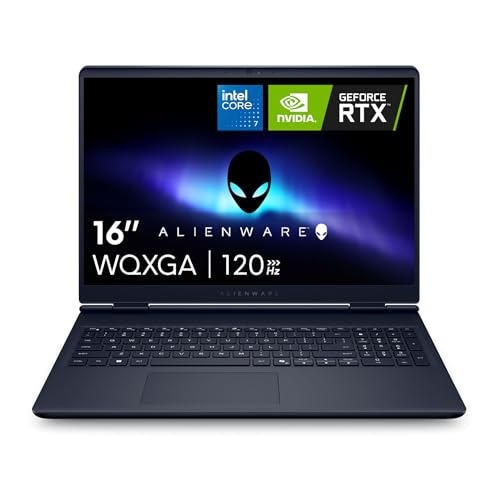
Streaming marathons generate heat. Look for laptops with dual fans, multiple heat pipes, and vented chassis. Alienware’s Cryo-Chamber design focuses airflow on core components, while the Acer Nitro V uses a dual-fan setup. Adequate cooling prevents thermal throttling that can drop frame rates mid-stream. For more insights on thermal performance, see our related post on gaming laptop cooling.
Final Thoughts
Choosing the right gaming laptop for streaming comes down to your priorities. If you want uncompromising power for the latest titles and smooth 4K encoding, the Alienware 16 Aurora Gaming Laptop with its RTX 5060 and Intel Core 7 delivers top-tier performance and advanced cooling. For those who need a reliable workhorse without breaking the bank, the acer Nitro V Gaming Laptop, 15.6″ FHD IPS Display offers a strong Intel i5, RTX 5050, and a 165Hz screen at a more accessible price. Pair either with a quality microphone and webcam from this list to complete your streaming setup.
Frequently Asked Questions
What specs do I need for streaming in 2026?
For smooth streaming at 1080p, you need at least an Intel Core i5 or AMD Ryzen 5, 16GB of RAM, and a dedicated GPU like the NVIDIA GeForce RTX 5050 or better. A fast SSD and a 120Hz+ display also help maintain quality. For budget builds, the Intel N95 can handle light streaming with careful settings.
Can I use a webcam and microphone with any gaming laptop?
Yes, most gaming laptops have USB ports and a headphone jack. For better audio, consider a USB/XLR dynamic microphone like the FIFINE AmpliGame AM8. For video, a 1080p webcam such as the NBPOWER or Xweiryn models plug in via USB and work with all major streaming software.
Is a high refresh rate important for streaming?
A high refresh rate (120Hz or more) makes your gameplay look smoother on your end, which can improve your stream’s perceived fluidity. However, your stream’s output frame rate is usually capped at 60fps, so the main benefit is a better personal gaming experience. For competitive titles, it’s still worth investing in a 165Hz panel.
Should I get a laptop with a dedicated GPU for streaming?
Yes, a dedicated GPU is highly recommended. Integrated graphics can struggle to encode video while running a game. NVIDIA’s NVENC encoder offloads streaming to the GPU, reducing CPU load and improving performance. Laptops with RTX 5050 or higher are ideal.


