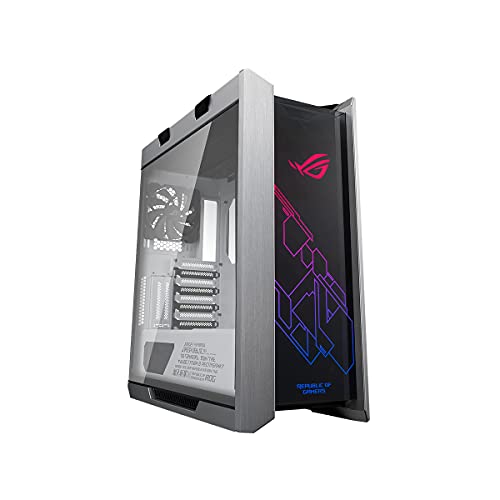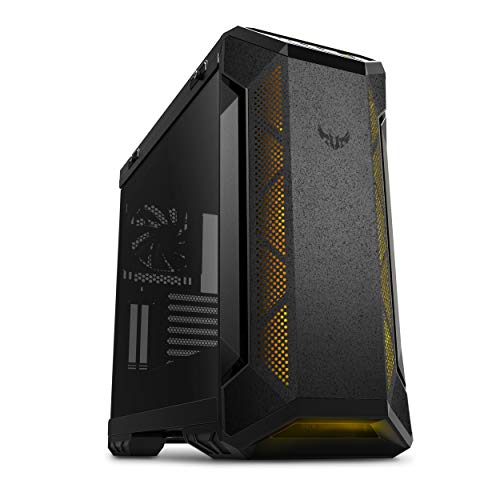
You’ve finally saved up for that high-end graphics card, but your current PC case is a relic from a bygone era, with poor airflow that turns your gaming sessions into a sauna. The fans are loud, the cable management is a nightmare, and the side panel is scratched beyond belief. It’s time for an upgrade, and the right case can transform your entire computing experience.
This guide cuts through the noise to present the best gaming pc cases of 2026. We’ve evaluated a range of models, from budget-friendly mid-towers to premium showpieces, focusing on airflow, build quality, and features that matter. Whether you’re a first-time builder or a seasoned enthusiast, our curated list will help you find a case that fits your hardware and your personal style.


Buying Guide
Cooling and Airflow Design
The single most important factor in a gaming PC case is how well it can dissipate heat. A case with a solid front panel might look sleek, but it can choke your components. Look for cases with mesh front panels or multiple fan mounting points that allow for a steady flow of cool air in and hot air out.
Consider how many fans come pre-installed and whether they offer PWM control for quiet, efficient operation. Cases like the CORSAIR 4000D RS ARGB excel with their high-airflow Y-pattern mesh design, while the MUSETEX K2 comes with an impressive array of seven PWM ARGB fans right out of the box, ensuring excellent cooling performance without extra purchases.
Motherboard and Hardware Compatibility
Before you fall in love with a case’s looks, ensure it can house your components. Check the maximum GPU length, CPU cooler height, and radiator support. If you’re planning a custom water-cooling loop, you’ll need a case with ample space for radiators and pumps.
Most modern cases support ATX and Micro-ATX, but if you have an EATX motherboard, look for a case that explicitly states compatibility. For example, the Lian Li V100 supports back-connect motherboards, which is a growing trend for cleaner cable routing. Also, think about your storage needs; ensure there are enough 2.5-inch and 3.5-inch drive bays for your SSDs and HDDs.
Build Quality and Aesthetics
The materials and construction of a case determine its longevity and overall feel. Steel is durable and cost-effective, while aluminum is lighter and often found in premium cases. Tempered glass side panels have become standard, offering a clear view of your components, but they can be heavy and prone to fingerprints.
Your case’s aesthetics should reflect your personal style. The Fractal Design North stands out with its unique walnut wood front, adding a touch of Scandinavian sophistication to any setup. Other cases like the CORSAIR 3500X offer a panoramic glass design for an unobstructed view of your RGB internals, making your build the centerpiece of your desk.
Final Thoughts
Choosing the right case is a personal decision that balances performance, style, and budget. For those seeking a feature-packed case with outstanding value, the MUSETEX ATX PC Case 7 PWM ARGB Fans Pre-Installed is a fantastic choice, while those prioritizing understated elegance and premium materials will love the Fractal Design North Charcoal Black Tempered Glass. No matter which you pick, a well-chosen case will keep your hardware cool and your space looking sharp for years to come.
Frequently Asked Questions
How many fans do I need in a gaming PC case?
For most gaming builds, we recommend a minimum of three fans: two front intakes and one rear exhaust. This creates positive air pressure, which helps reduce dust buildup. If you have a high-end CPU and GPU, consider a case that supports additional top-mounted fans for even better cooling.
What is the difference between a mid-tower and a full-tower case?
Mid-tower cases are the most popular size, offering a good balance between component support and physical footprint. They typically fit ATX motherboards and most GPUs currently on the market. Full-tower cases are larger, providing more room for EATX motherboards, multiple radiators, and drive cages, but they take up significantly more desk or floor space.
Can I use a liquid cooler in a case that only comes with air fans?
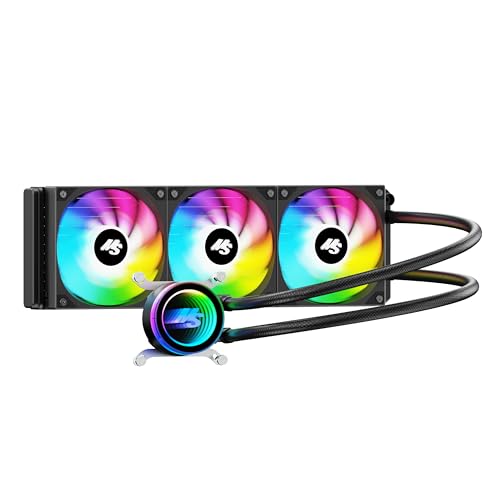
Yes, absolutely. Most modern gaming cases include mounting points for liquid coolers, even if they aren’t pre-installed. Always check the case’s specifications for radiator support (e.g., 240mm, 280mm, or 360mm) and where they can be mounted, such as the top, front, or side. For more tips, you can explore our blog for building guides.
Are tempered glass side panels safe?
Yes, tempered glass is designed to be shatter-resistant and is much stronger than standard glass. However, it can break if subjected to a sharp impact or extreme pressure. When handling a glass side panel, always hold it by the edges and place it on a soft, flat surface to avoid any accidents.